

I love an old building with proper history – something grittier than a fine country house (they have their place, but “working” buildings have more interesting stories). Beaumaris Gaol on the Isle of Anglesey in North Wales didn’t function as a jail for very long, but it still has some interesting tales and well-preserved features to make a interesting visit.

The jail was built in 1829 and closed in 1878 when the government decided to manage jails centrally instead of through local councils. It was then used as a police station until the 1950s when it became a children’s clinic until finally being turned into a museum in 1974.
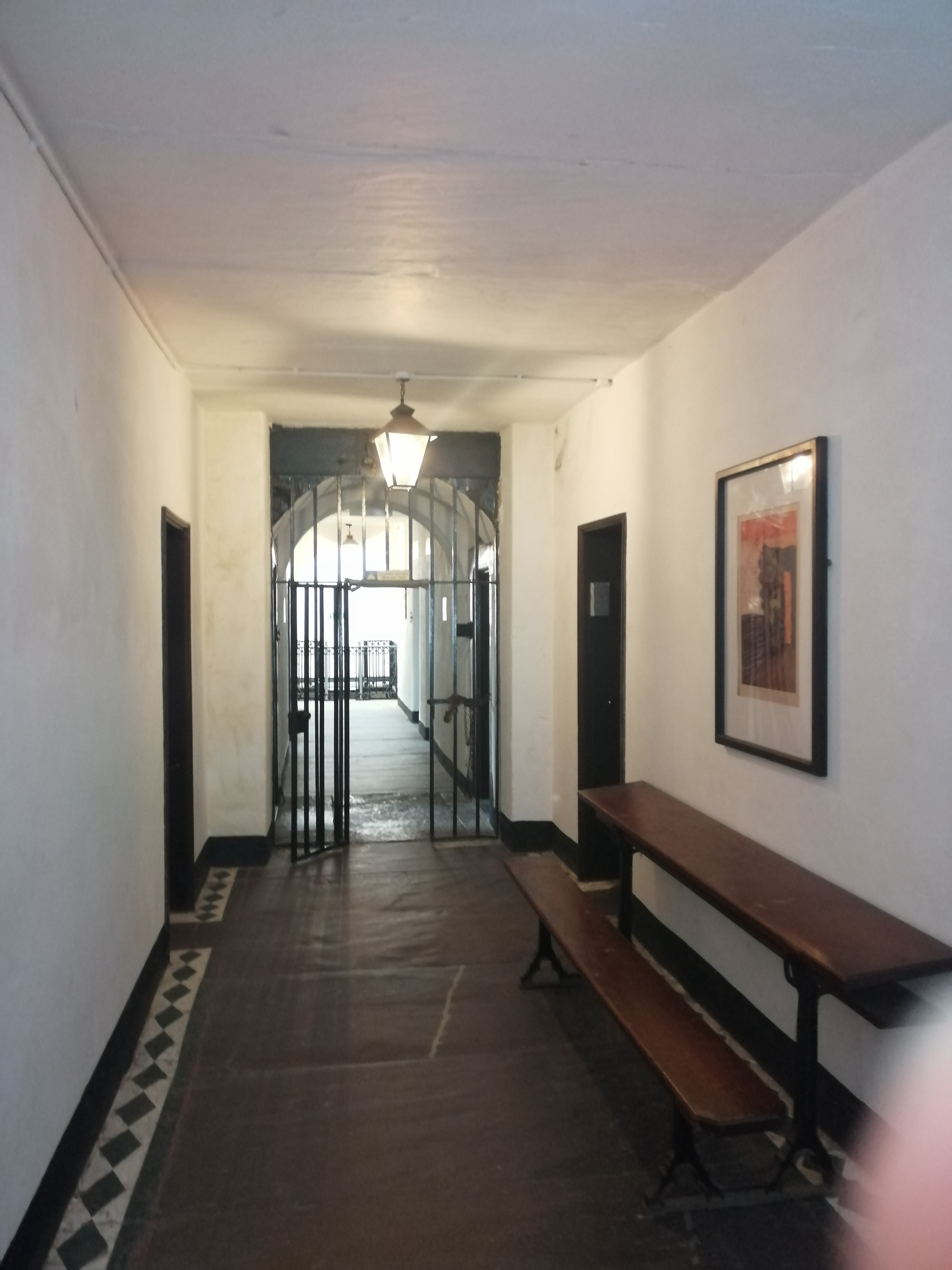
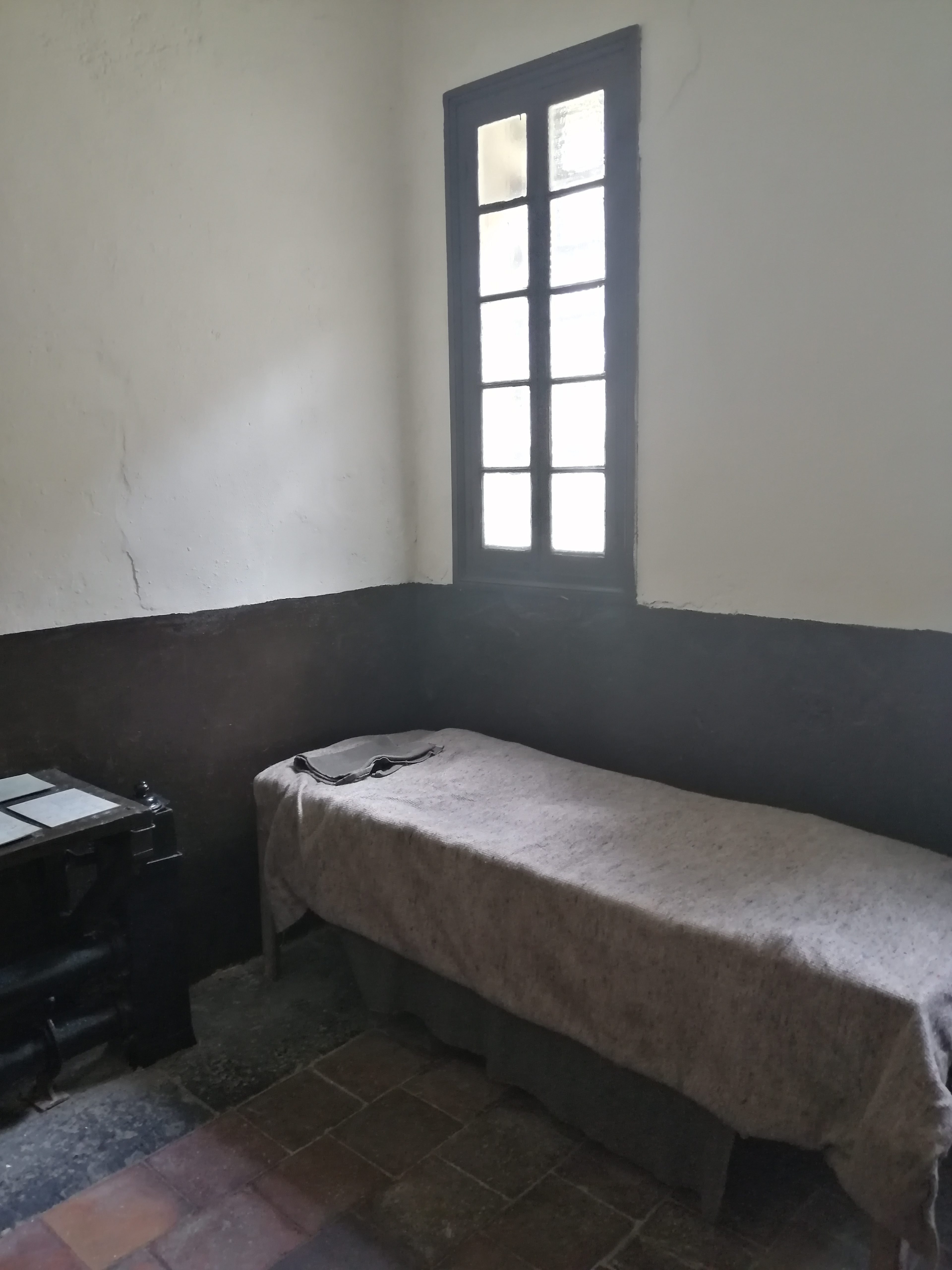
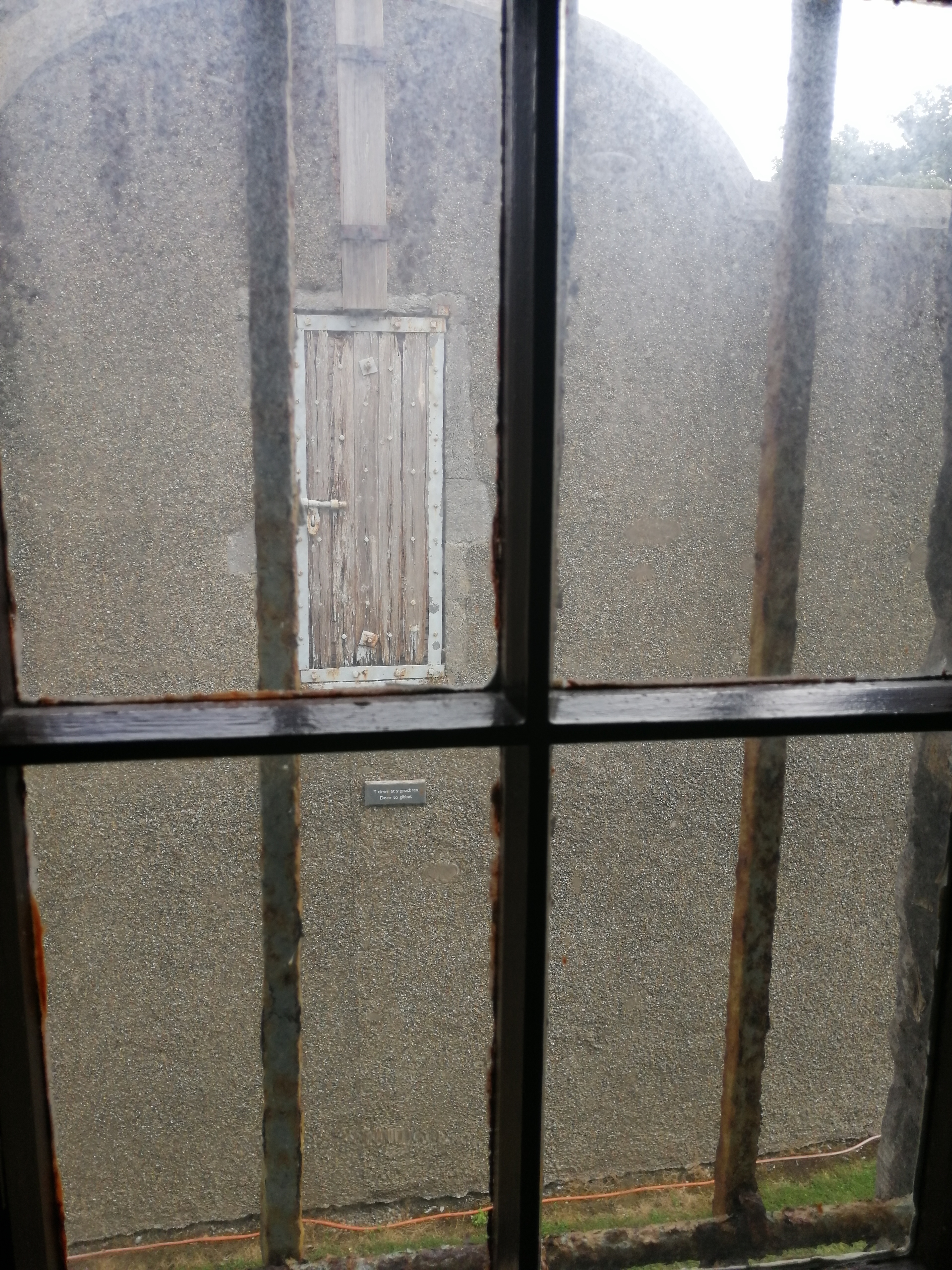
Though conditions were harsh, compared to previous jails, facilities were positively luxurious, with individual cells each with a toilet and wash basin. The mandate to provide small but regular meals meant some offenders left having put on weight. That’s how difficult conditions outside the jail could be. In fact, many people were imprisoned for crimes committed merely to sustain themselves like stealing food or clothes. The jail housed men and women – and even children should the women be pregnant or nursing infants.
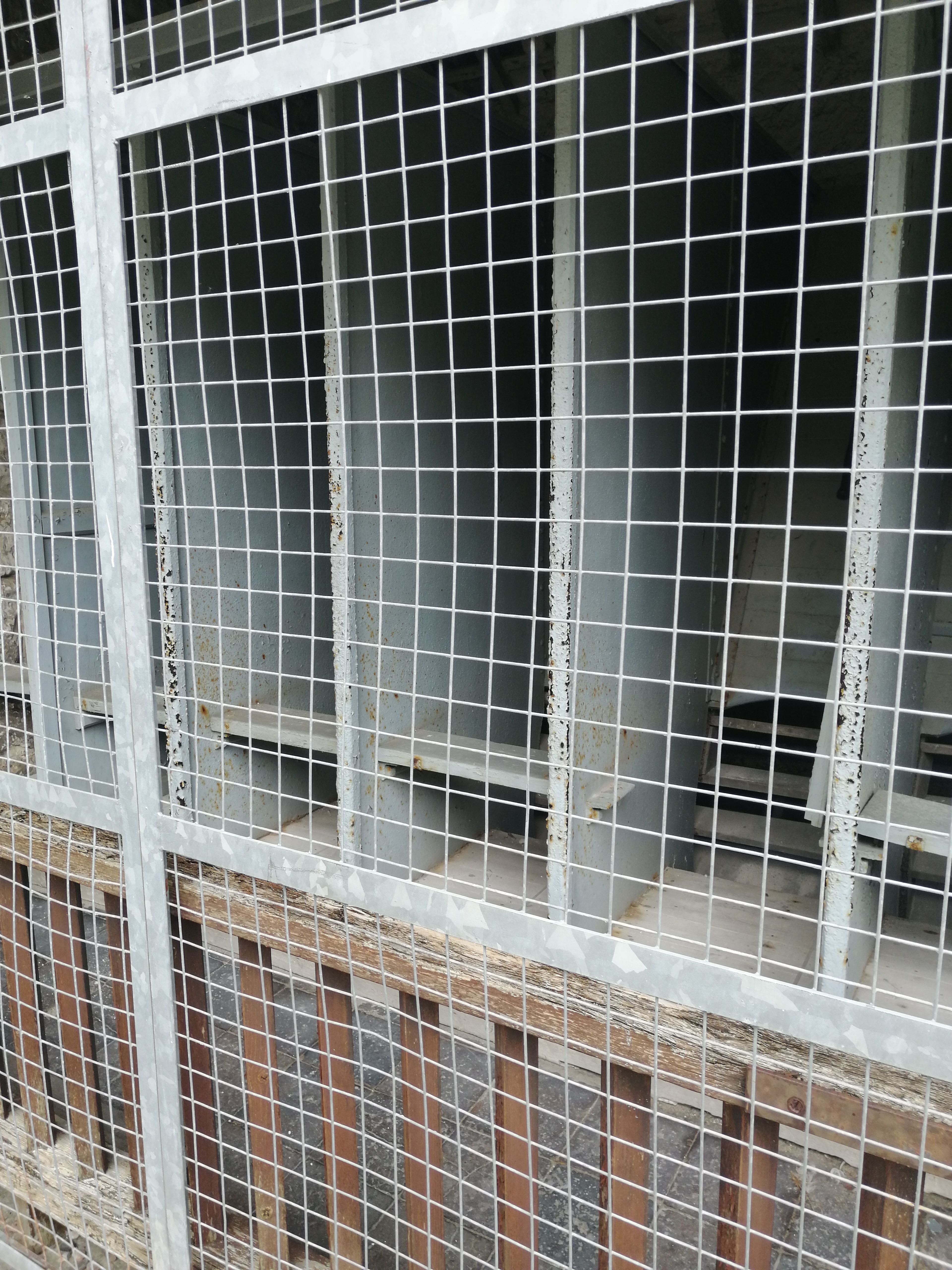
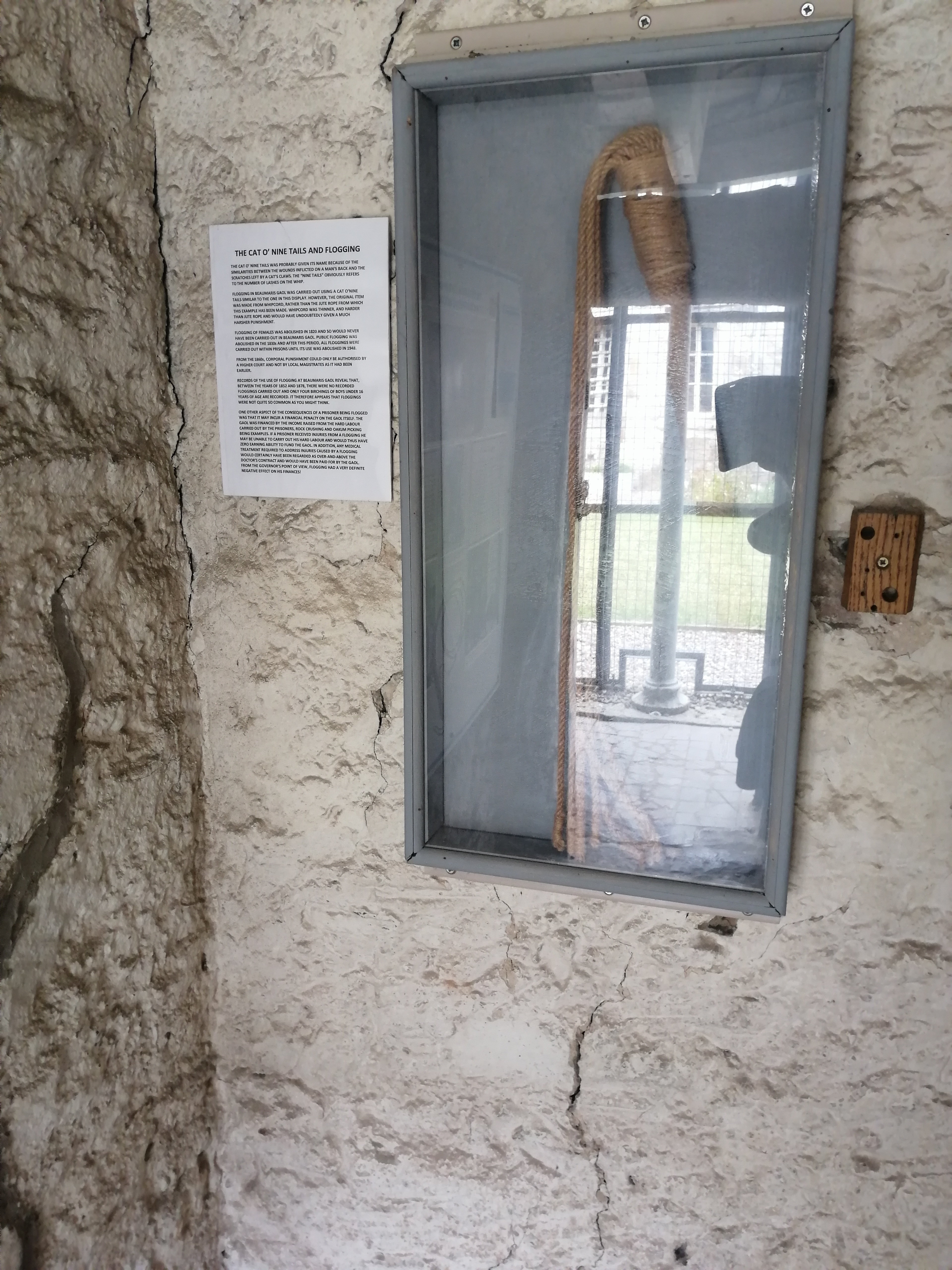
But it was still a jail and contained the kind of cruelties you might expect at that time. The original treadmill (above) remains where it was originally used. Each day prisoners would take turns to walk on it. In fact, it’s estimated that a man walking on it would climb approximately two-thirds of the way up Mount Everest each day. Flogging was a regular punishment – as was the horrific isolation cell.

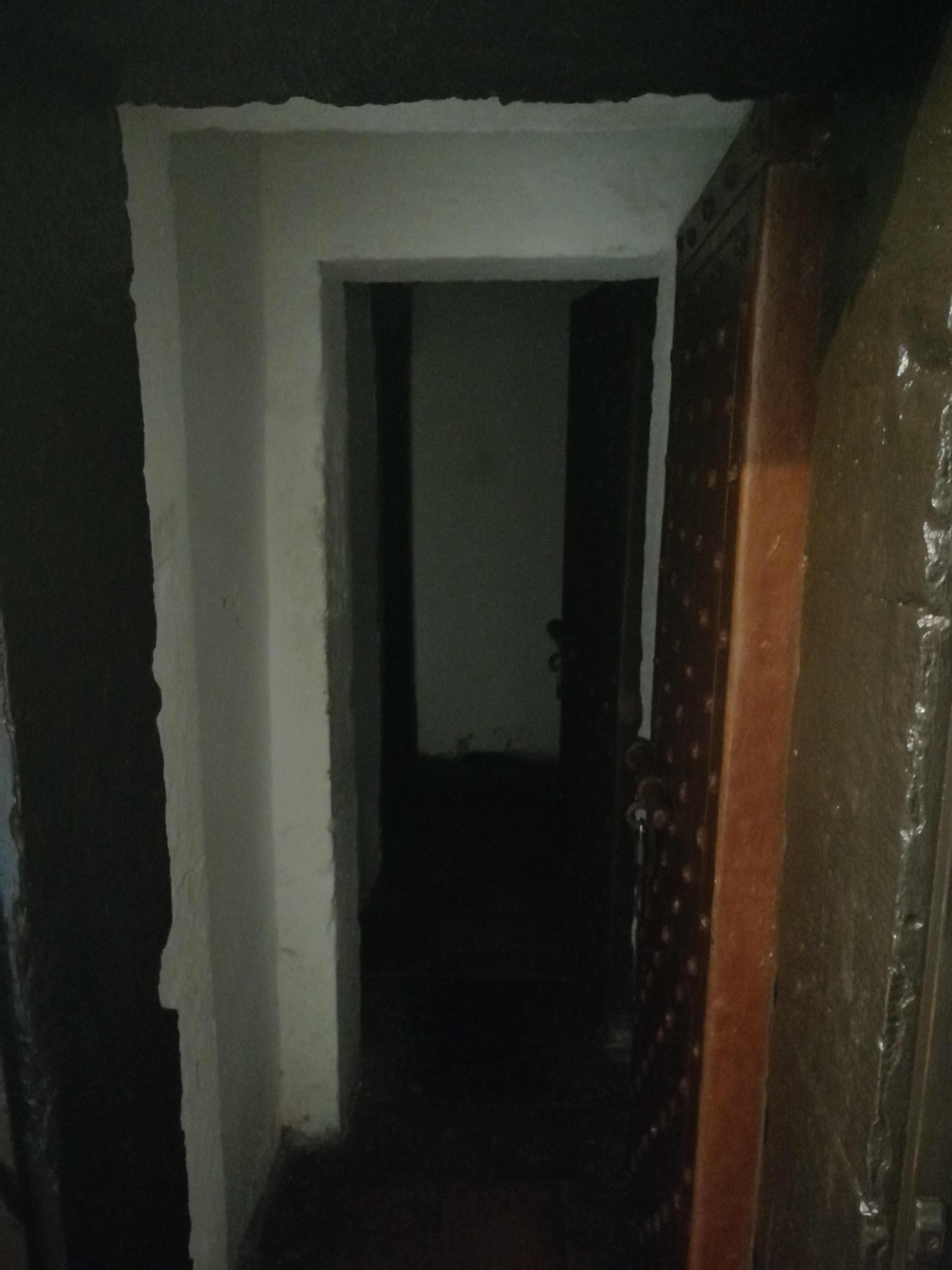
Positioned behind three doors and devoid of any light, people could be held for up to three days. I barely lasted a minute even with the door open. I can only imagine the effect it had on inmates.
And for the worst of crimes, there were executions. The gallows was positioned on the wall outside of the jail so the local populace could witness them, with a walkway leading from the prison across to the door in the wall. This has now gone but the door – and condemned cell – remain.
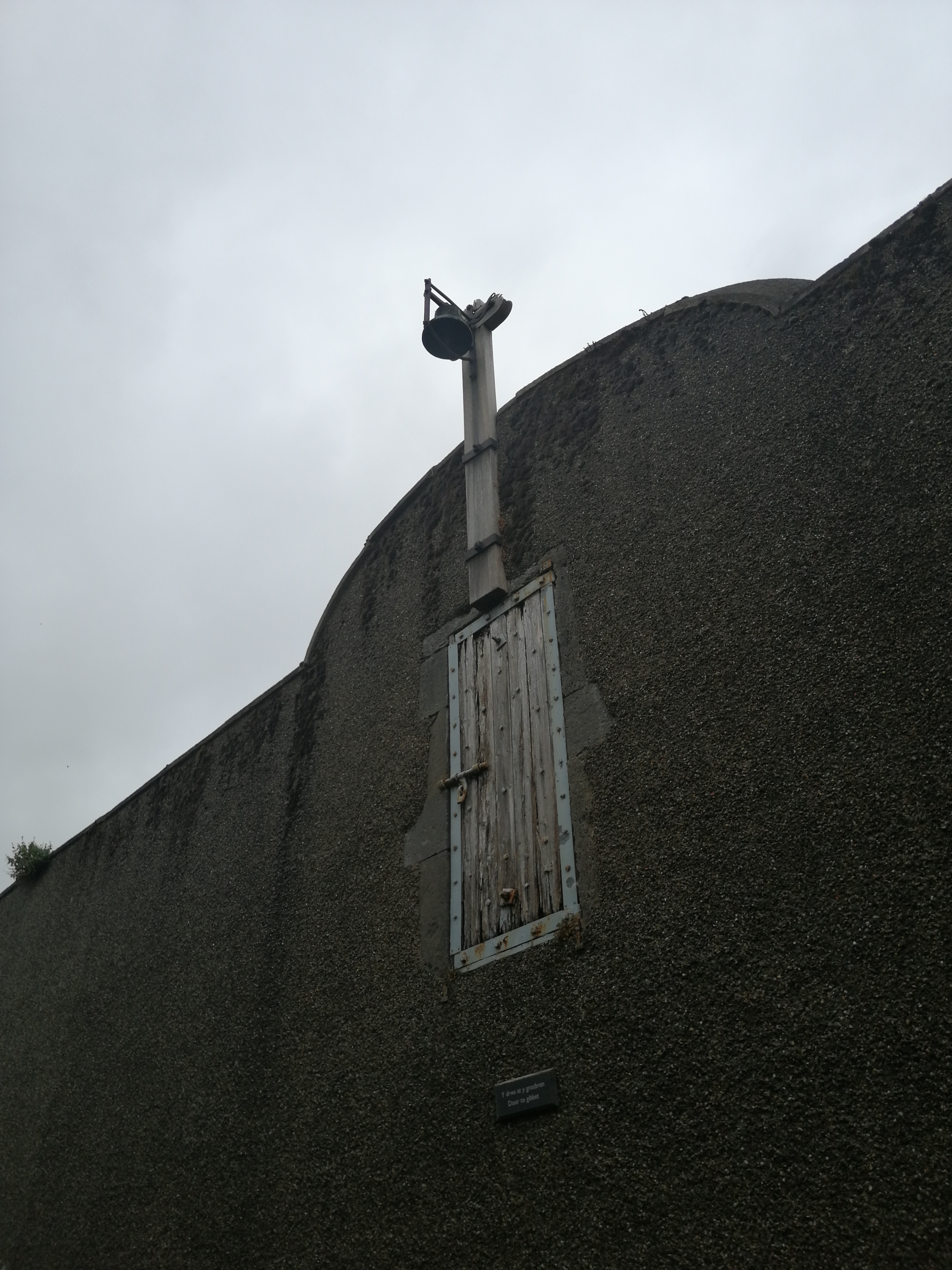
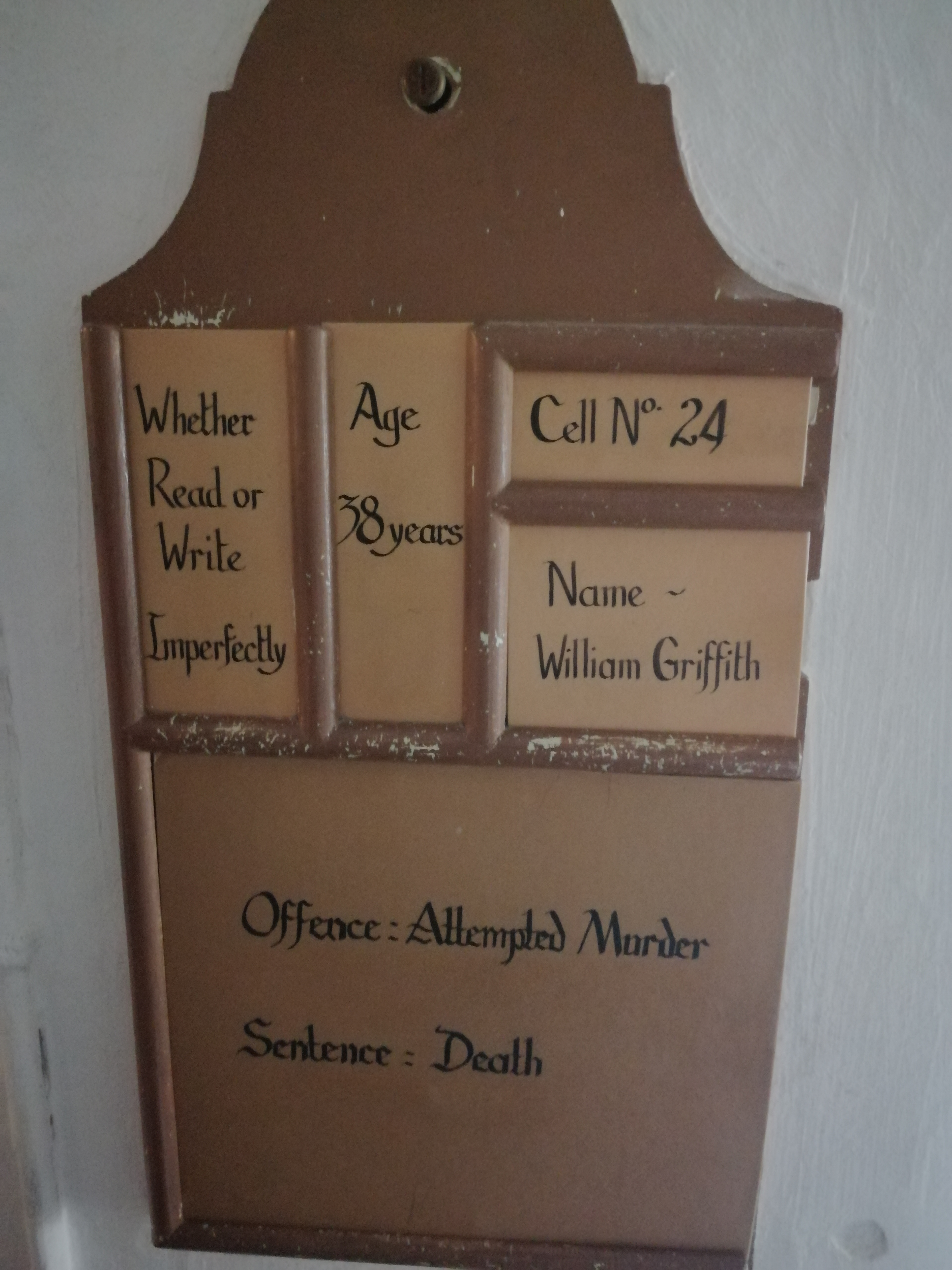
Only two people were ever hanged at the jail. The first was William Griffith in 1830. Griffith was a notorious gang member and bigamist who tried to murder one of his wives in a horrific fashion. When his time came, he barricaded himself in the condemned cell and had to be dragged out.
The second man in 1862 was Richard Rowlands, convicted of murdering his father-in-law on the alleged appearance of some blood on his face. He protested his innocence to the end but approached death in a much more dignified fashion than Griffith.
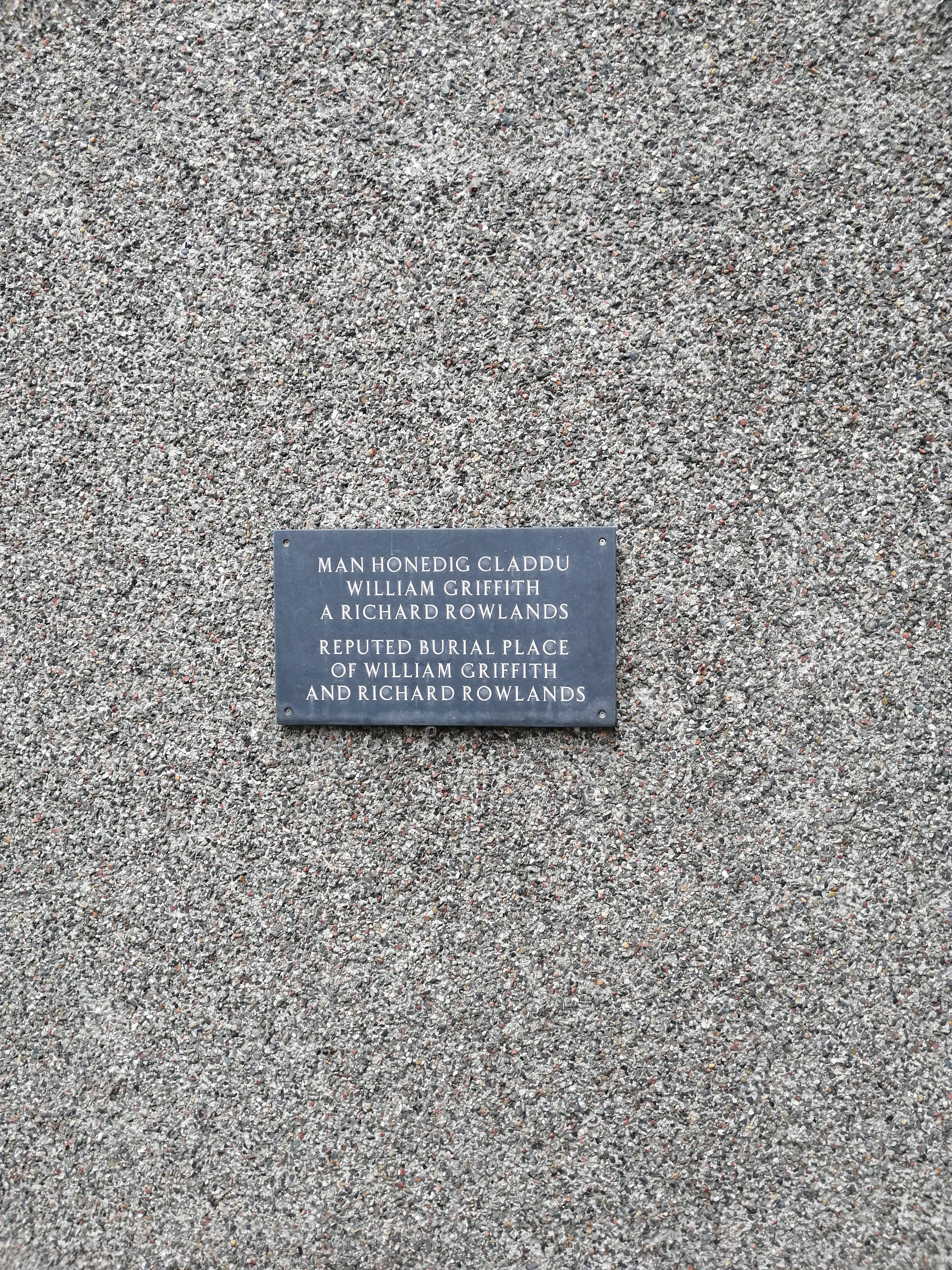
The remains of both men were buried, as was the custom, in the walls of the jail. It is believed the location is marked by a tube of metal found in recent times and a plaque now displays their final resting place.
The jail is a fascinating place to visit and definitely provides a lot of food for thought. The stories of those who lived and died there show in vivid fashion how hard life could be in the fast-changing industrial era. If you need some inspiration I highly recommend a visit.
What do you think? Share your thoughts in the comments.


 Wordland
Oh Gosh! – That looks grim.
LikeLiked by 1 person