
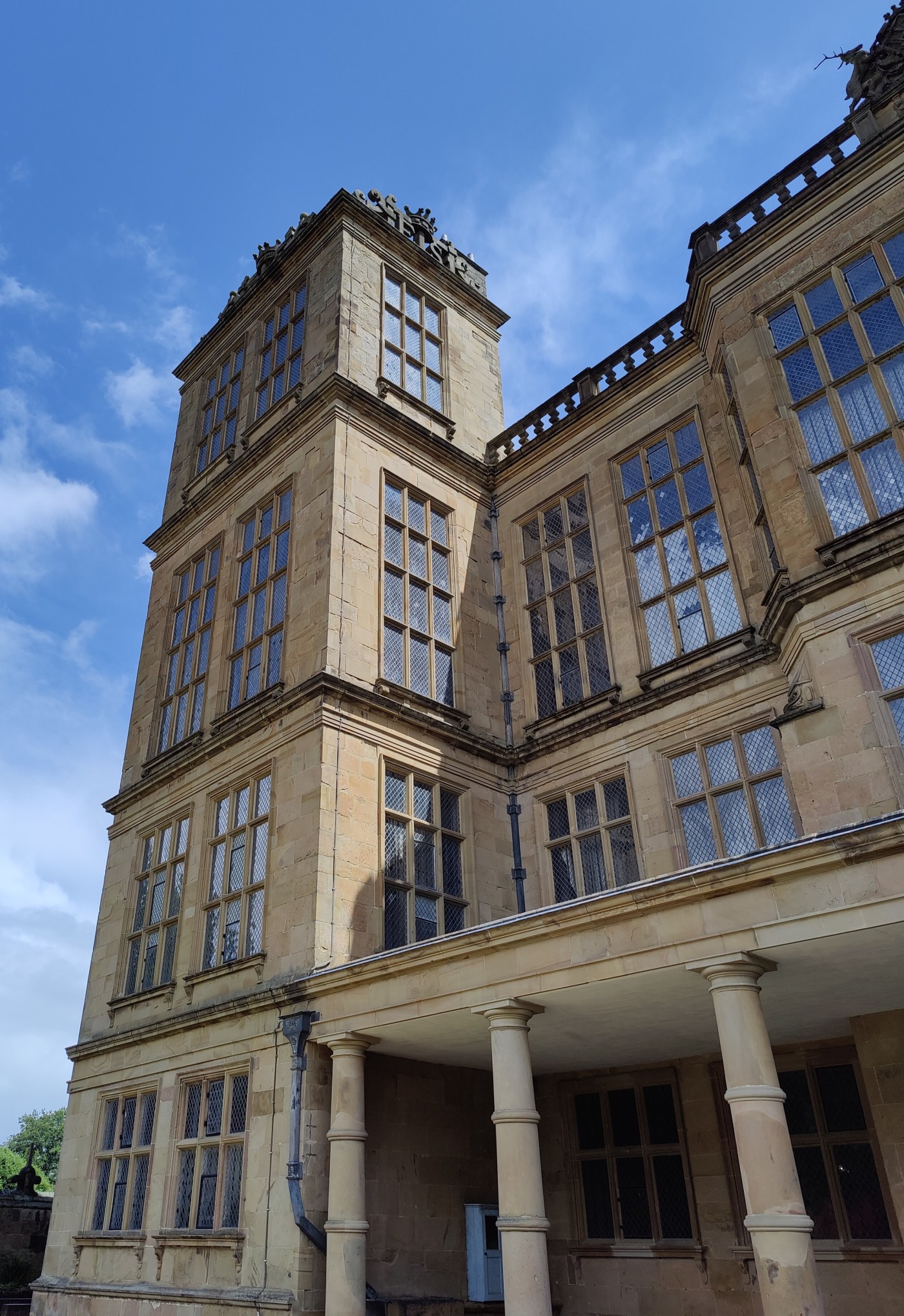
Hardwick Hall in Derbyshire is one of the grandest and most fascinating houses the National Trust have to offer. It was the home of Elizabeth “Bess” of Hardwick, who became one of the richest women in England, second only in wealth and power to Elizabeth II herself.
Bess was born on the Hardwick estate about 1527, to respectable, but not wealthy, gentleman farmers, who lived in a small manor house where the Old Hall is now located. Her fortune was the result of her four, increasingly beneficial, marriages. At that time, being a wealthy widow was the only way a woman could have some semblance of power and independence – bar being the Queen of course.
Husband number one was Bess’ cousin, Robert Barlow, whom she married in 1543. But Robert died just a few months later, leaving her with a widows income. Husband number two was William Cavendish, an older, extremely rich government servant, whom Bess married in 1547. They had eight children and when William died ten years later, he left a large portion of his property to Bess.
On to husband number three. Bess married Sir William St Loe in 1559. He was from a well-established family and, as a wedding gift, Queen Elizabeth made Bess a Lady of the Privy Chamber. Now she not only had money, but power as well. And again when William died in 1564–5, he left most of his property to Bess – much to his family’s annoyance.
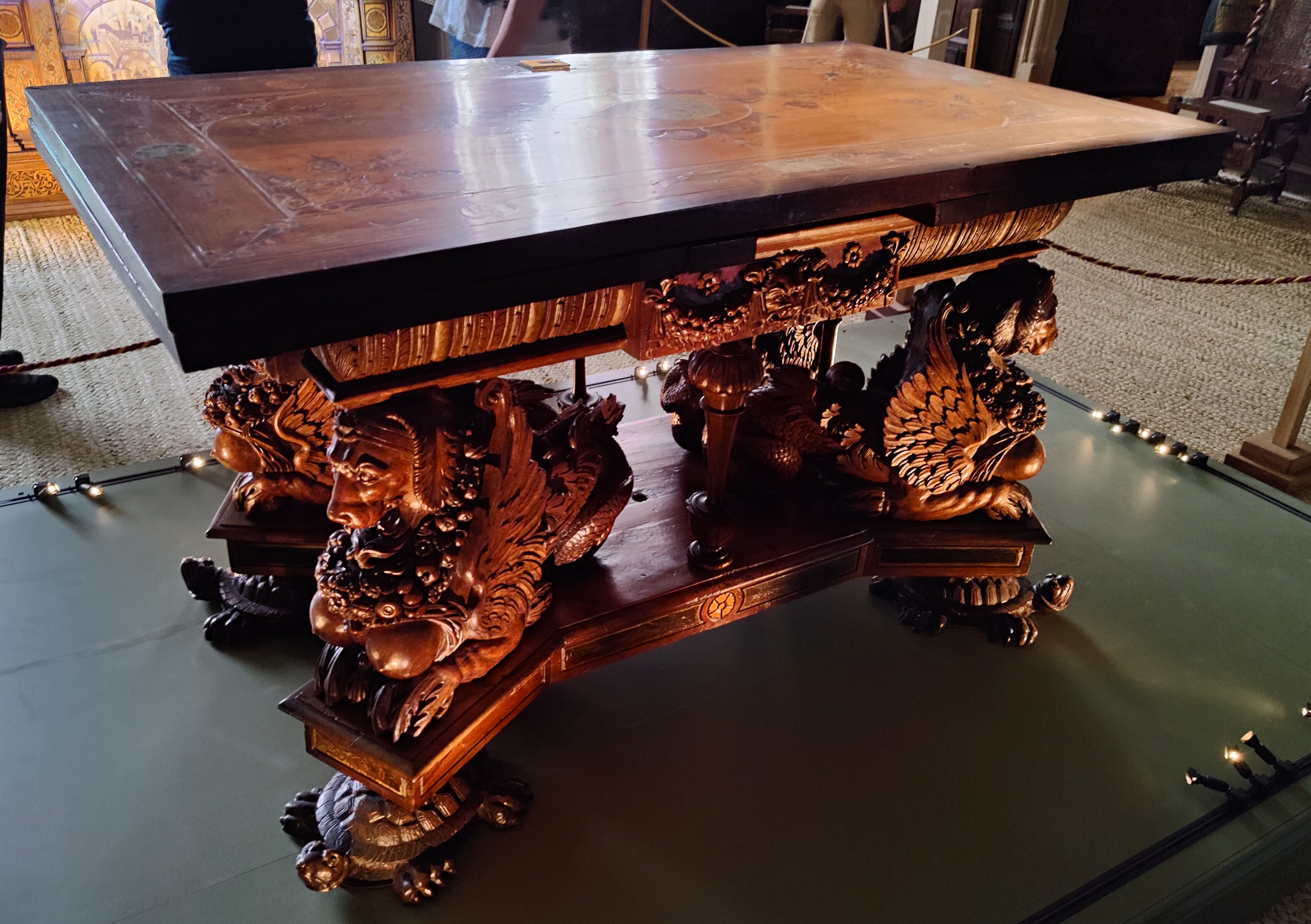
Her fourth and final marriage was in 1567 to George Talbot, 6th Earl of Shrewsbury. George was the head of one of the richest families in England. Around the same time, the families became even more intertwined when Bess’s youngest daughter, Mary, married George’s second son, Gilbert, and Bess’s eldest son, Henry, married George’s daughter, Grace.
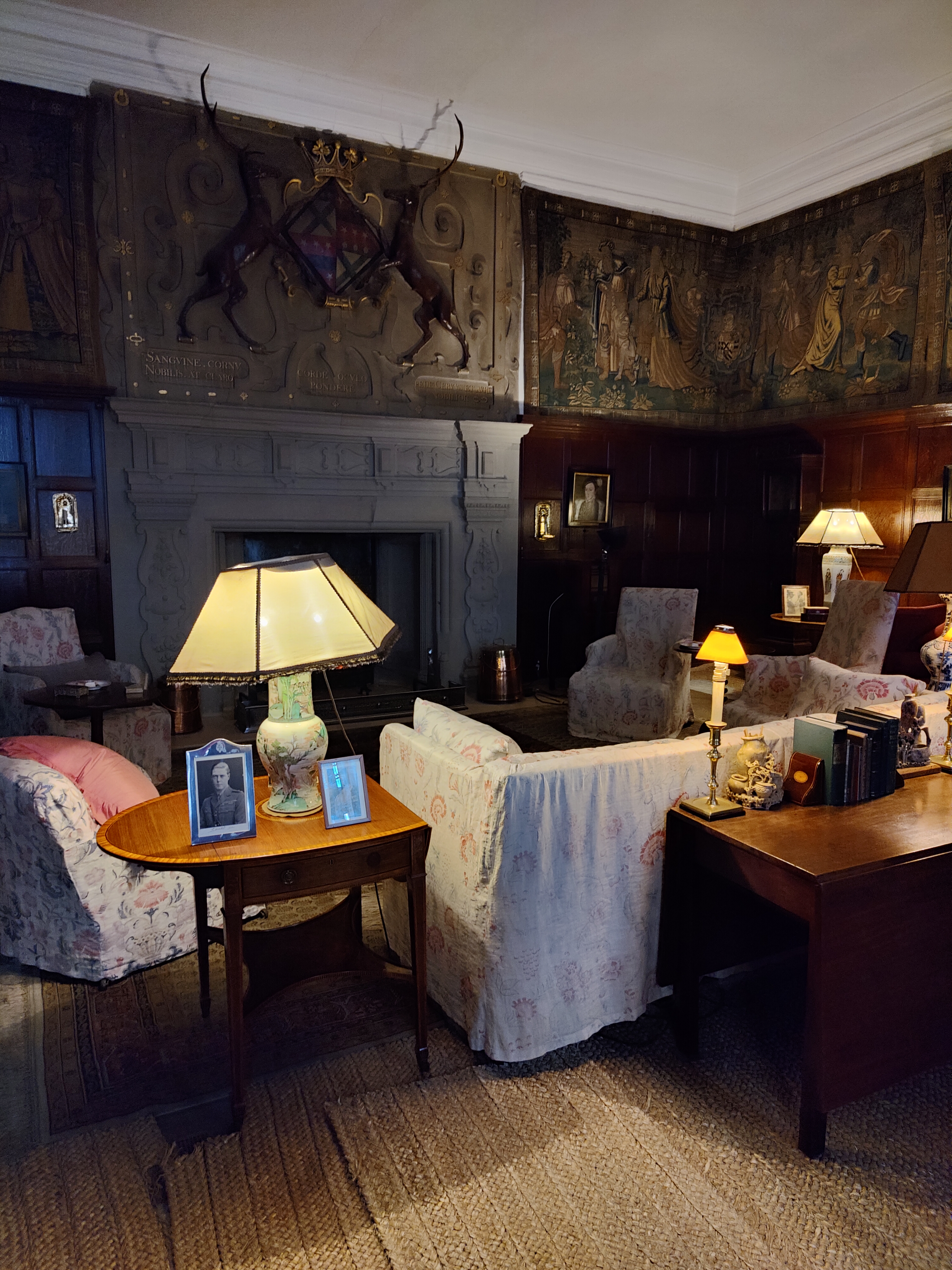
This final marriage was tumultuous. The Shrewsbury’s spent many years guarding Mary, Queen of Scots, at Queen Elizabeth’s behest, at great expense and stress to the couple. Eventually, George took armed guards to remove Bess from her home at Chatsworth and Bess moved back to her childhood home at Hardwick. Here, she began to extend the modest manor house into a more suitable home for her and her family. This later became known as the Old Hall, a ruin which stands near to Hardwick Hall.
George died in 1591 and Bess’s large inheritance meant she could start building her New Hall, known as Hardwick Hall today. The house is vast and dominant, with huge, incredibly expensive windows – leading Robert Cecil, 1st Earl of Salisbury, to comment: ‘Hardwick Hall? More window than wall’.
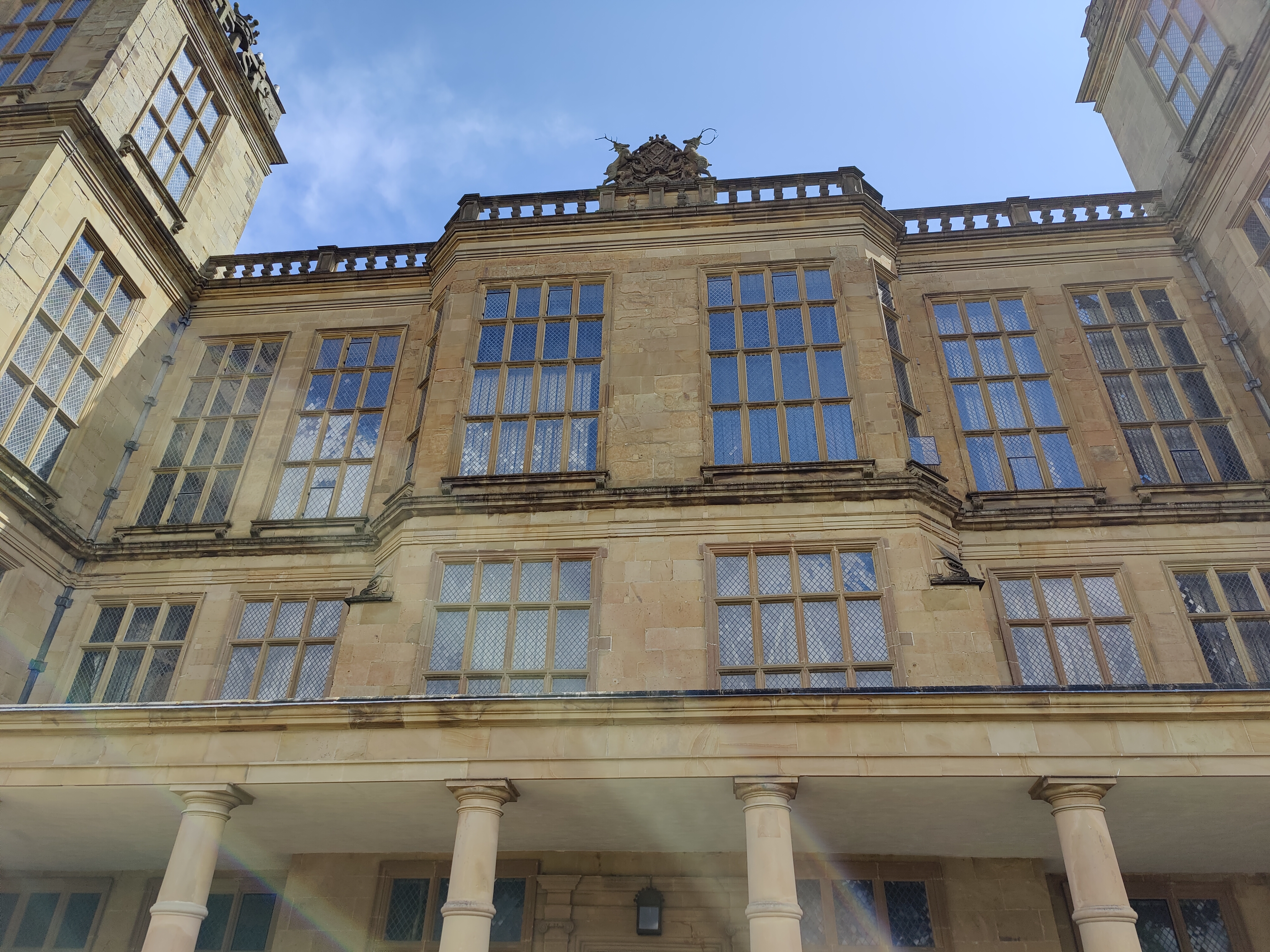
After Bess died, the house remained in her family, until 1958 when it was handed over to the National Trust by the 11th Duke of Devonshire in lieu of death duties after the death of his father.
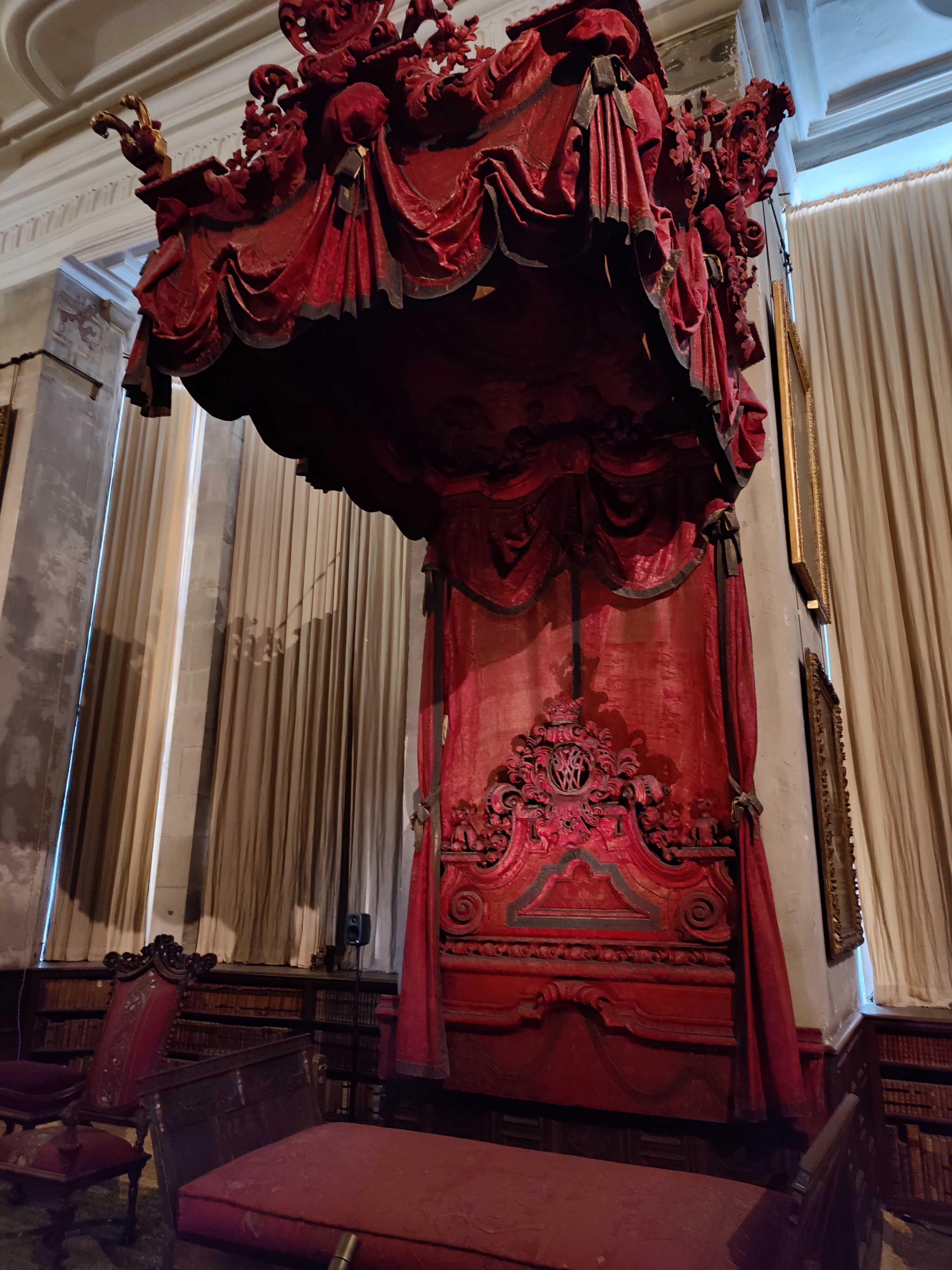
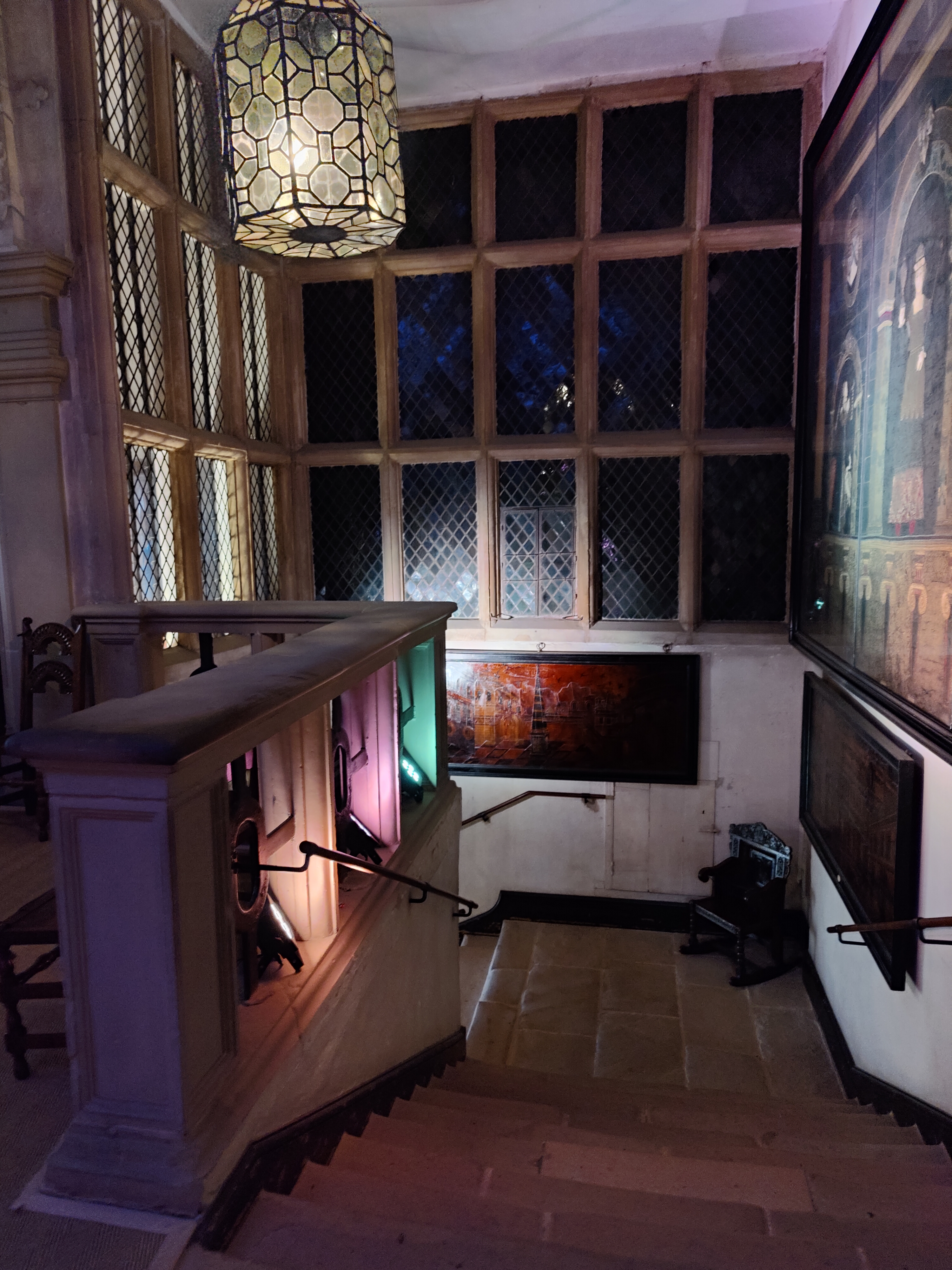
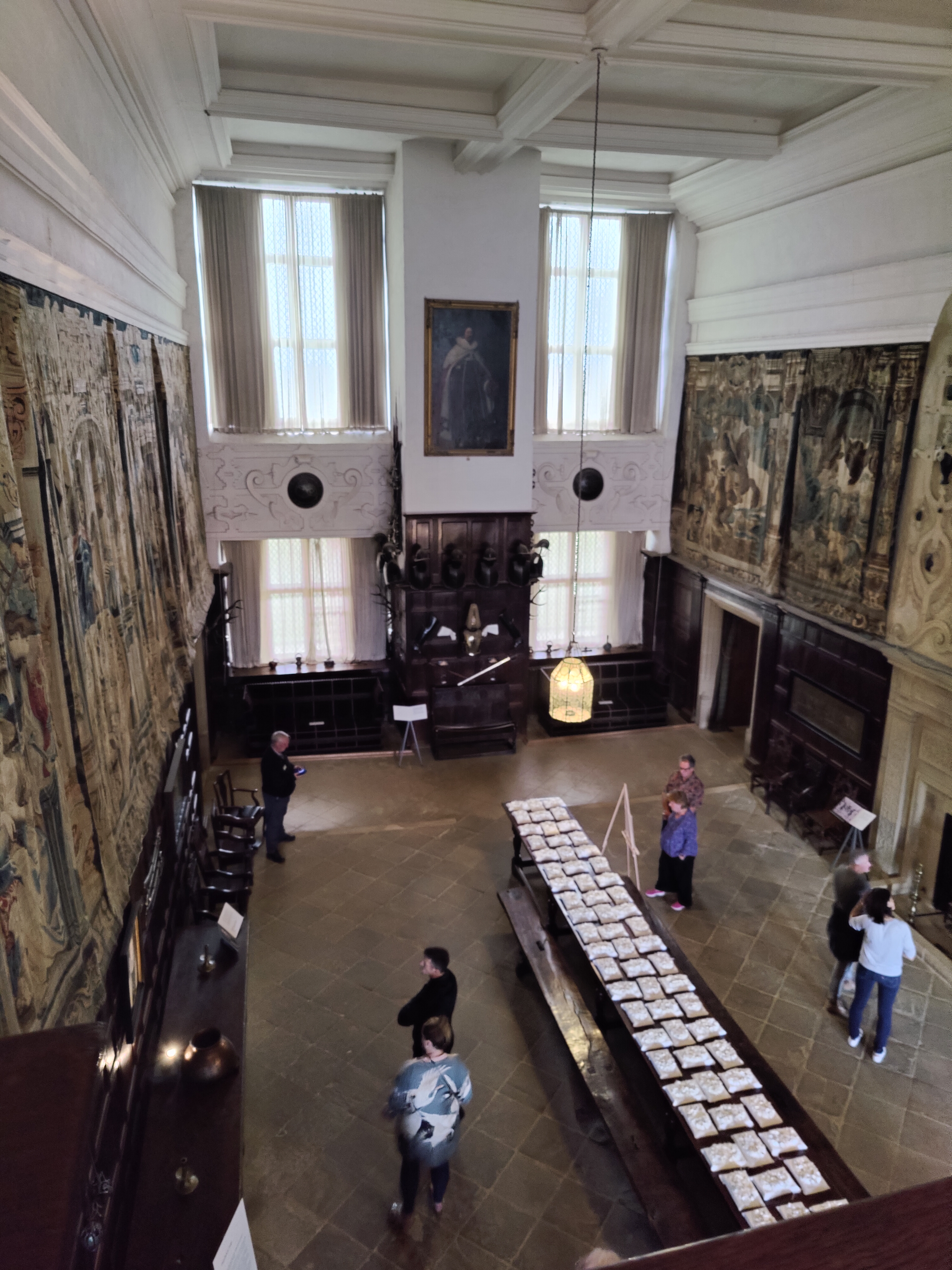
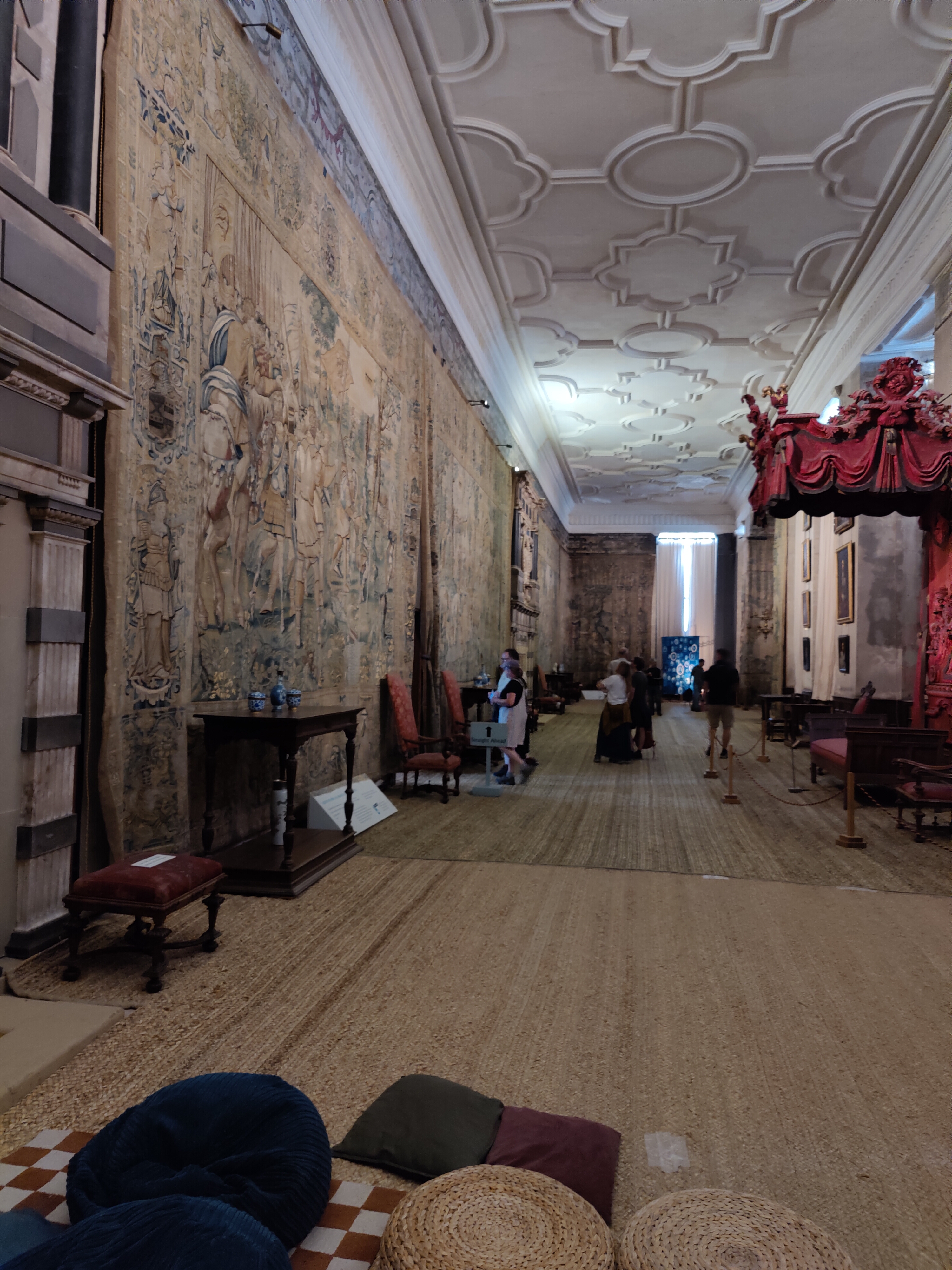
The house is a stunning place to visit, especially the great chamber, with it’s vast hanging tapestries and earthy rush mats. Despite its size, it actually felt like a very relaxing, comfortable place, with bean bags you could sink into in dim light, and soothing music. In fact a lot of the house is closed to natural light to preserve the interior which gives it a certain depth and ambience.
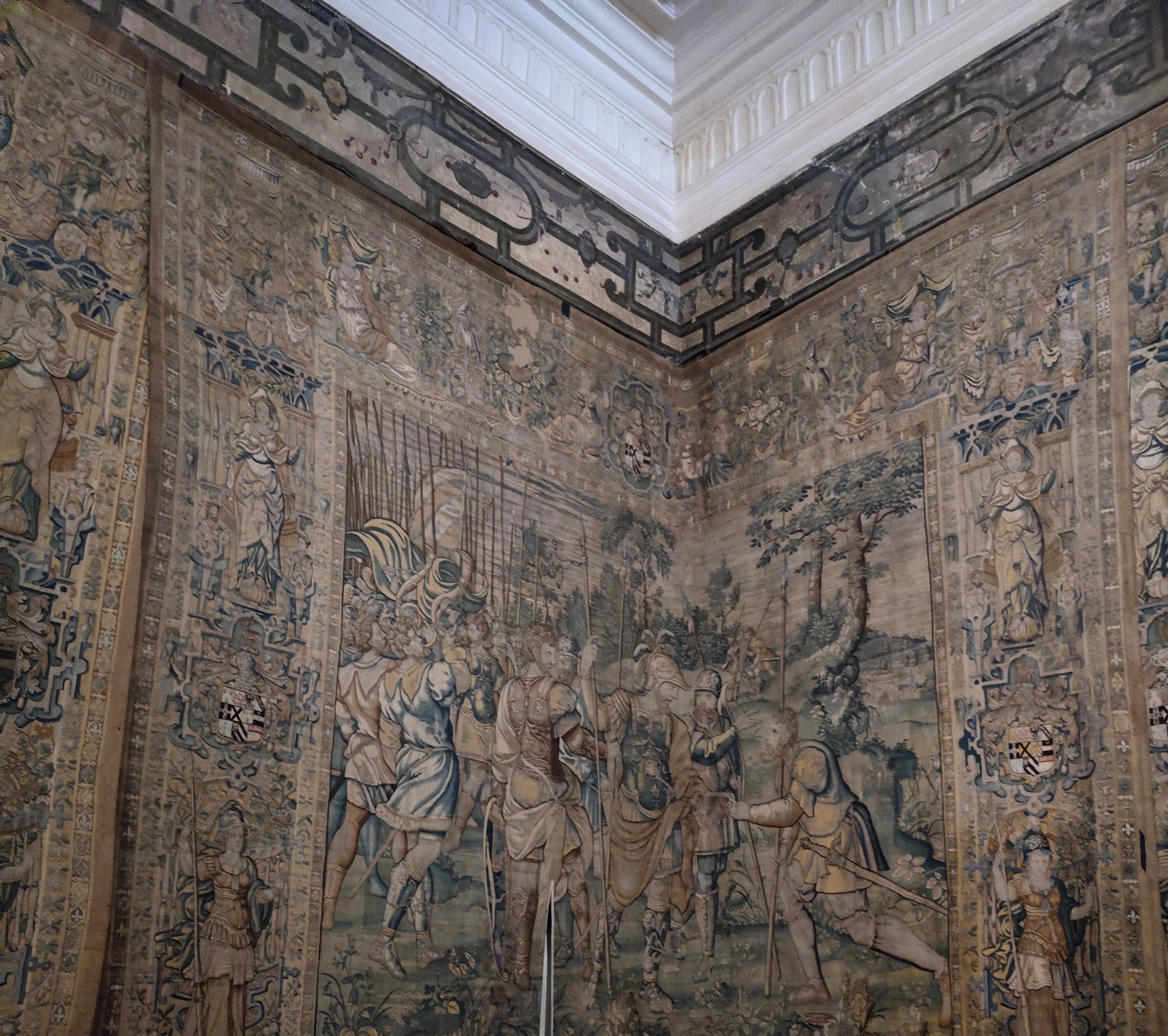
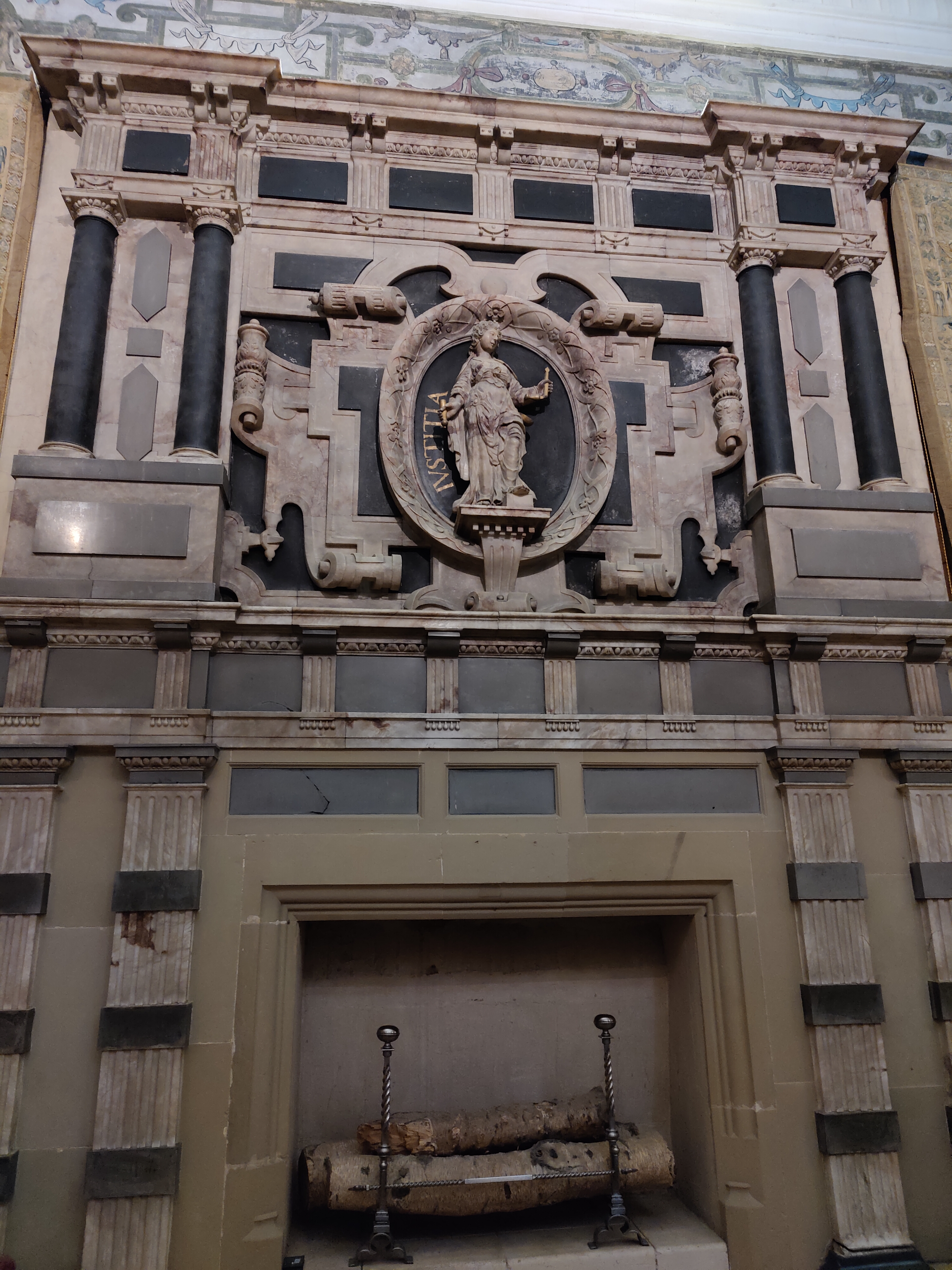
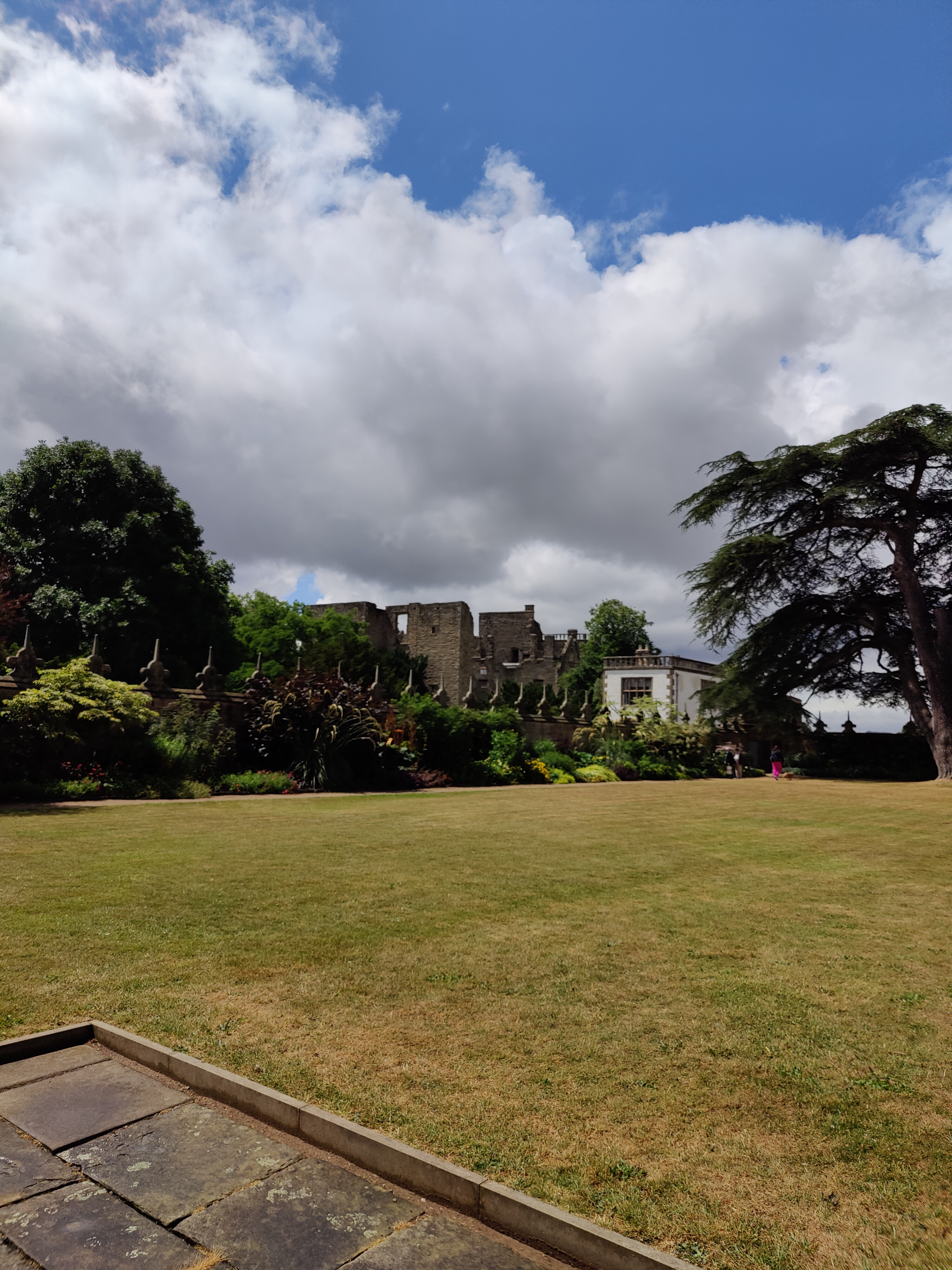
The garden is also a pleasure to explore, and the Old Hall, owned by English Heritage but free to enter, is also a glimpse into the past. This hall is now a ruin, despite Bess initiating building on both houses.
Hardwick has also popped up a few times in TV and film, including unsurprisingly, as a main setting for the BBC series “Mistress of Hardwick” from 1972. And for exterior and interior scenes of Malfoy Manor in “Harry Potter and the Deathly Hallows – Part 1”.
If you’re in the area, it’s a really great place to visit – and yes, free with NT. I really think it’s time for a good TV series or film about Bess, she seems such an interesting character. But if you have a hankering for a good setting for something historical, this is certainly one to consider.
What do you think? Have you visited Hardwick Hall? Did you know who Bess of Hardwick was? Let me know in the comments.


Leave a Reply