
We only stayed in Trieste for three nights, but in that time we managed to cram in a bunch of stuff; a visit to Miramare Castle, a magnificent palace built for Austrian Archduke Ferdinand Maximilian who was executed in Mexico before it was fully completed, a trip into Grotte Gigante, the world’s largest showcave, and an afternoon in the village of Prosecco – where Prosecco comes from (and yes, we had some Prosecco).
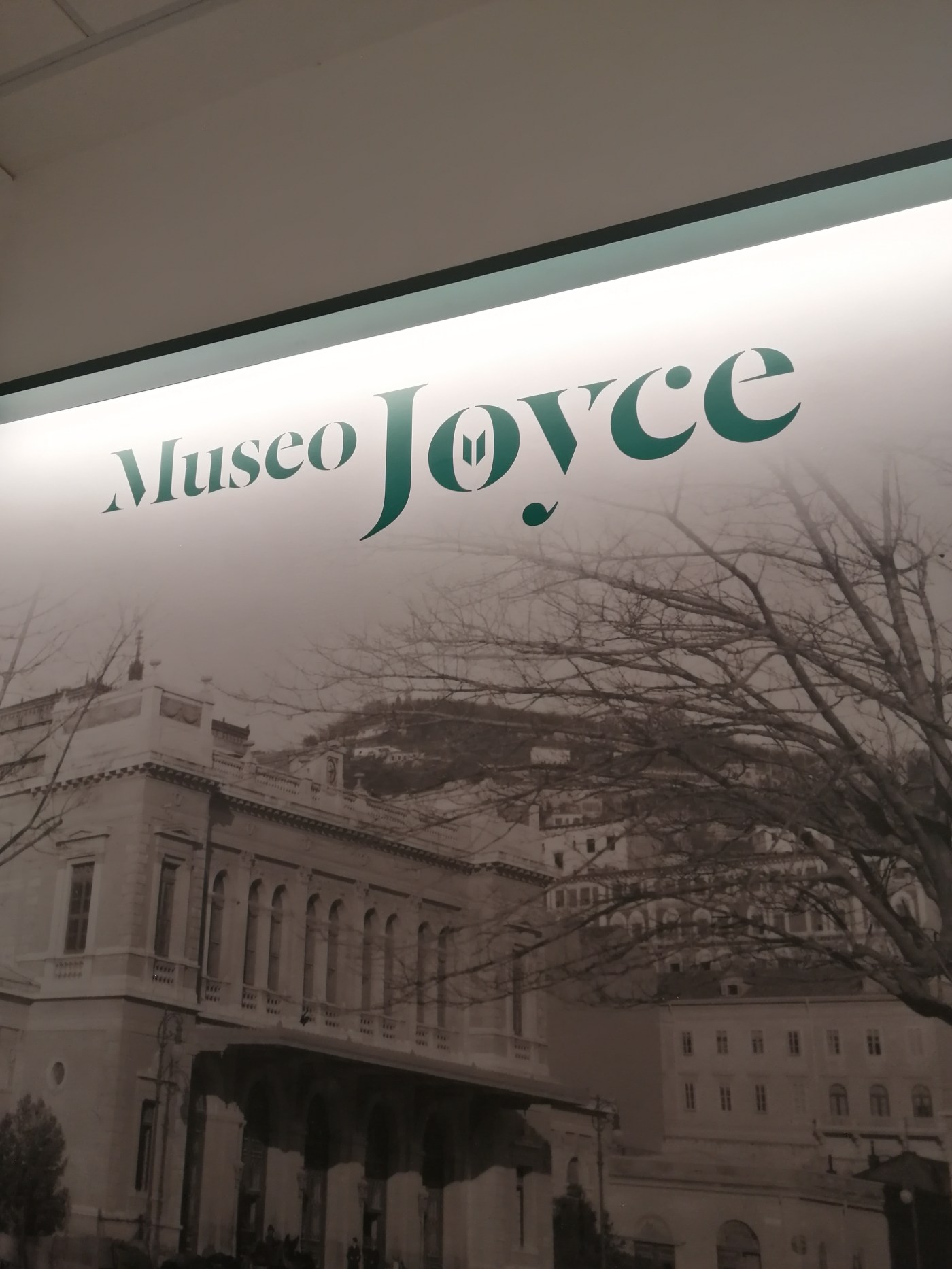
We also discovered a museum documenting the various writers who found inspiration in this historic, cosmopolitan city.
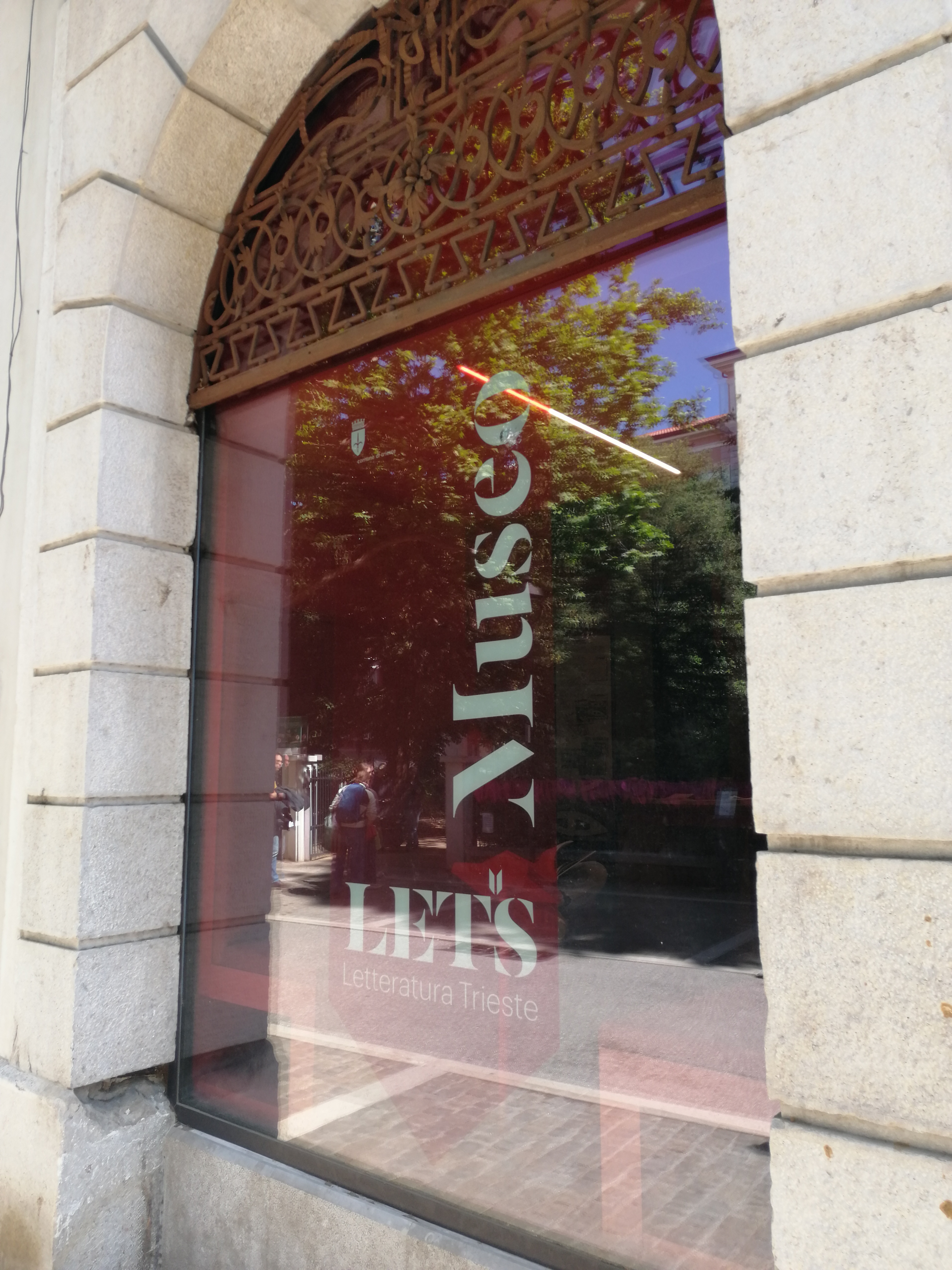
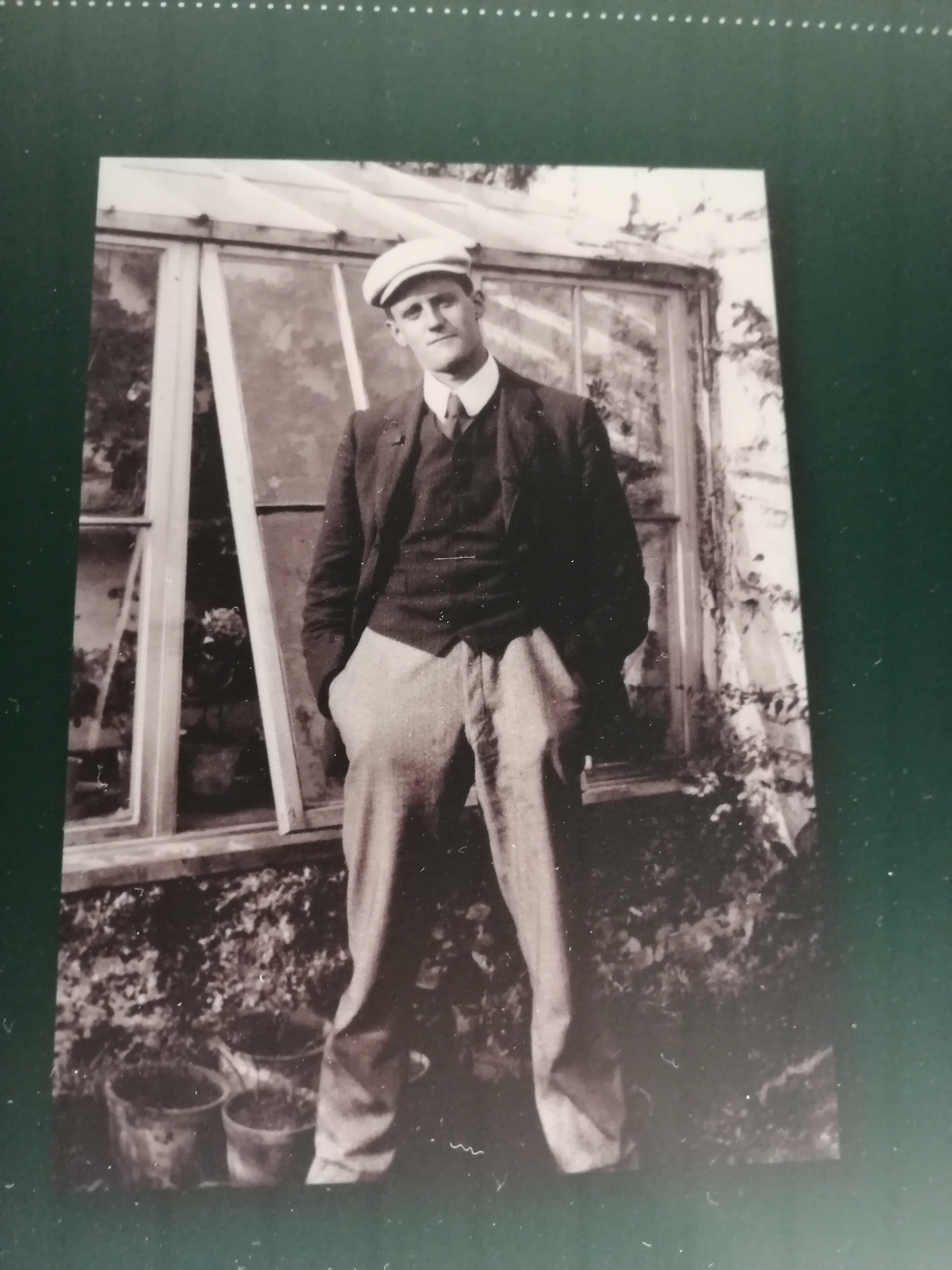
Trieste is located on the northeast of Italy, not far from the Balkans and Austria. It’s position means it has a long history, which I’ll try to sum up, ahem; once a Roman colony, it submitted to Charlemagne in 788, was invaded by Venice, before asking to become part of the Austrian Hapsberg Empire in 1382. This didn’t stop Venice and others from invading, but Trieste began to prosper, and eventually settled by a large number of Serbians in the 18th and 19th century. And in the early 20th century, writers and artists, including James Joyce, flocked to this vibrant place to live and write.
James Joyce was born on 2 February 1882 to a middle-class family in Dublin, and wrote his first poem aged nine, but his family struggled due to his father’s drinking and debts. After college, Joyce studied medicine in Paris, but eventually dropped out. He stayed on in the city though, only returning to Ireland in 1903 when his mother died, an event that worsening his father’s alcoholism and abusive behaviour.
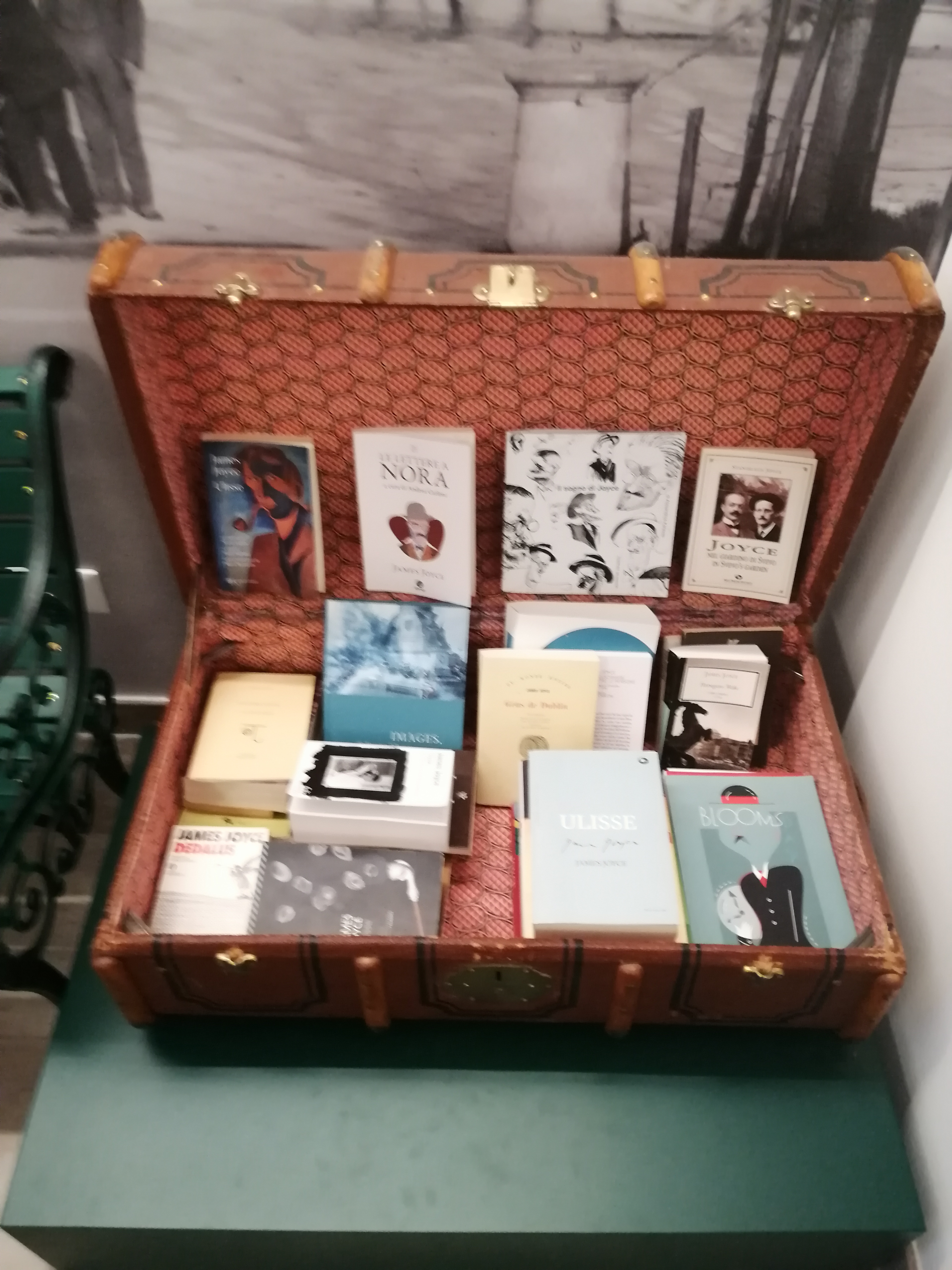
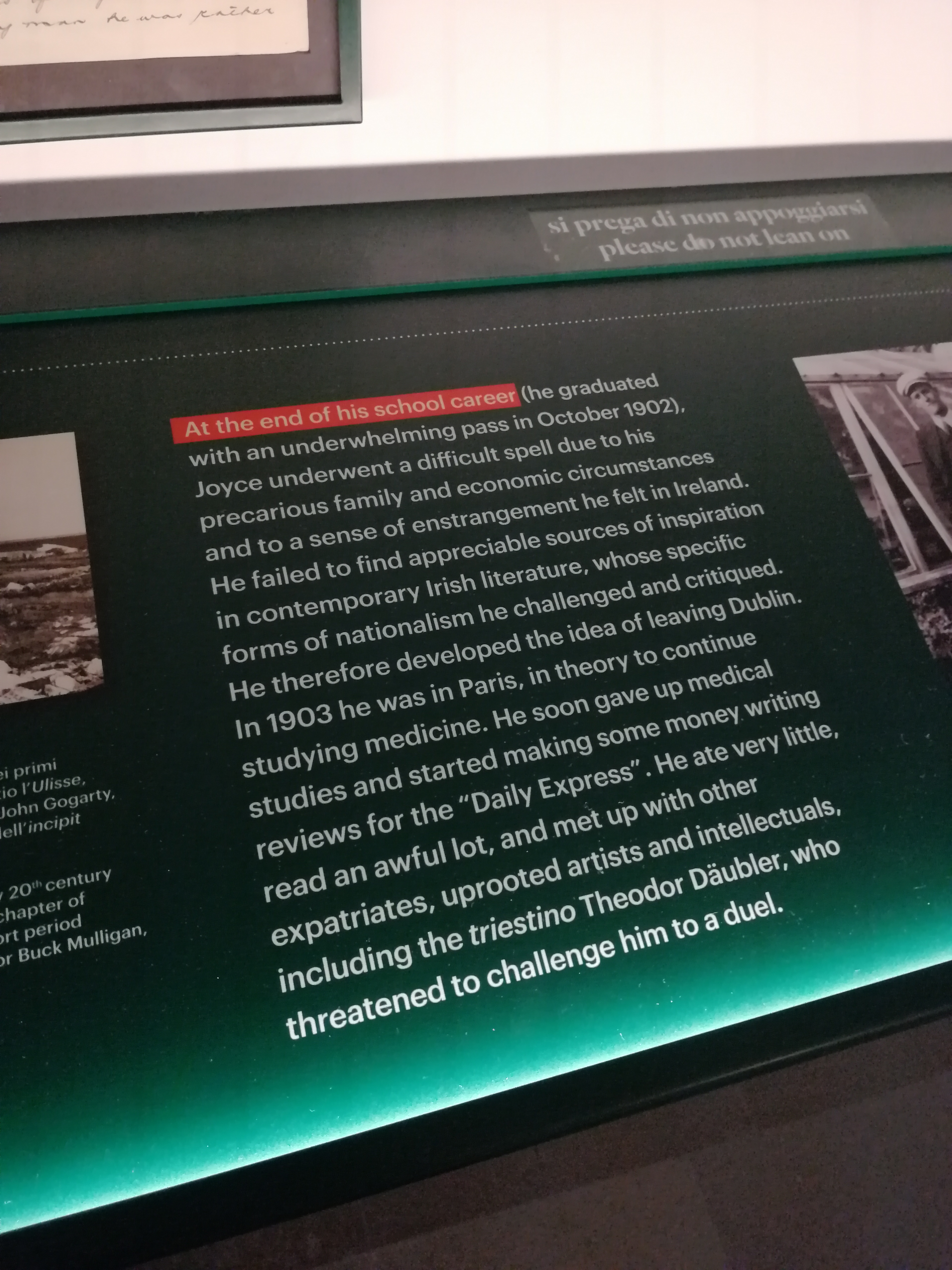
Joyce met Nora Barnacle in 1904 and they went into a self-imposed exile around Europe, arriving in Trieste in 1905. Joyce took up a teaching position, writing on the side. It was at this time he wrote all but the final story of The Dubliners but, despite having a deal with a publisher, found they refused to publish it due to the controversial nature of some of the content.
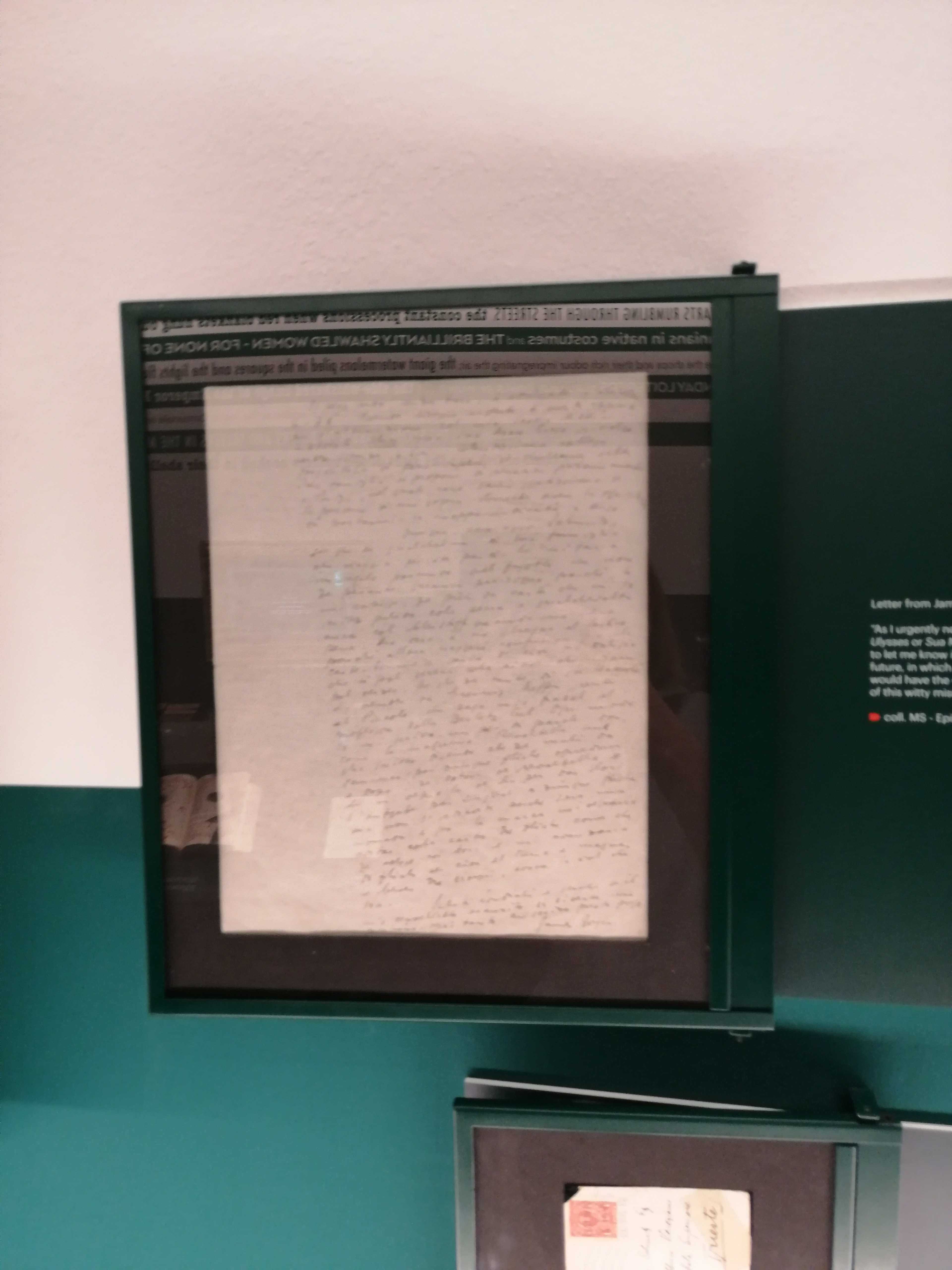
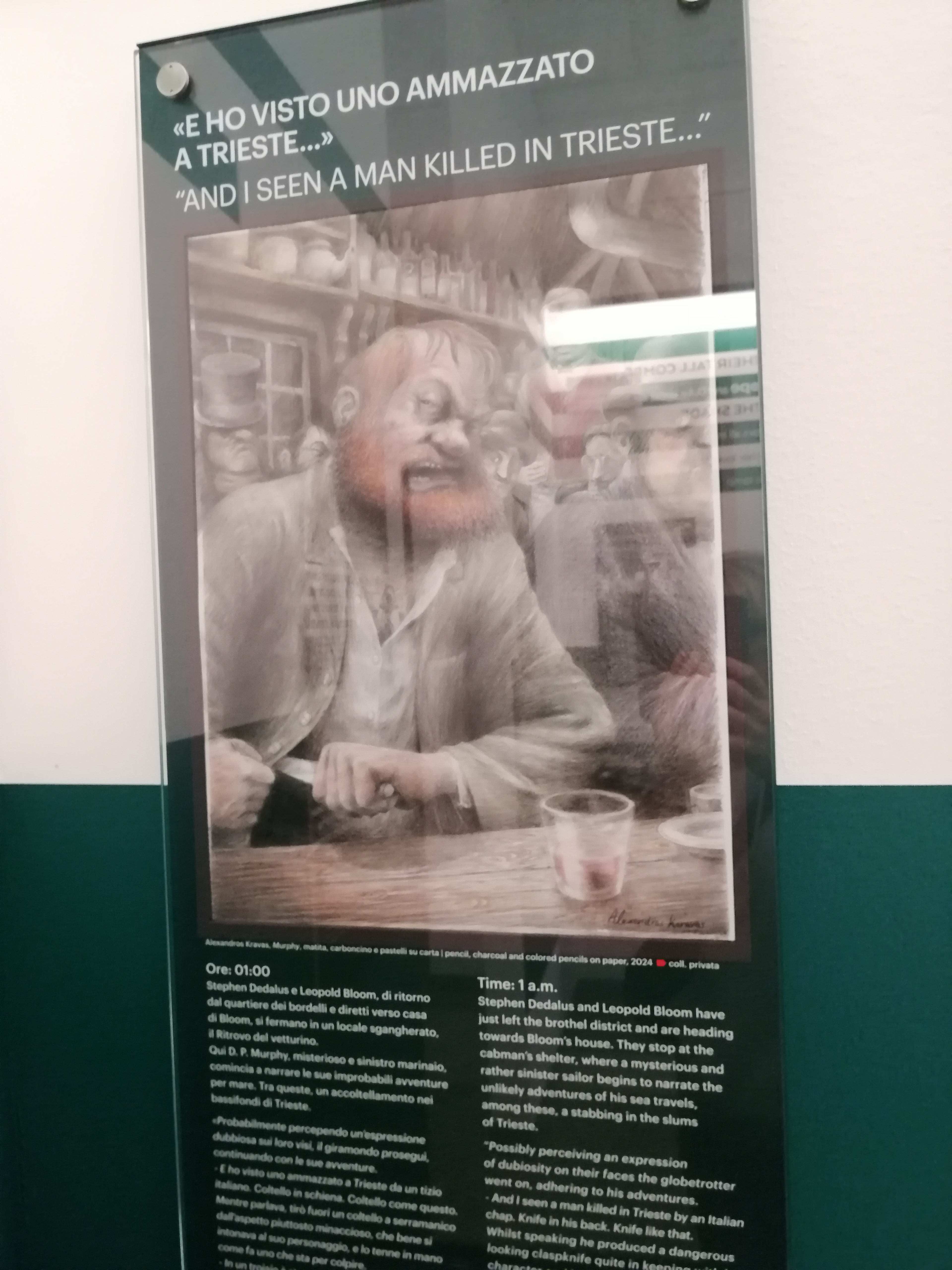
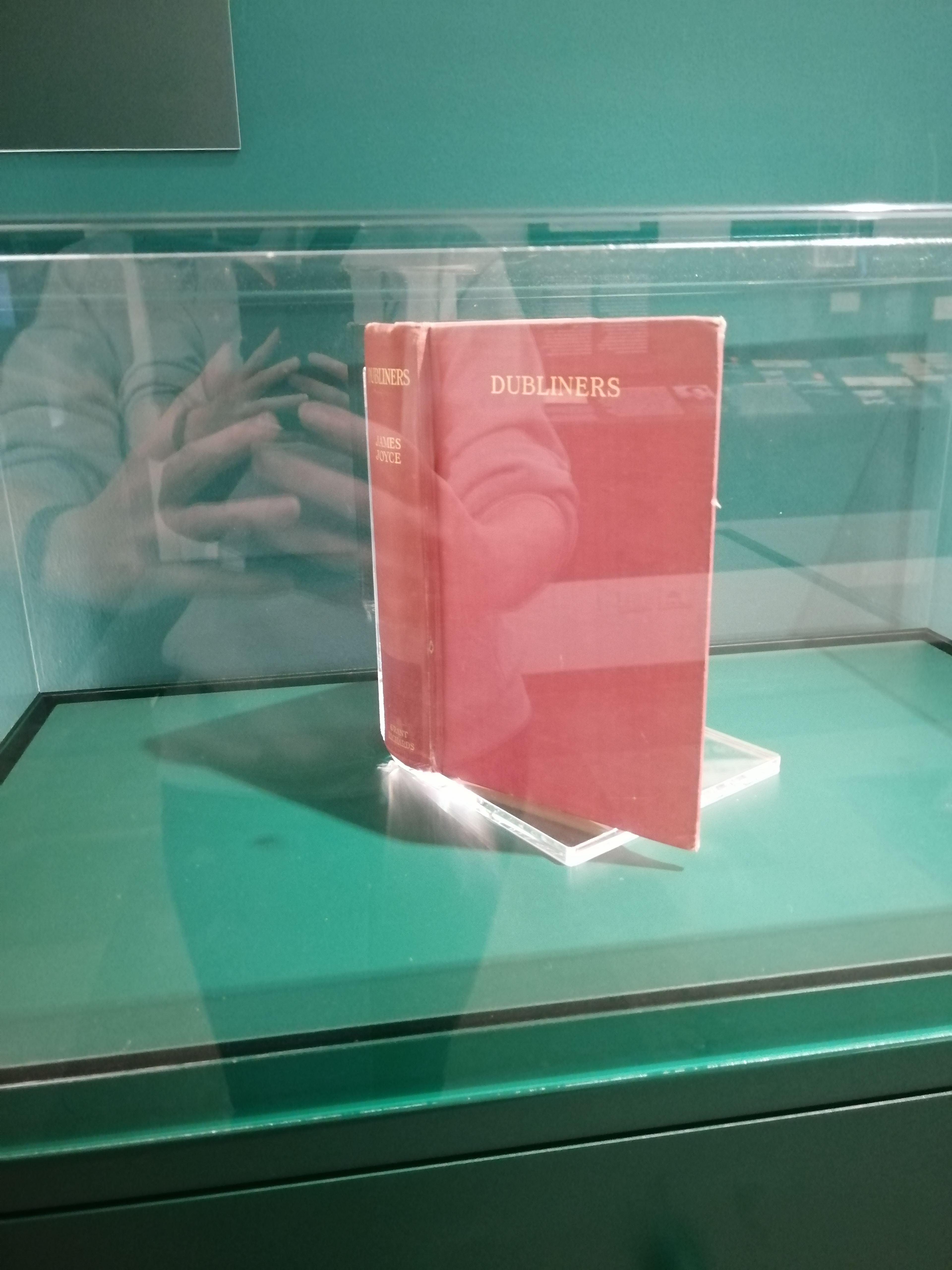
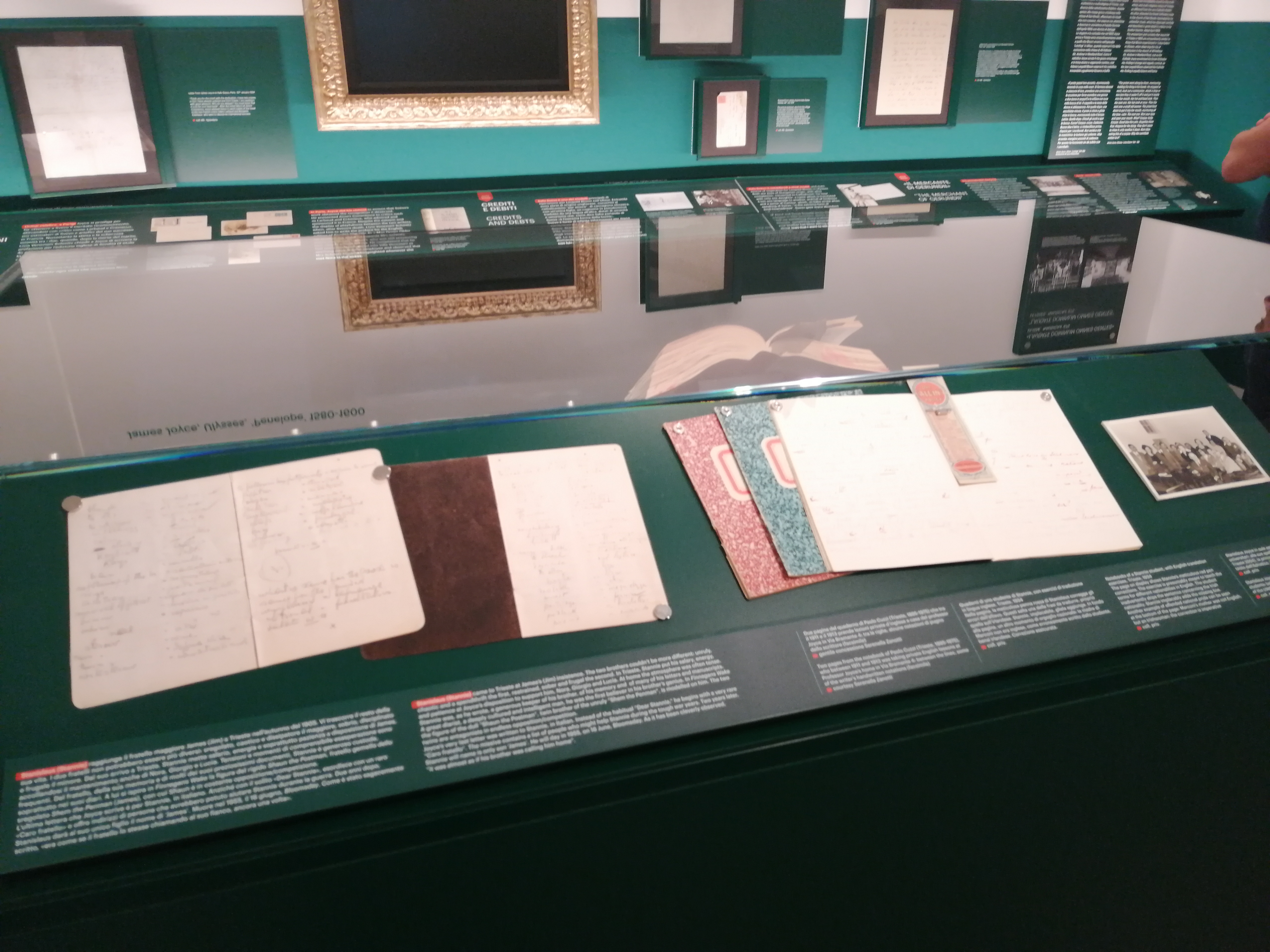
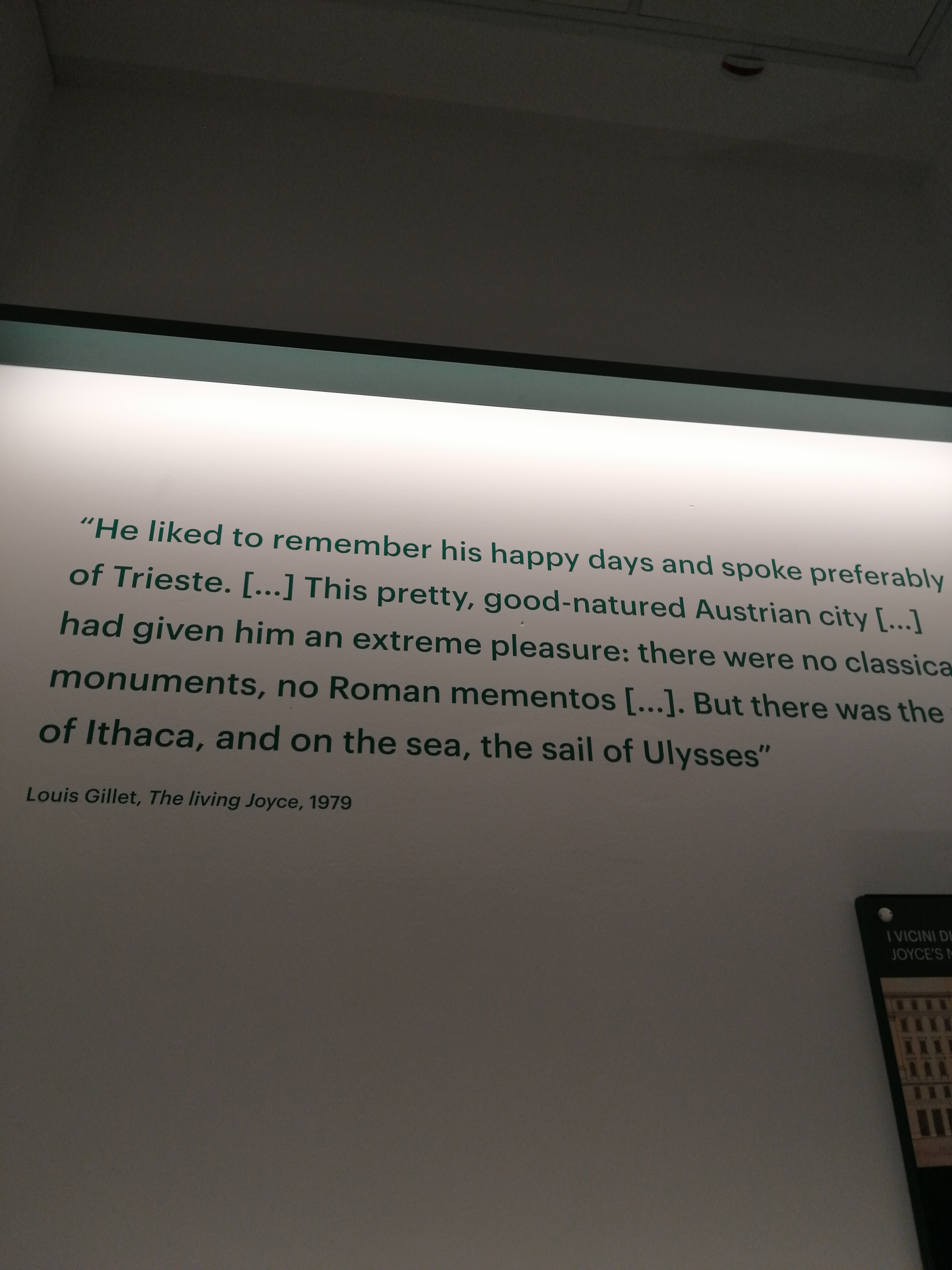
Joyce and his family continued to move around Europe, but Trieste remained his main home. He pinged to Rome in 1906 then back to Trieste in 1907. He then went to Dublin but again returned to Trieste in 1910 and The Dubliners was finally published in 1914. He was in Trieste when WW1 broke out but eventually left for Zurich in May 1915.
His final stay in Trieste was in 1919, but the city, now part of Italy, didn’t feel the same. He and his family left for Paris in 1920.
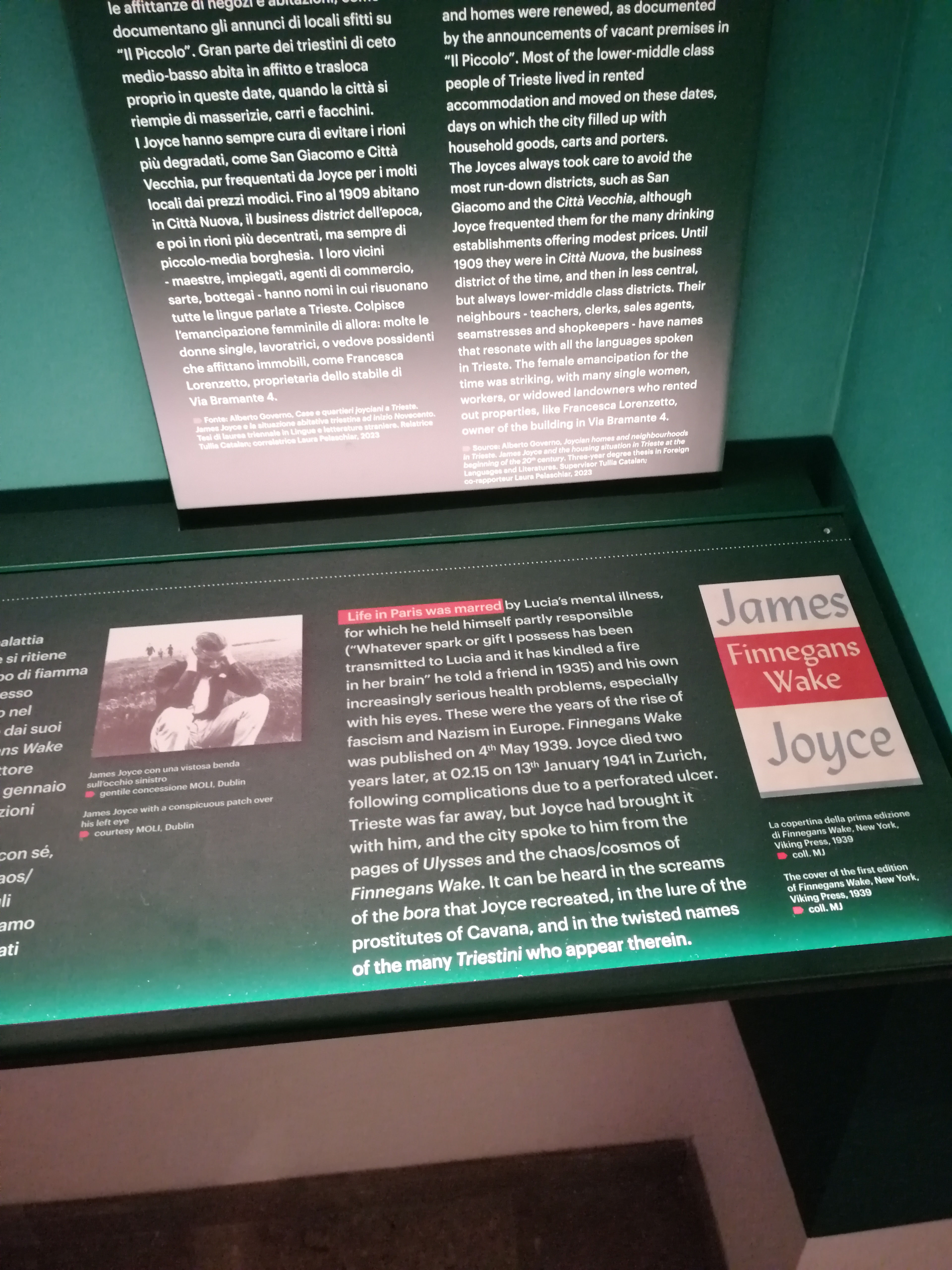
Trieste obviously played a large part in Joyce’s development as a writer. He was influenced by the place, its history and its people. There are even words of the Triestine dialect in Finnegans Wake. The presence of this display in the city, shows just how closely the Irish writer is linked with the place. And whilst I’m not a fan of Joyce’s work, I do understand the importance of it. If you are a fan, then Trieste is somewhere you’d doubtless enjoy visiting and finding the places he may have frequented. In and of itself, the city is a fascinating place to visit.
Are you a fan of James Joyce? Have you ever visited Trieste? Let me know in the comments.


An amazing, groovy, tortured soul. 🏄♂️
LikeLiked by 1 person