
I’ve been to Winchester many times and I’ve even walked some of this route before. But I’d no idea there was an official walk called Keats Walk, named after the Romantic poet John Keats, that went past some of Winchesters iconic sites. Once I found out, I took the opportunity to follow it – and you can come with me.
John Keats stayed in Winchester for a few months in 1819 and took this walk on 19 September. He was apparently so inspired that he composed one of his most well-known poems “To Autumn”, subsequently published in Keats’s 1820 collection of poetry titled Lamia, Isabella, the Eve of St. Agnes, and Other Poems.
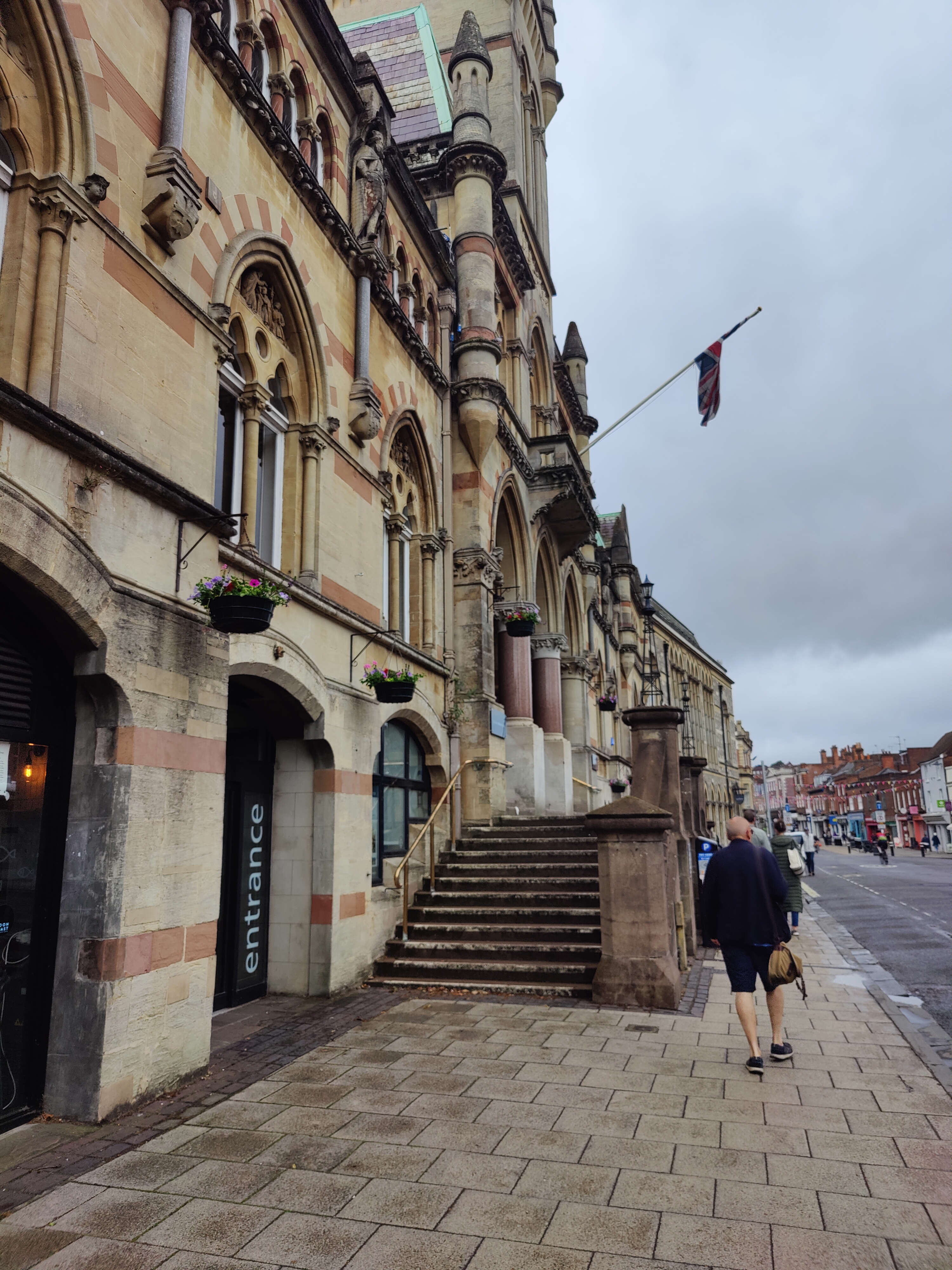
I followed Keats Walk on a warm and sunny June day, unlike the Autumnal time of year Keats himself strode the same path. We start outside the Guildhall, a magnificent Victorian Gothic building. Facing away from it, we left and walk down the road until we reach Market Street.
Turning down Market Street, we can see Winchester Cathedral, rising grandly above the trees.

Possibly the most famous building in the city, the cathedral is open to the public but you have to pay to enter. If you do so, you’ll be able to find the grave of another literary giant linked to the city, Jane Austen. But if you want to see what it looks like without paying, I’ve got a blog post about visiting it.
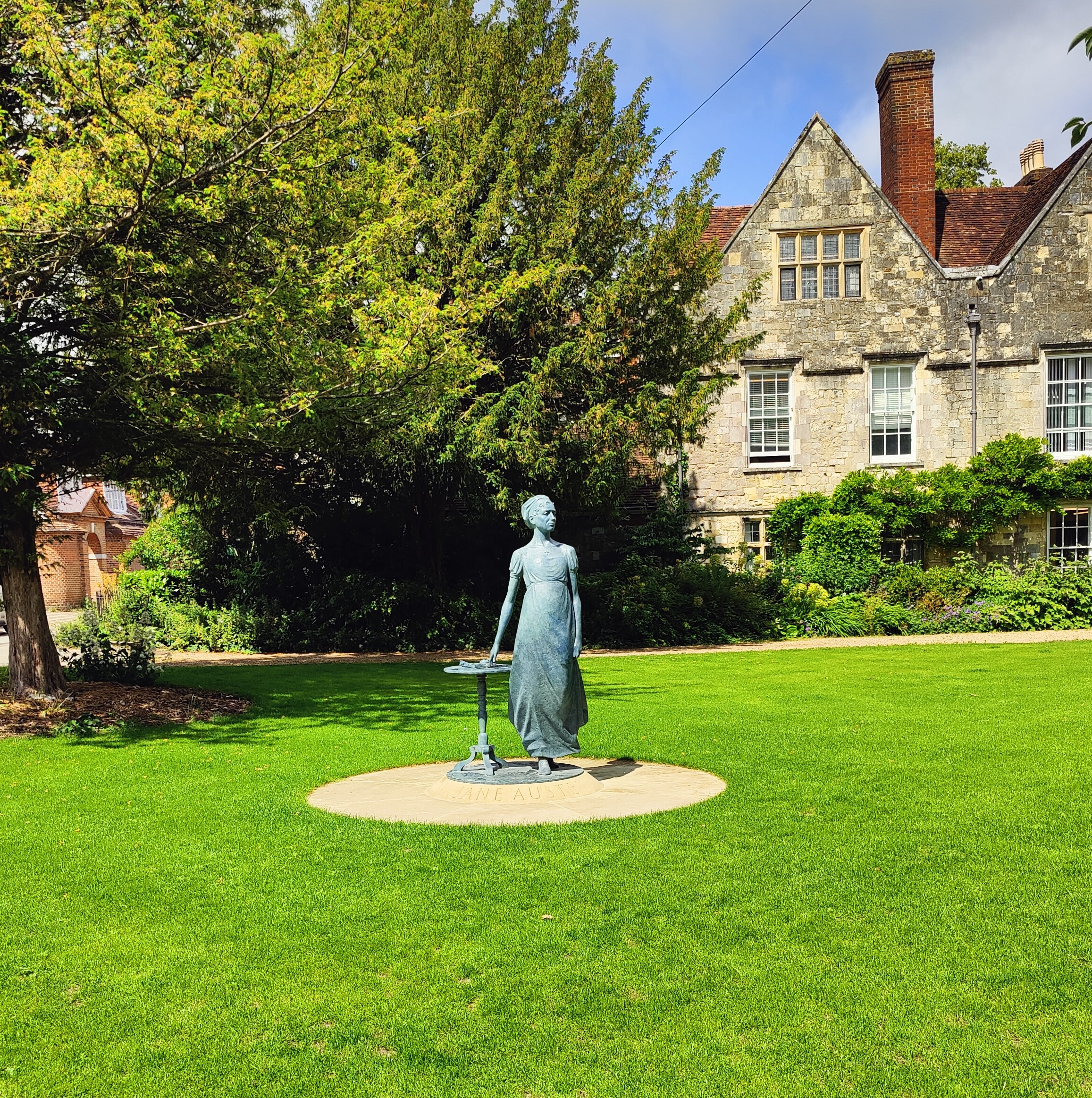
After walking around the right side of the cathedral, we enter the Cathedral precincts where we find yet another reminder of Jane Austen, in the form of a statue that shows her rising from her writing desk at her home in Chawton.
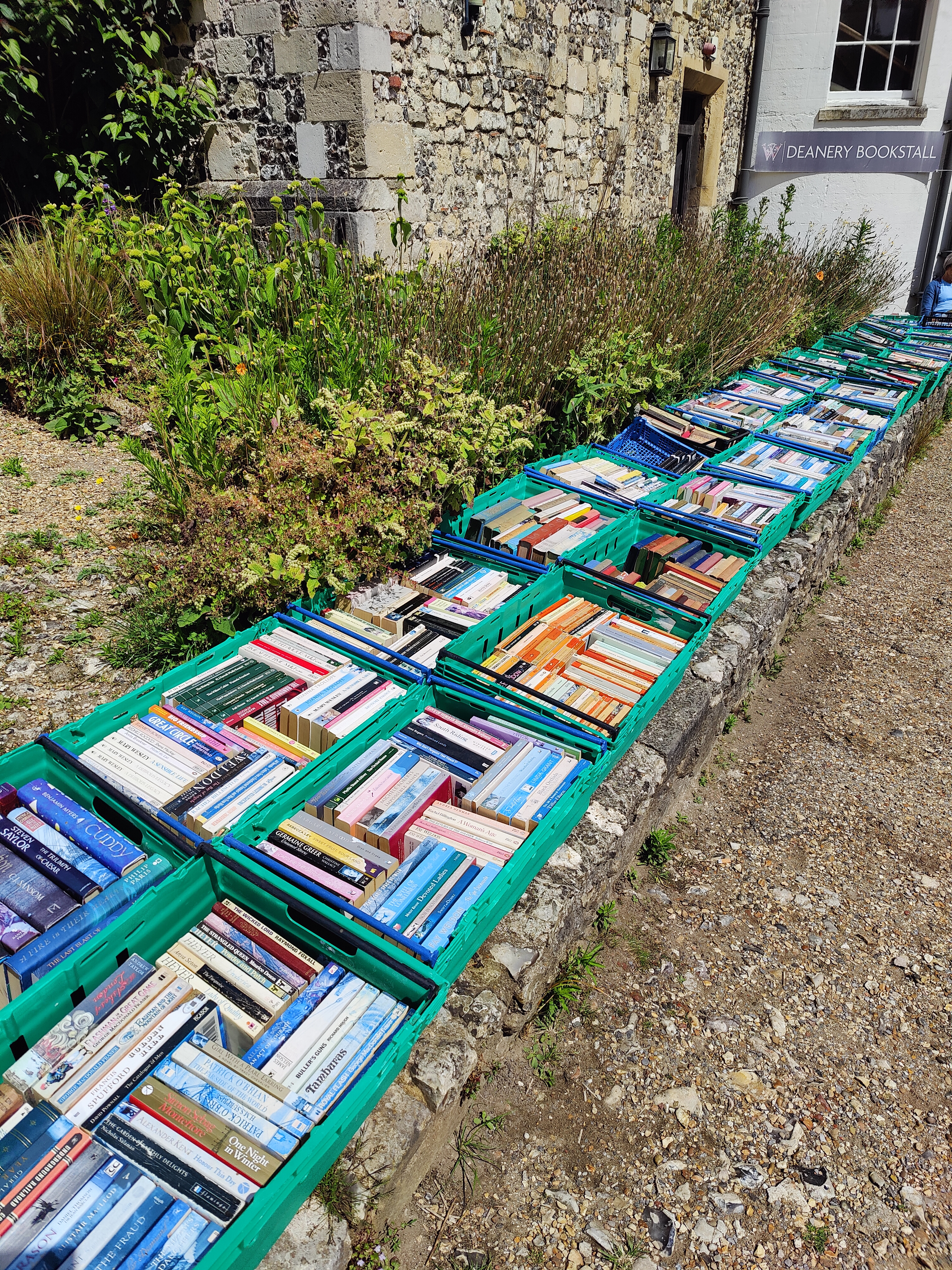
The walk then takes us past the Deanery Bookstall, which often has boxes and boxes of second-hand books outside. Side note – this will not be the first place selling books we pass on this walk!
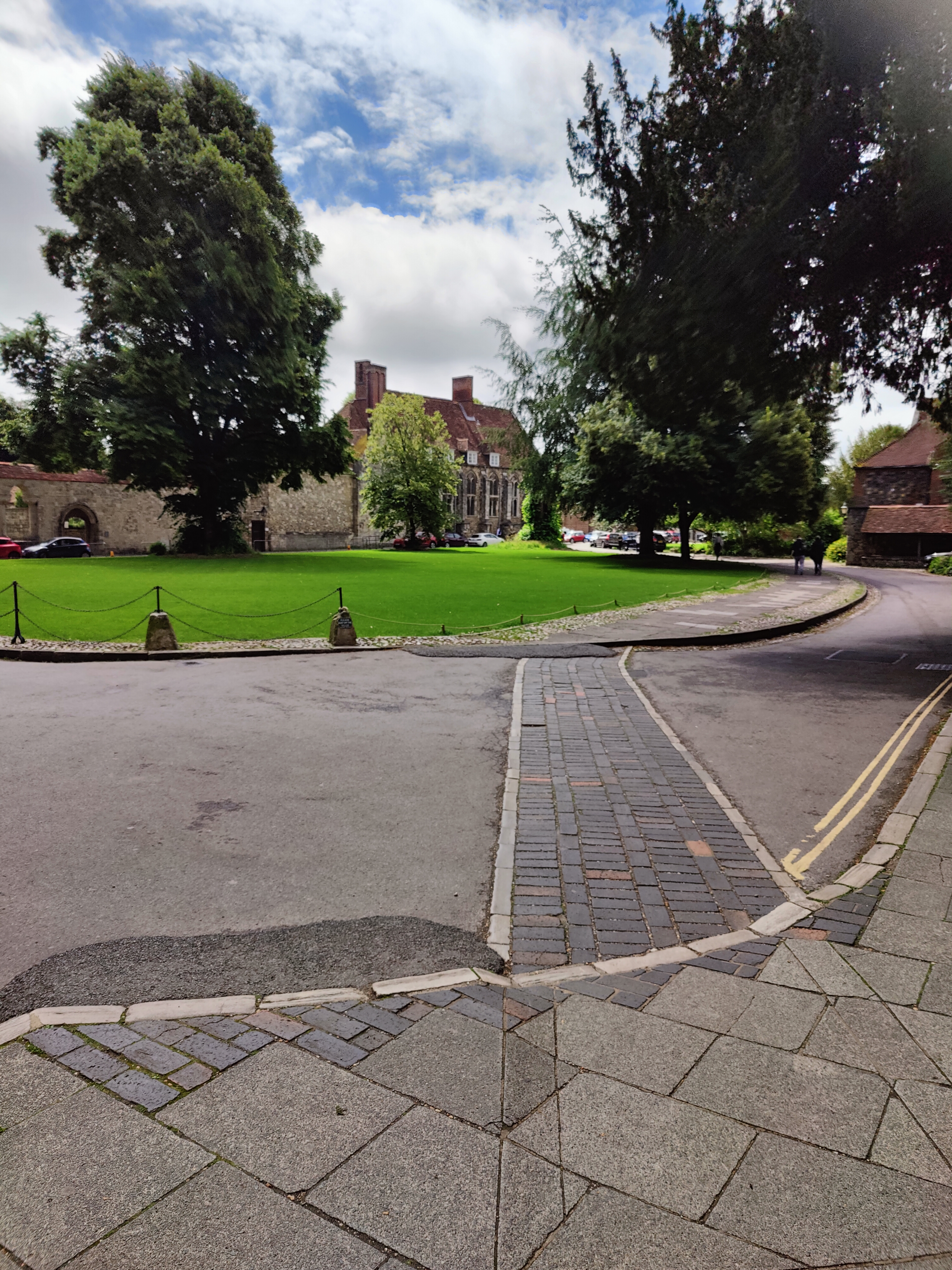
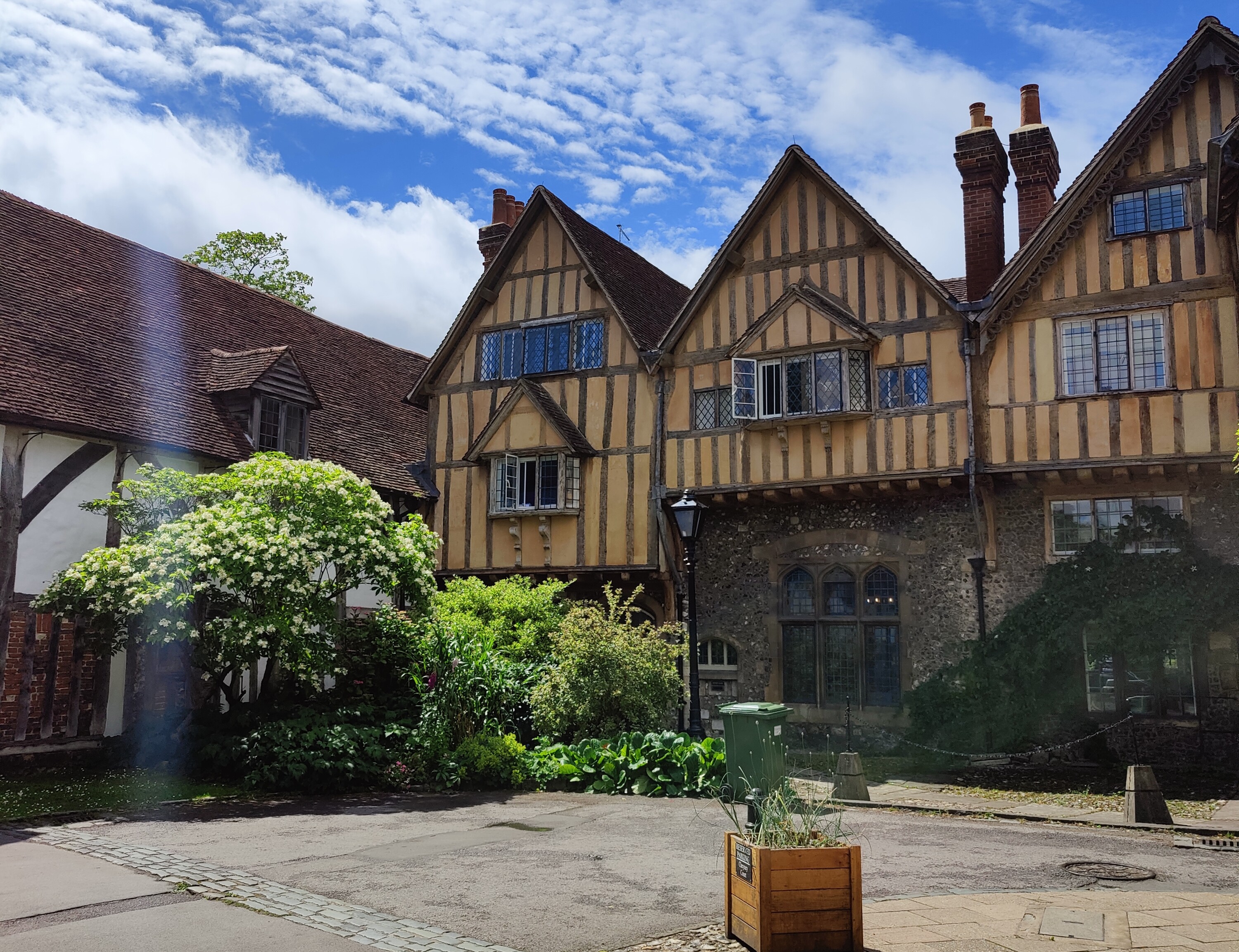
Dragging ourselves away from the books, we walk past Pilgrims Hall and The Old Stables, remnants of a much larger group of medieval buildings, before leaving the Cathedral grounds via the Priors Gate.
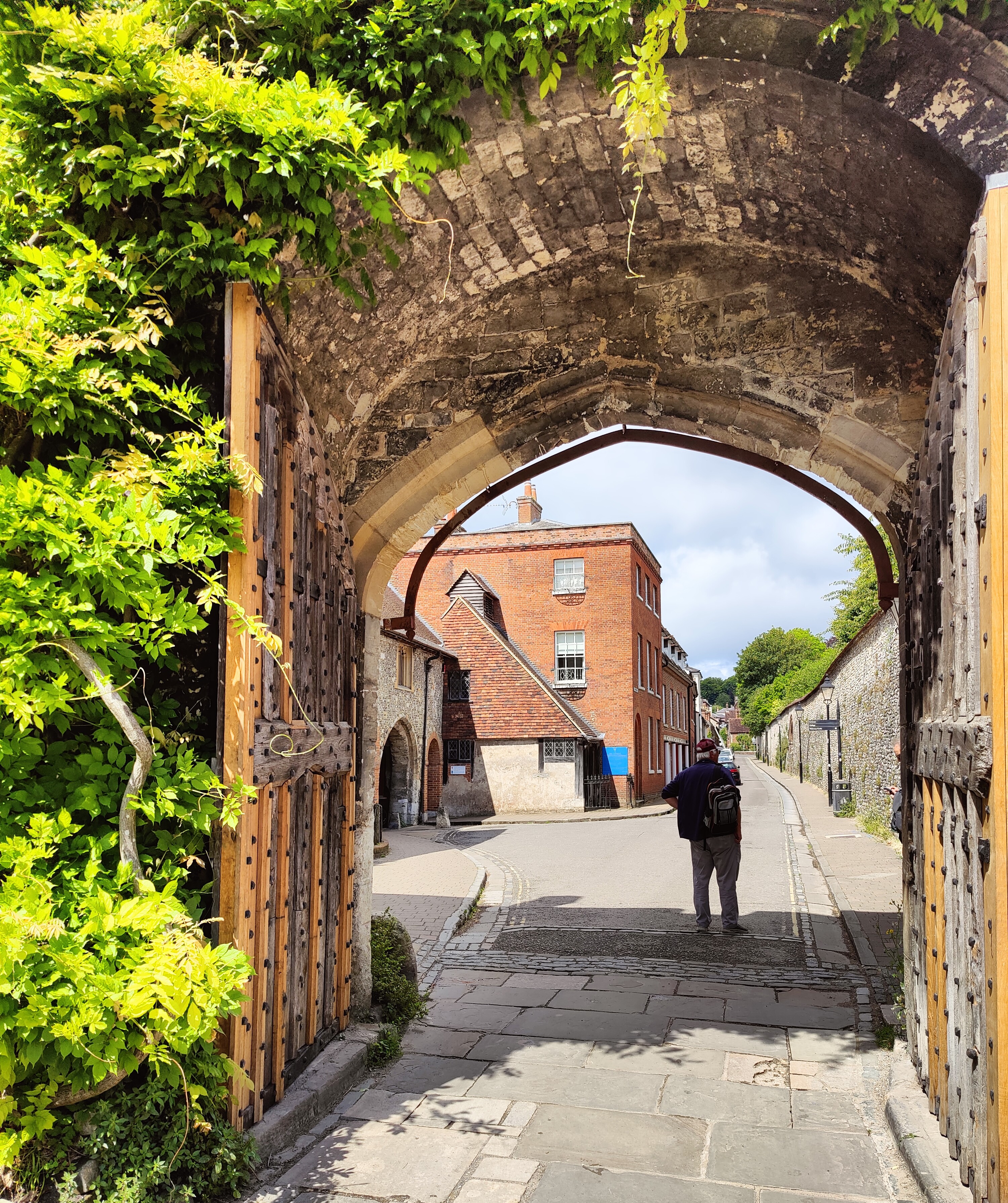
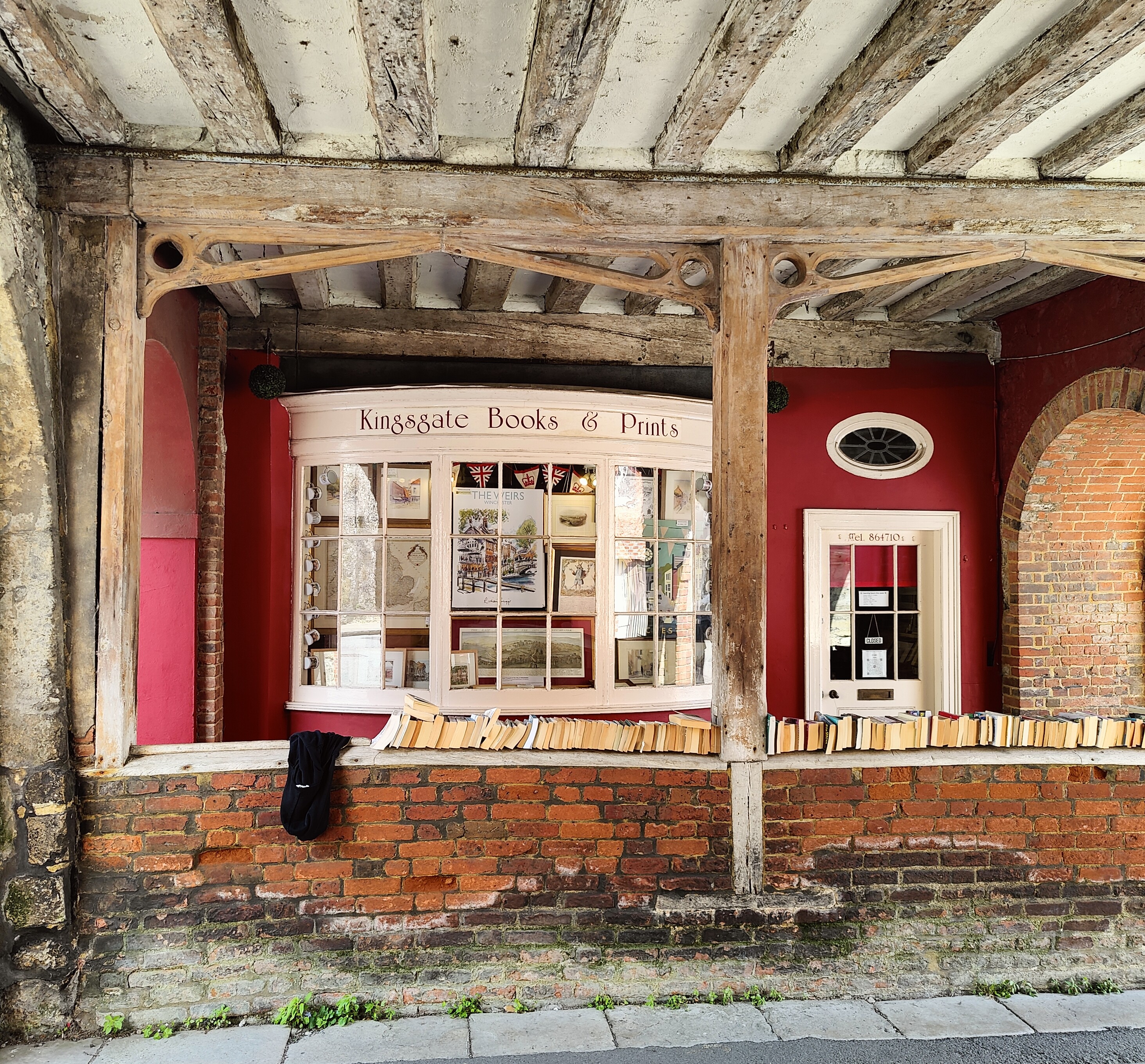
Ducking under Kingsgate, we find Kingsgate Books & Prints, the second book-selling establishment on our journey.
Just a few metres more, after turning left down College Street, we pass the third bookshop, an awesome independent called P&G Wells, that’s apparently been in the street for nearly 300 years.
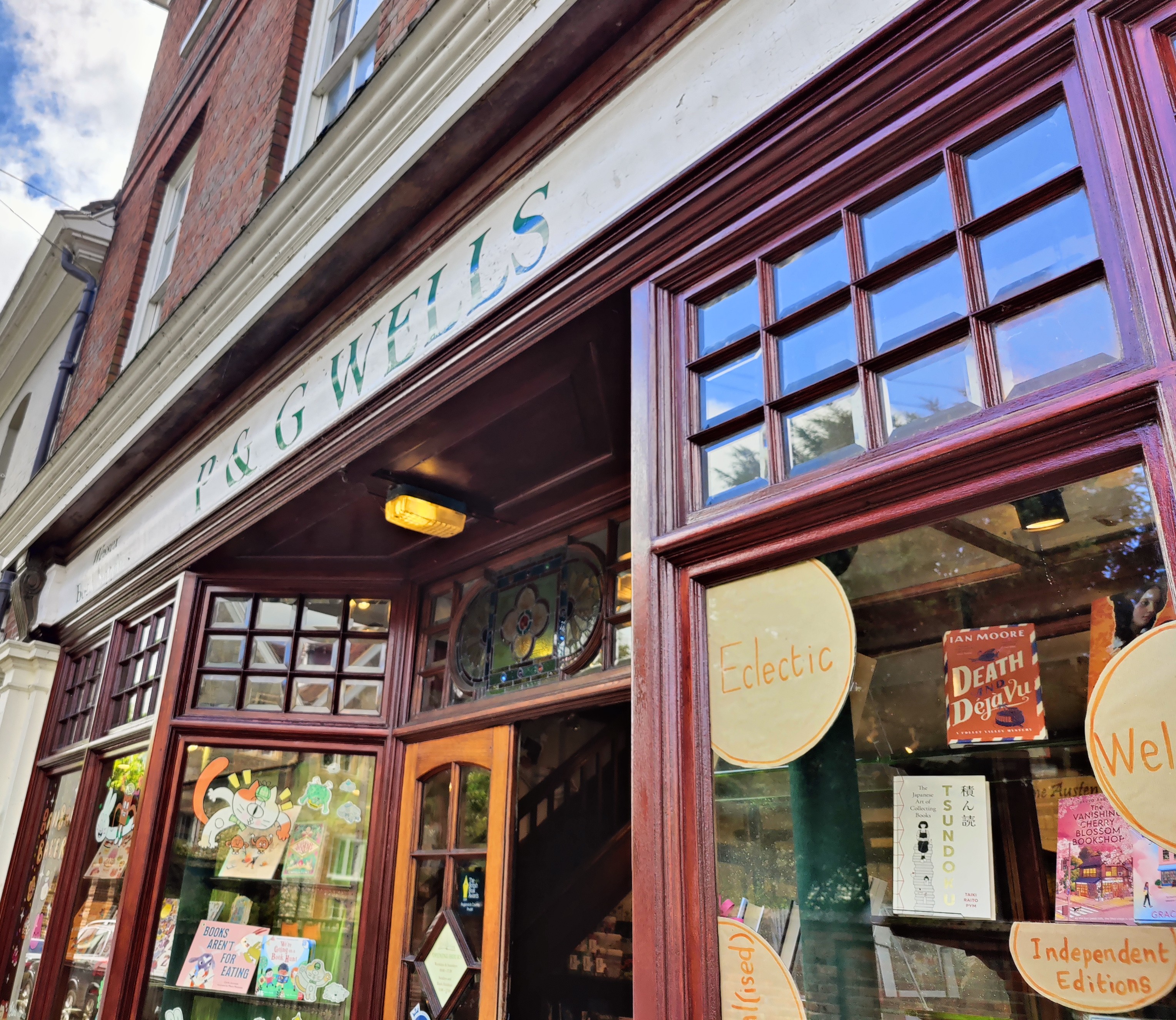

Obviously, I had to duck in for a good look around, although I did leave empty handed to save my bank balance. Whilst there though, I overheard a delightful encounter between a woman seeking a copy of a new book by her favourite author that was due out the next day and one of the staff. The woman came in on the off-chance they might have the book already and indeed bookseller did – the woman was overjoyed! If I ever get published, knowing that someone wanted one of my books this way would feel like the greatest success of my career!
Stepping out of P&G, we encounter the last Jane Austen reference on our journey – the building where she died. This was a private residence, although I think it may recently have been taken on to be opened as a museum. A plaque on the wall commemorates her occupation.

A few metres on, we pass Winchester College, a private school founded in 1382. And a few metres more brings us past the entrance to Wolvesey Castle, the Old Bishops Palace. It’s owned by English Heritage, but free to enter. The castle was the main residence of the bishops of Winchester throughout the Middle Ages.
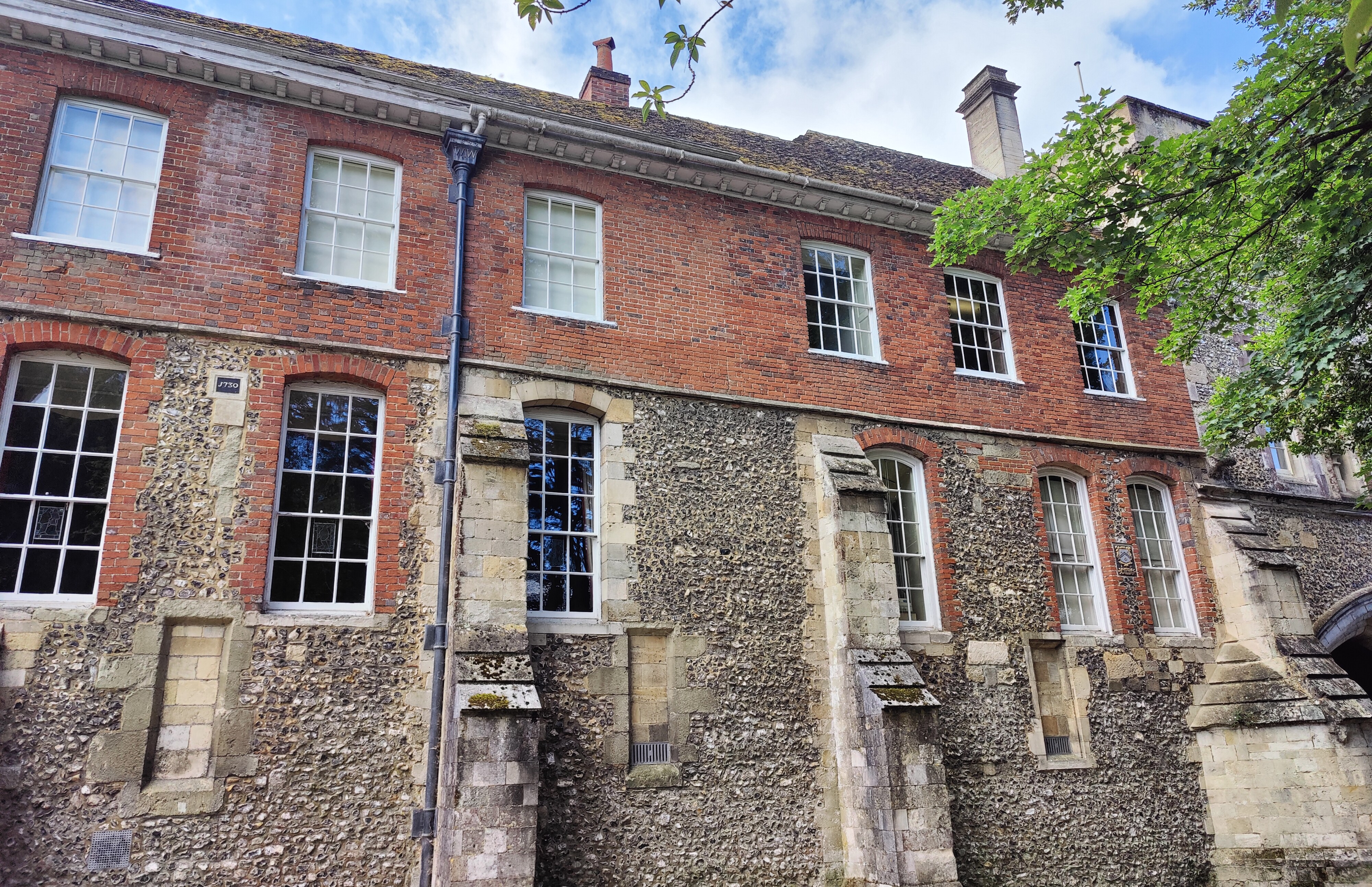
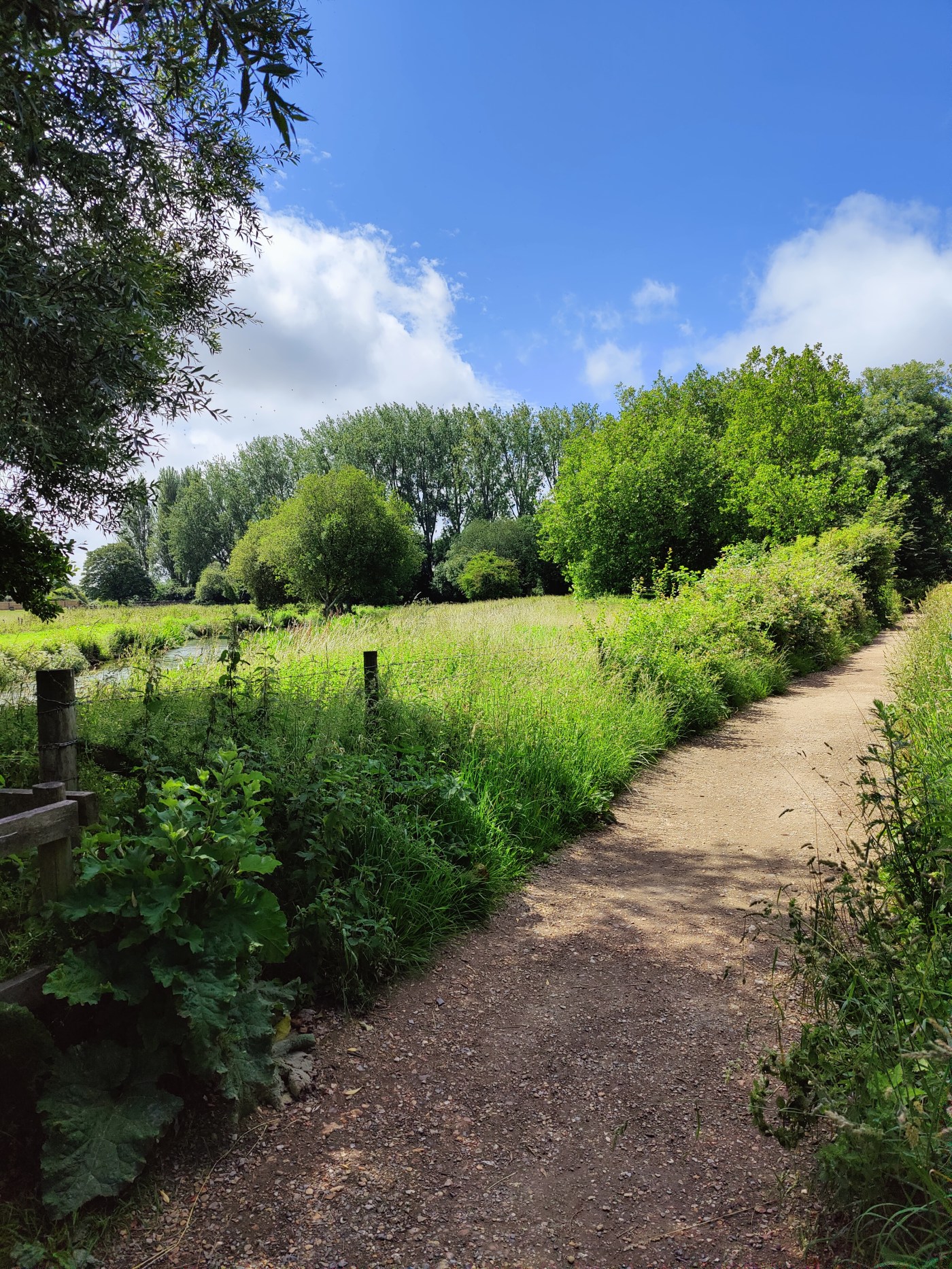
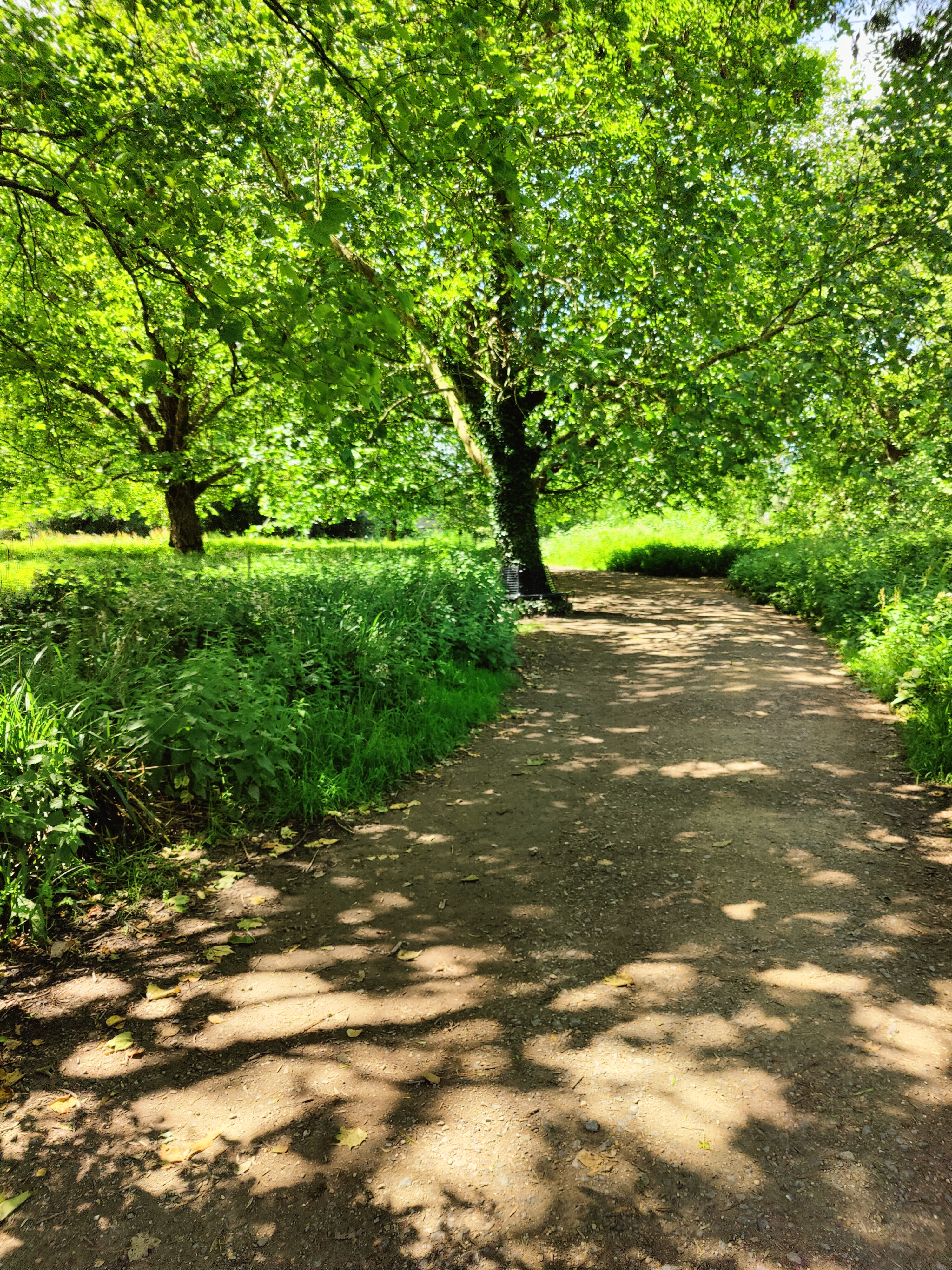
To continue our walk, we follow the road round to the right, down College Walk, then Havers Walk, before turning left onto a footpath. Now we’re within the water meadows, the River Itchen on your left and its offshoots on your right, the Winchester College grounds on the other side of that.
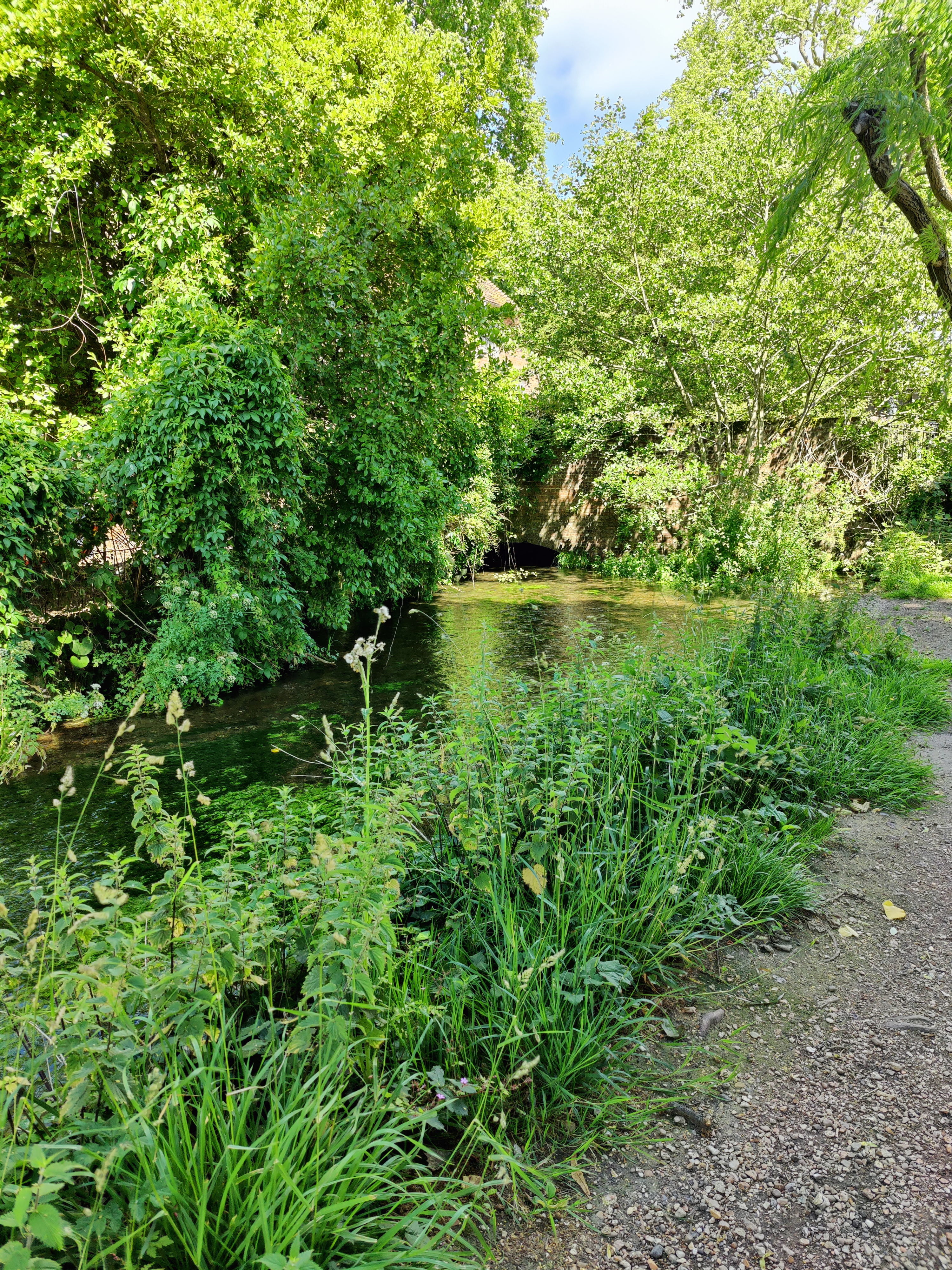
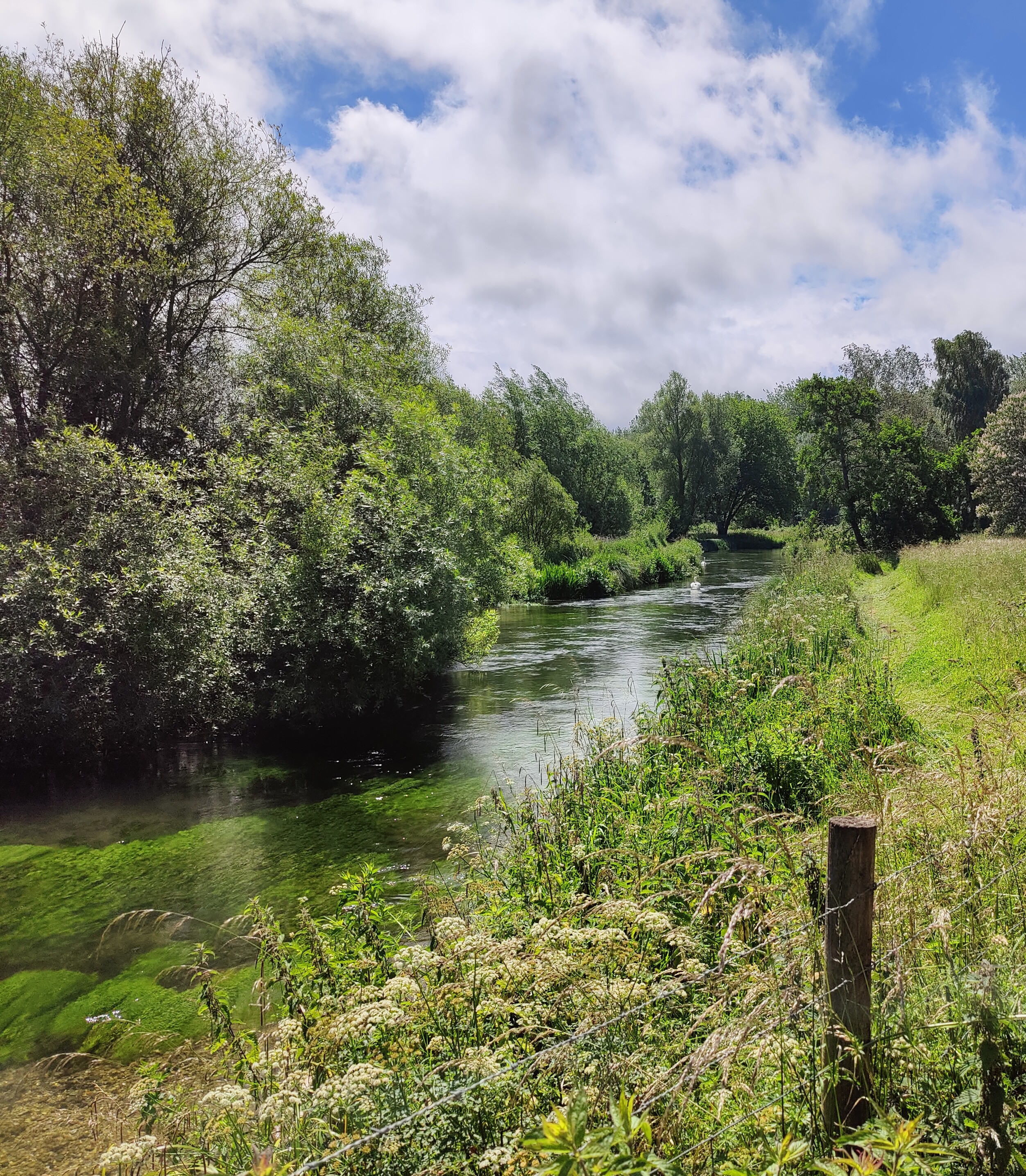
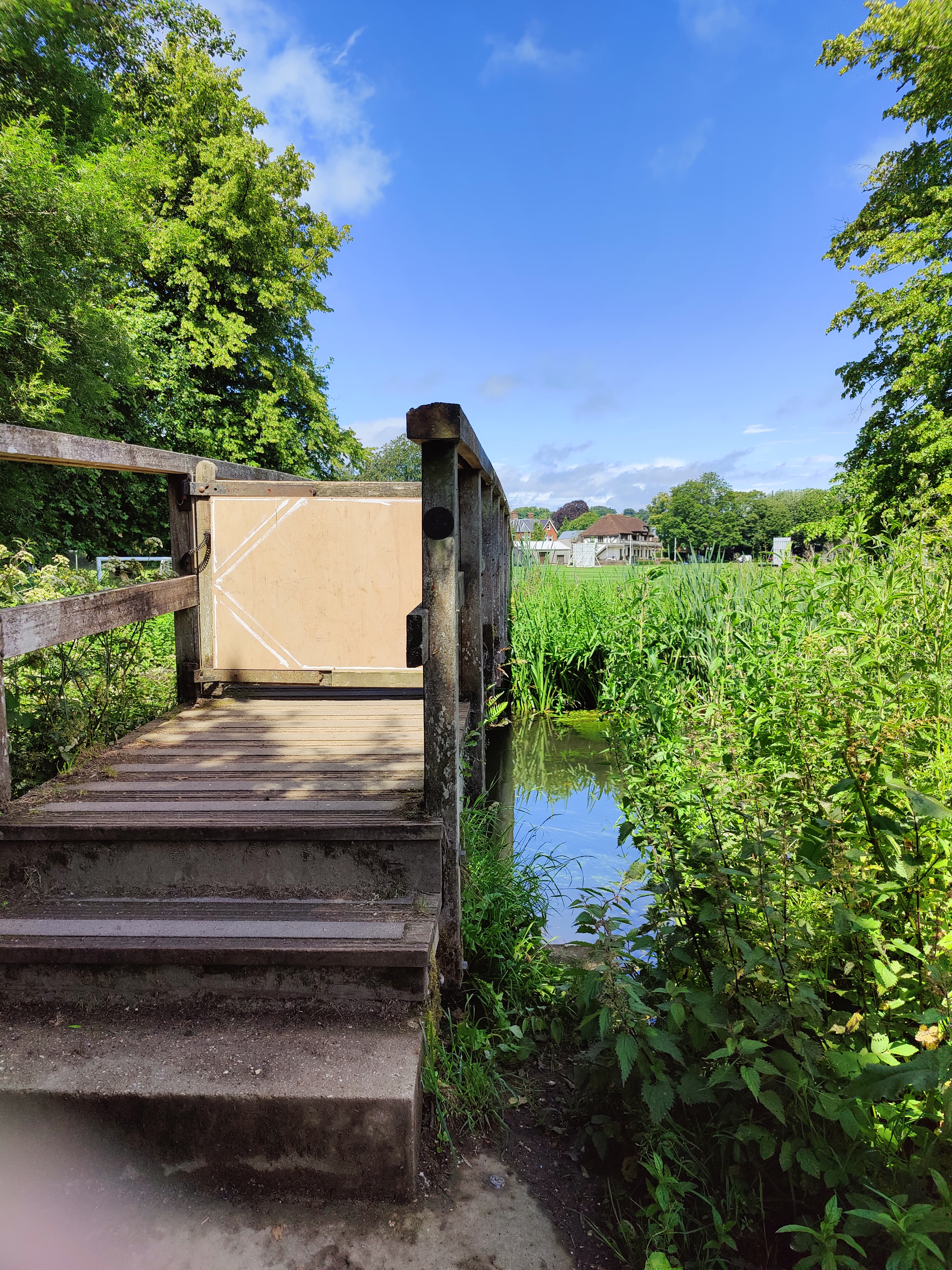
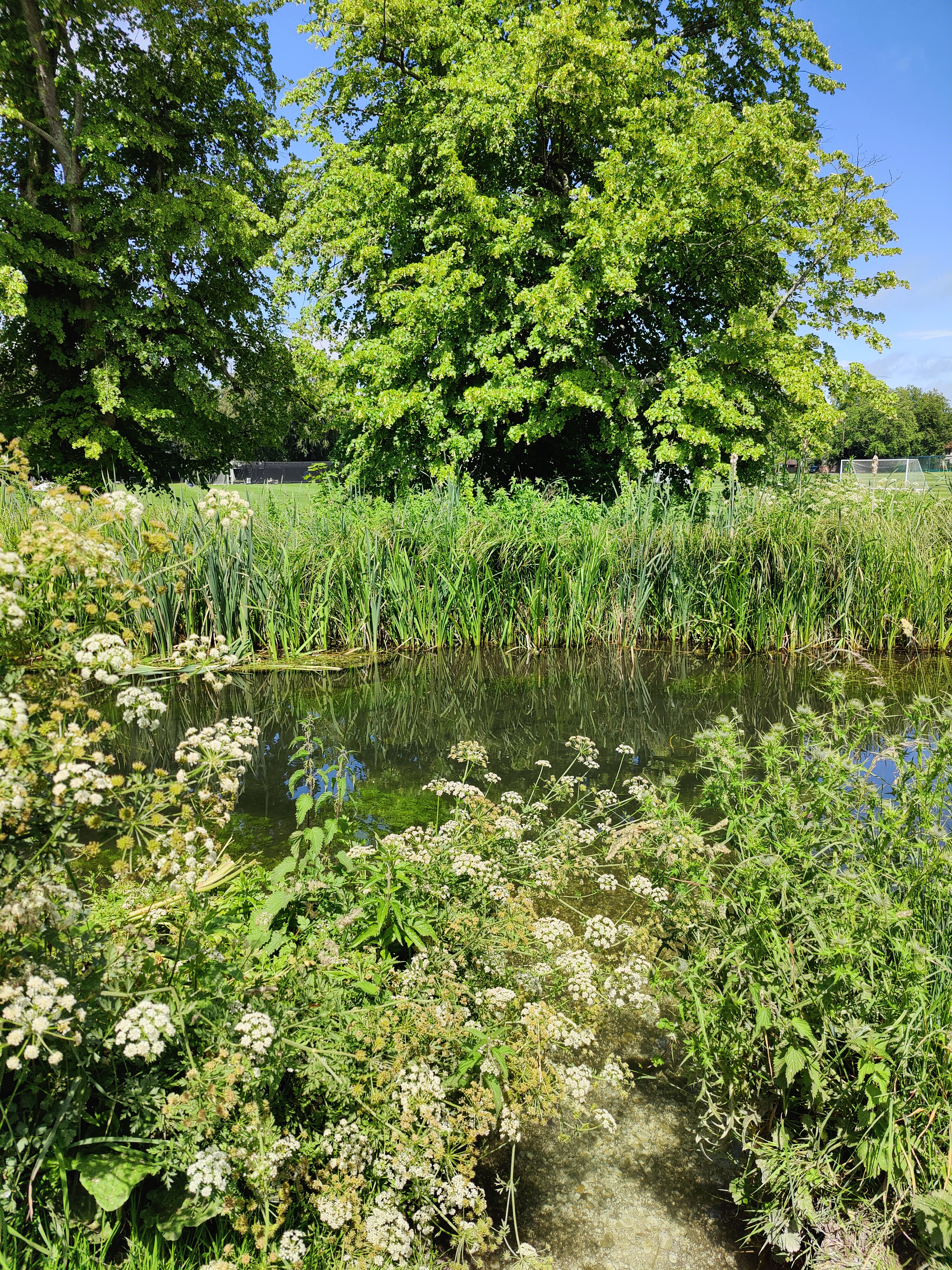
On this sunny day, the place is alive with bugs and butterflies, bushes, trees and water reeds in full glory beside the shallow, snaking river.
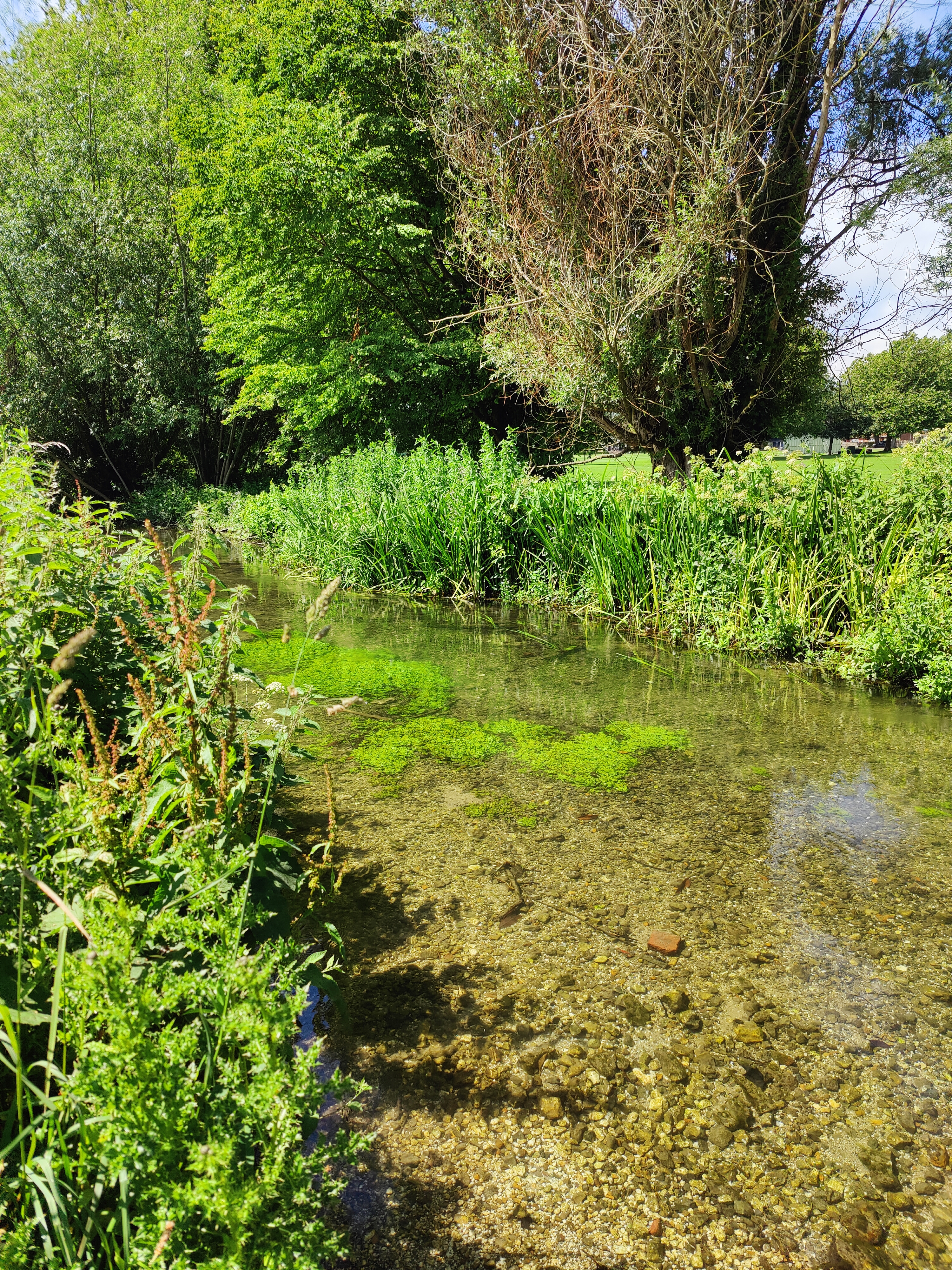

We eventually come out onto Garnier Road. If we wanted, we could turn left and walk down to St Catherine’s Hill, to climb up it, or meander past it next to the Itchen Navigation.

But to complete Keats Walk, we need to cross Garnier Road and take the slightly hidden footpath opposite. The part is more sheltered than the first section, but still nice, and crosses behind a large section of allotments
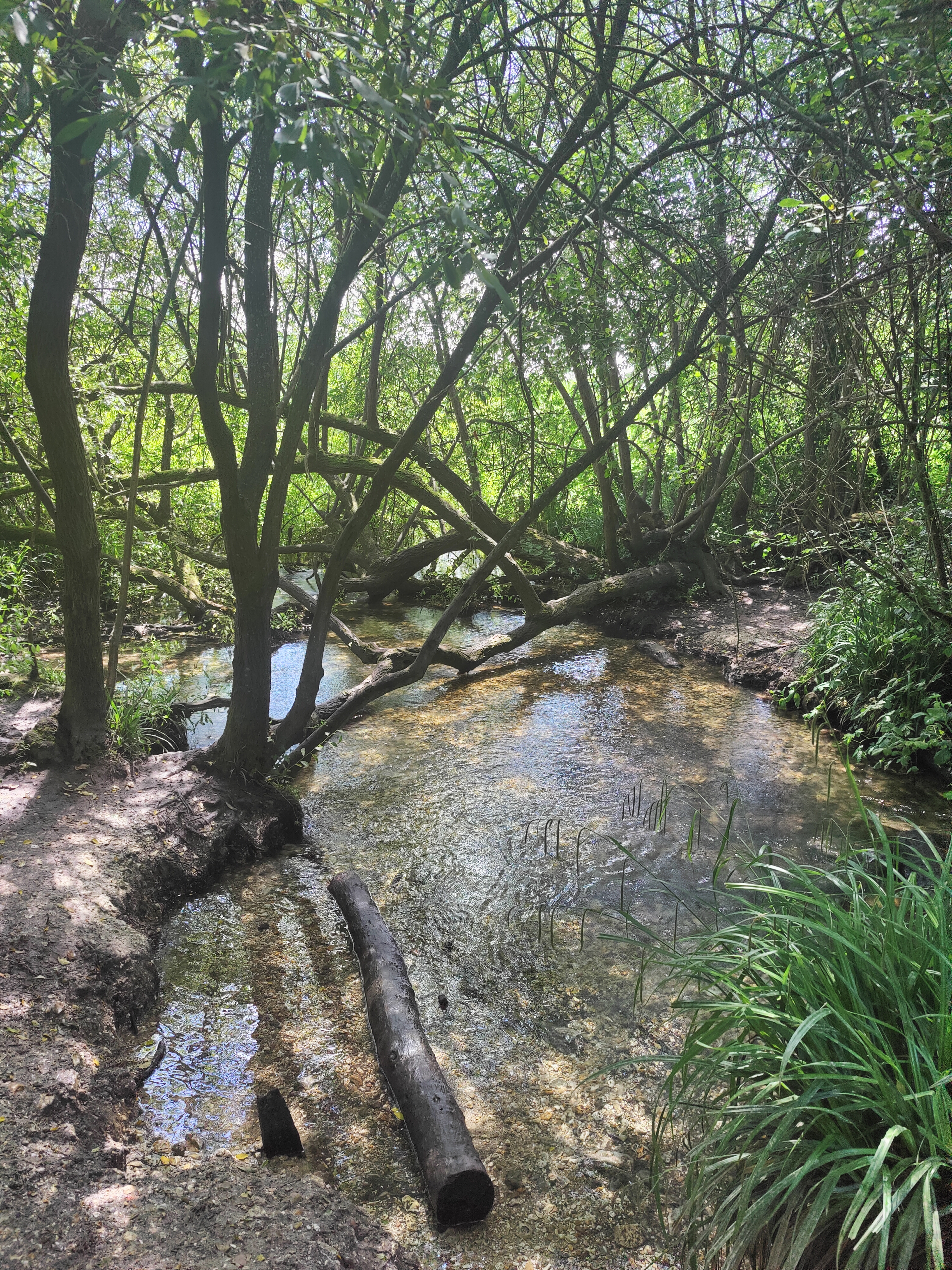
Finally, we come out onto a large field behind St Cross Church and the Hospital of St Cross.
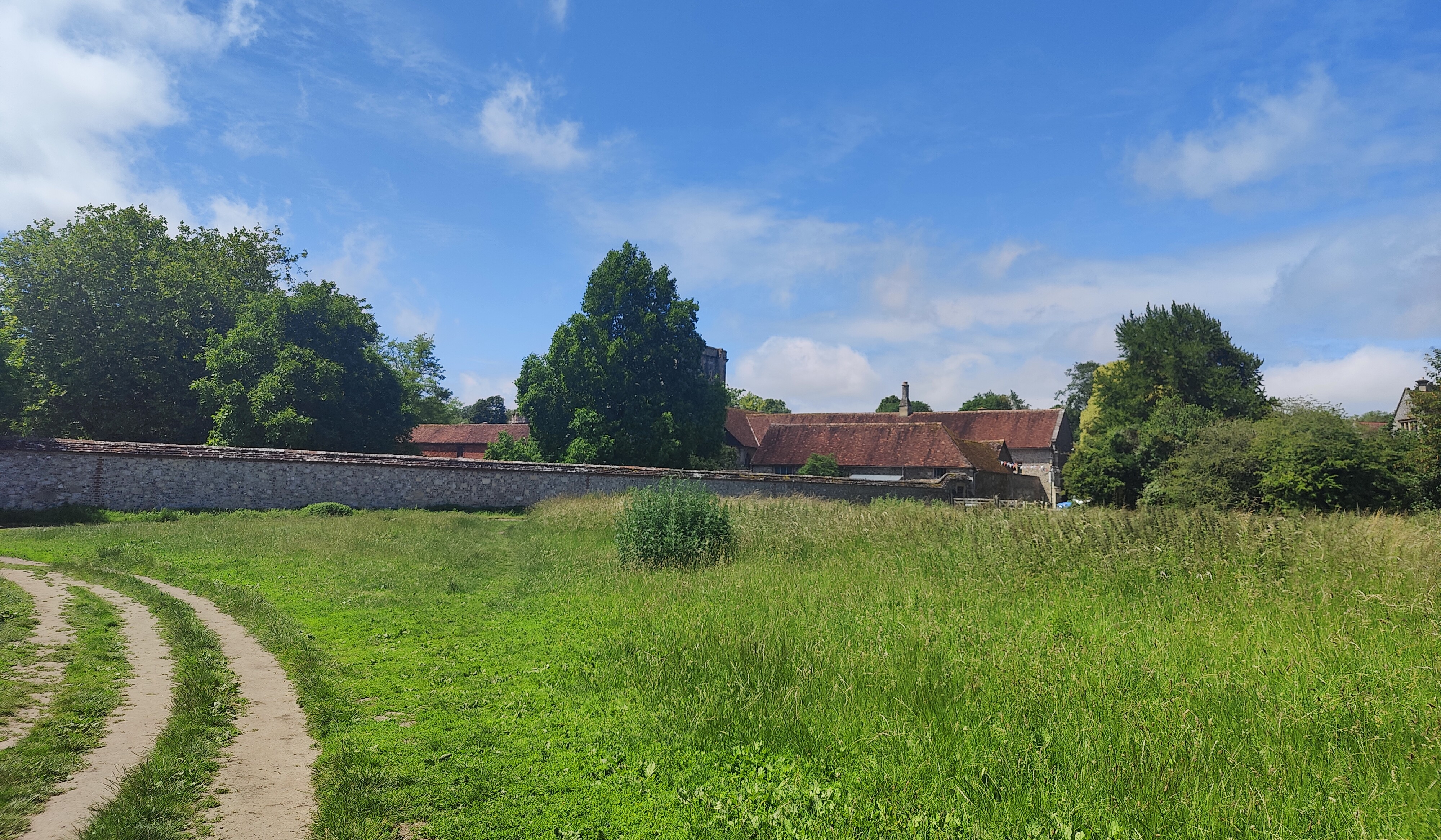
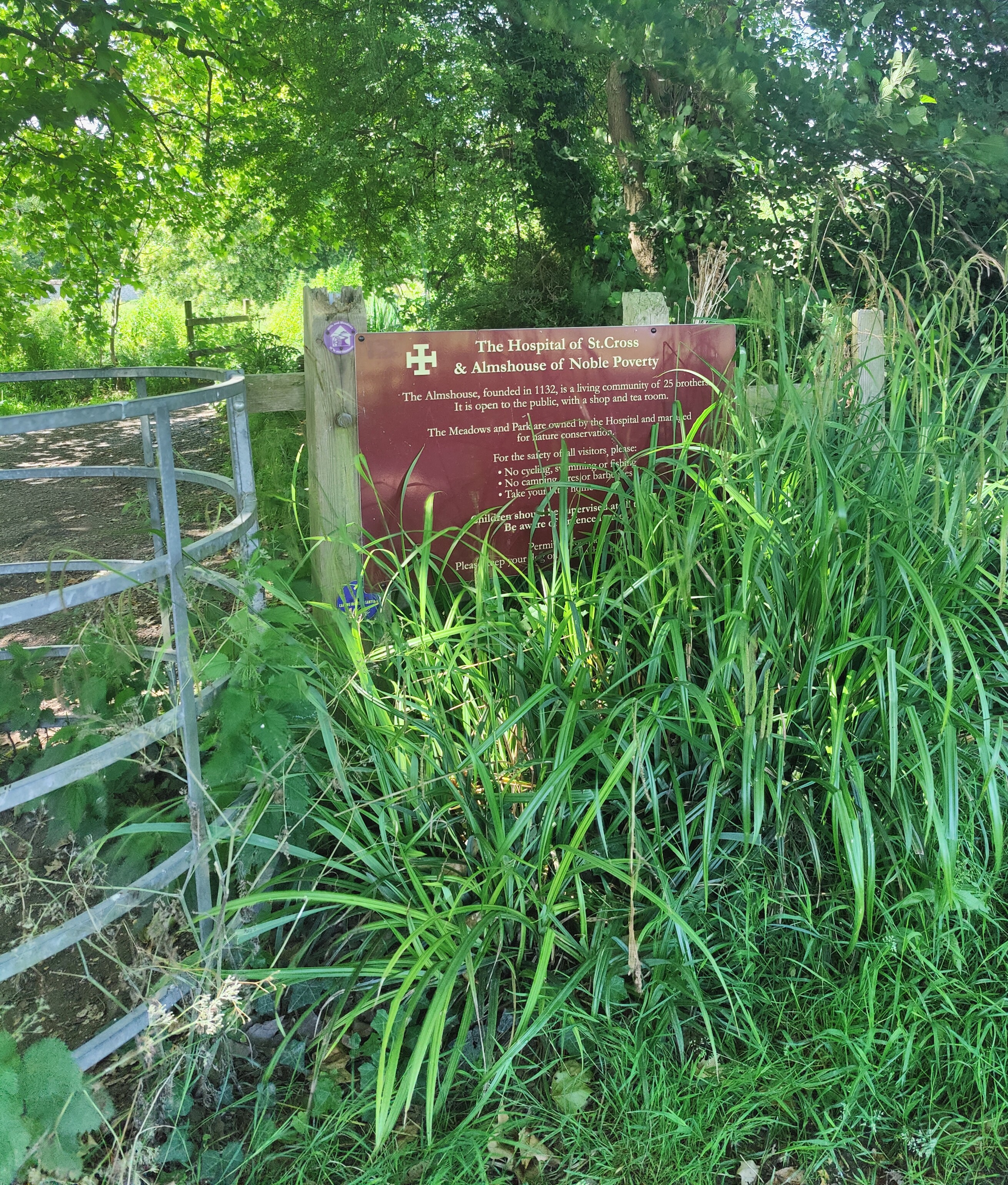
This is one of England’s oldest almshouses, founded in 1132 by the aforementioned Henry de Blois, and is still inhabited by 25 Brothers. There’s a tearoom on site too.
This is pretty much where the official “Keats Walk” finishes. There is a footpath that heads on further, or you can retrace your steps back the way you came. Or do what I did and make your way up St Cross Back Street next to the hospital then back to the city centre via the road.

This was a lovely walk to do at any time of the year, although I’d imagine in winter it might get a little wet underfoot. It’s pretty flat but some parts are uneven. There’s plenty of places to stop off and find out more about Winchester on the way, making it a good way to get to know some of its history if you only have a short time here.
The area has no doubt changed somewhat since Keats’ day. Whether it’s possible to recapture how he felt and the inspiration for his famous poem, I’m not sure. But if you’re in the mood for a walk with some literary highlights, I’d definitely recommend it.
What do you think? Have you ever done Keat’s Walk? Are you familiar with his poetry? Let me know in the comments.


This has become a must walk !!!
Sent from Outlook for Androidhttps://aka.ms/AAb9ysg ________________________________
LikeLiked by 1 person