
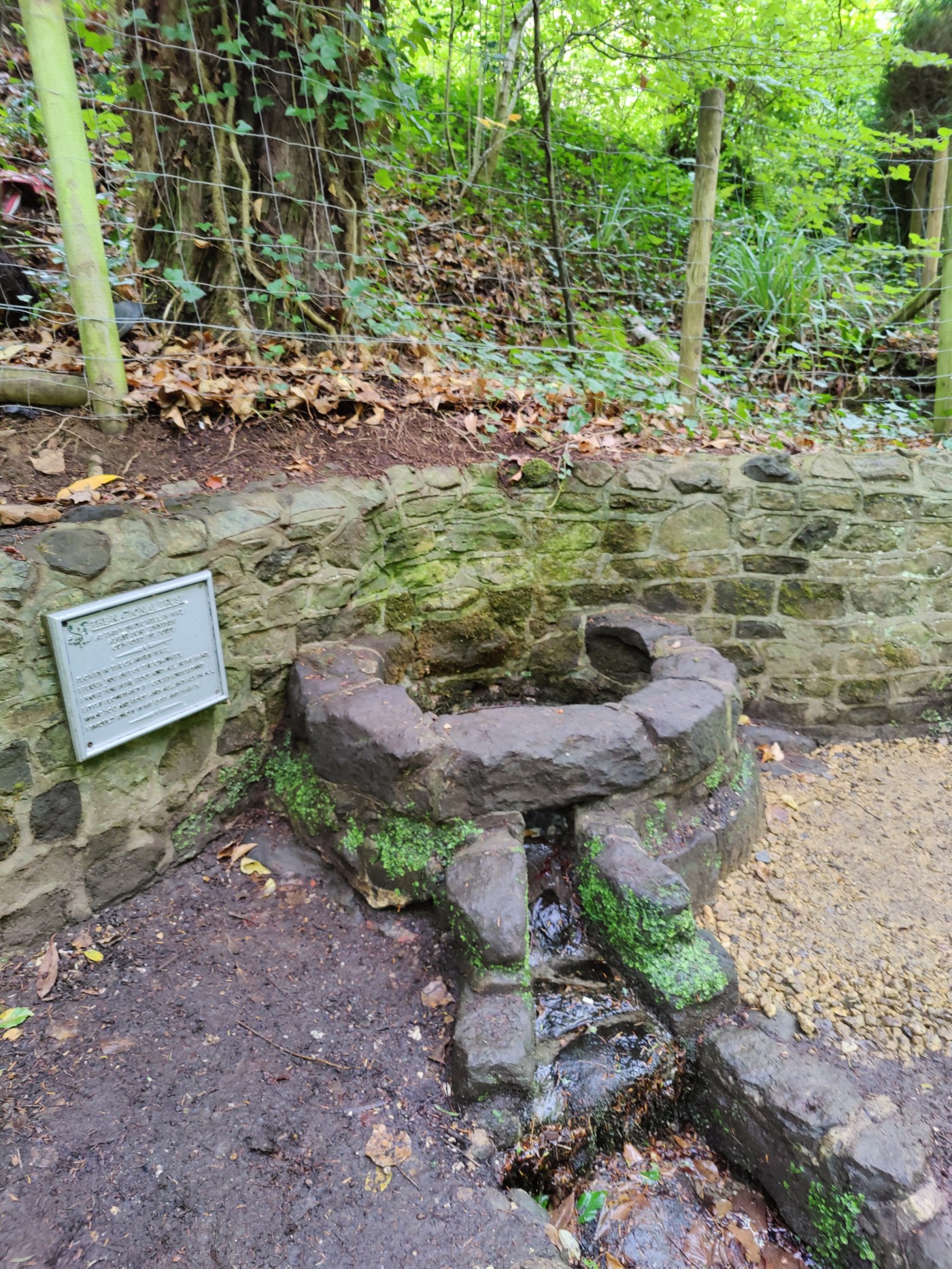
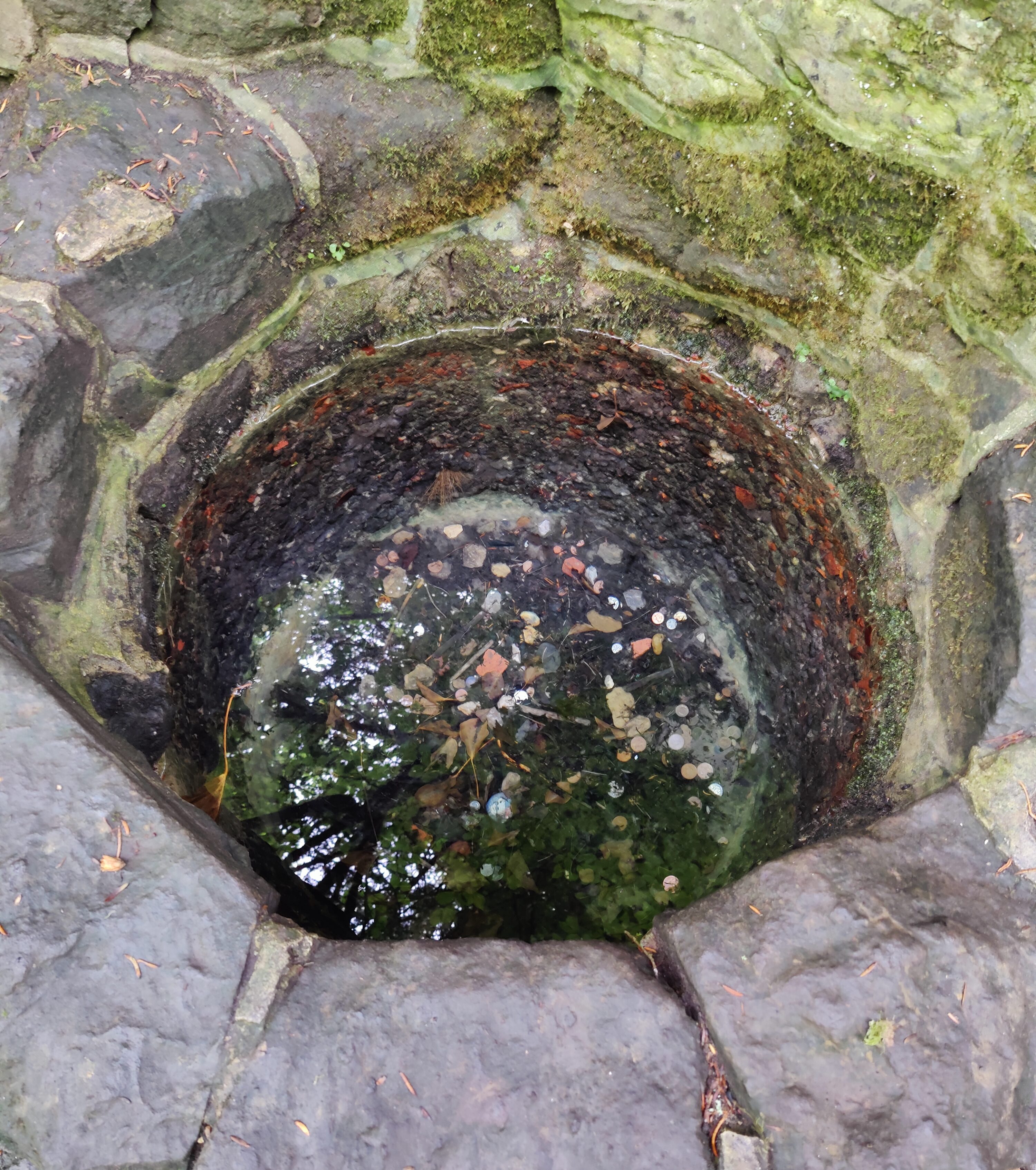
This hidden valley is home to a collection of man-made ponds and a wishing well said to have inspired the great Victorian Poet Laureate, Alfred, Lord Tennyson.
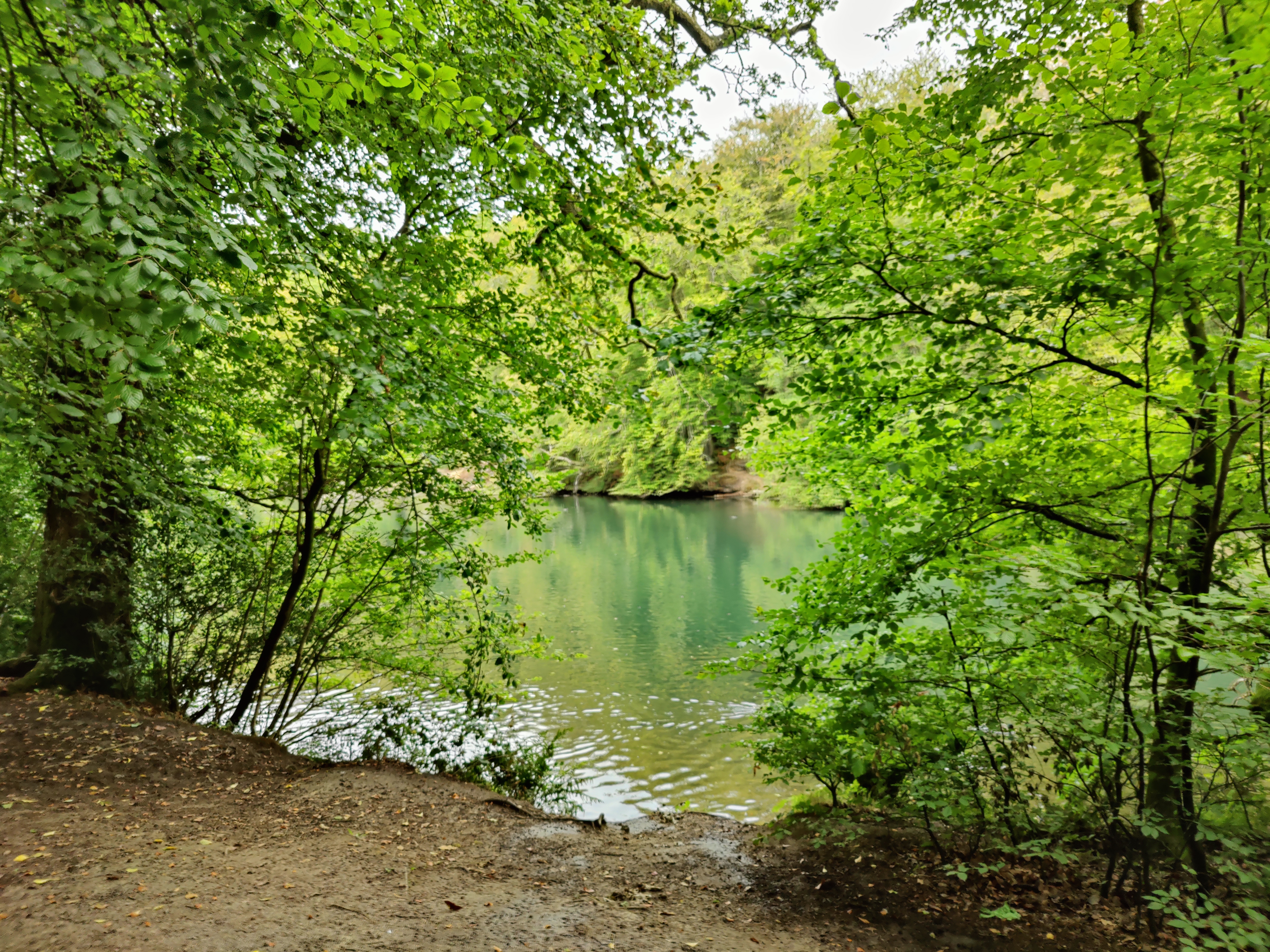
Waggoners Wells as they are now known, were originally created in the 17th century by the Hooke family of Bramshott. It’s thought they were intended to be hammer ponds designed t serve the local iron industry but were never actually used as such and are now a place for dog walkers, fishermen and the odd poet or 70s rock star (I’ll get to that later).
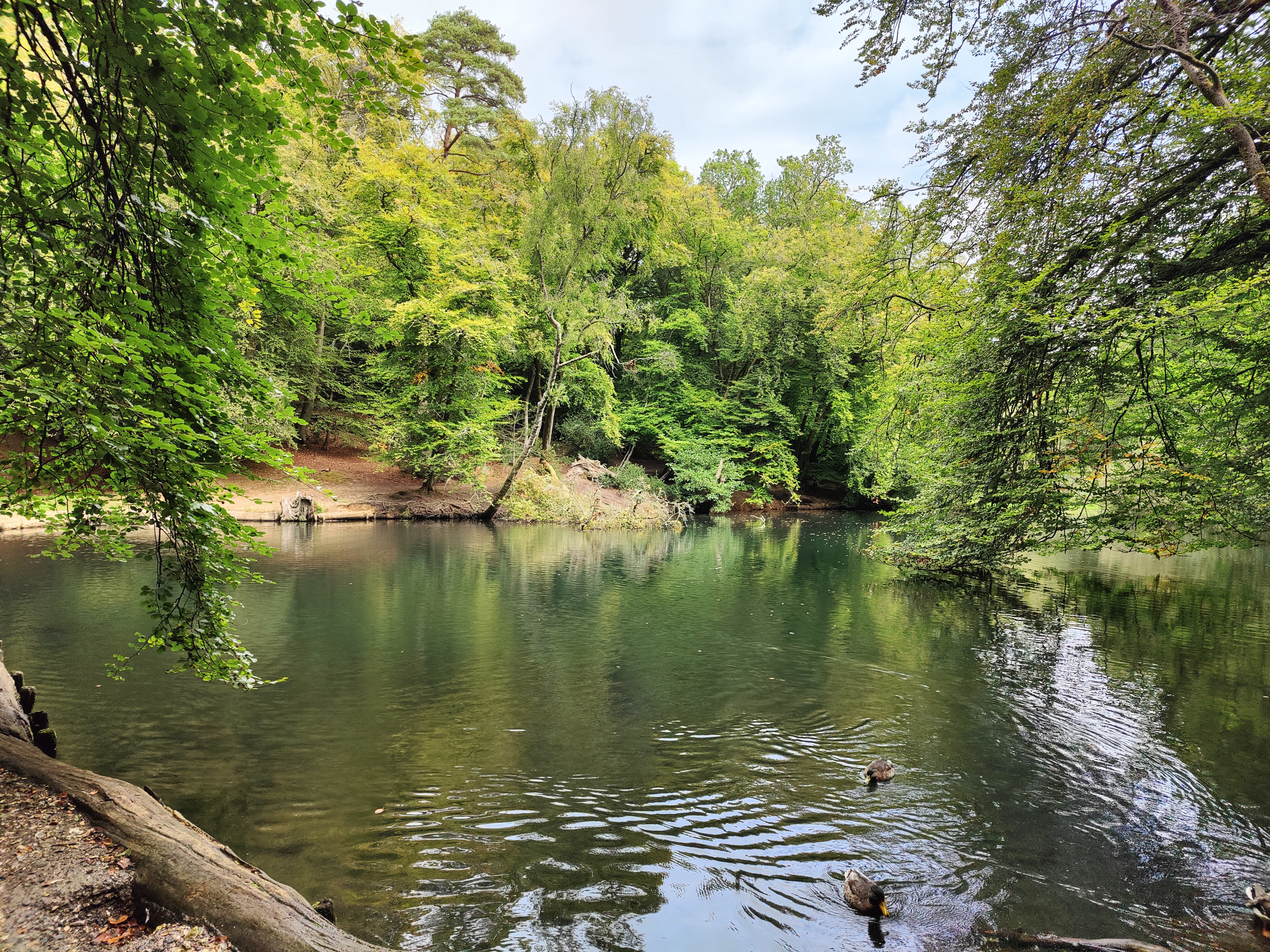
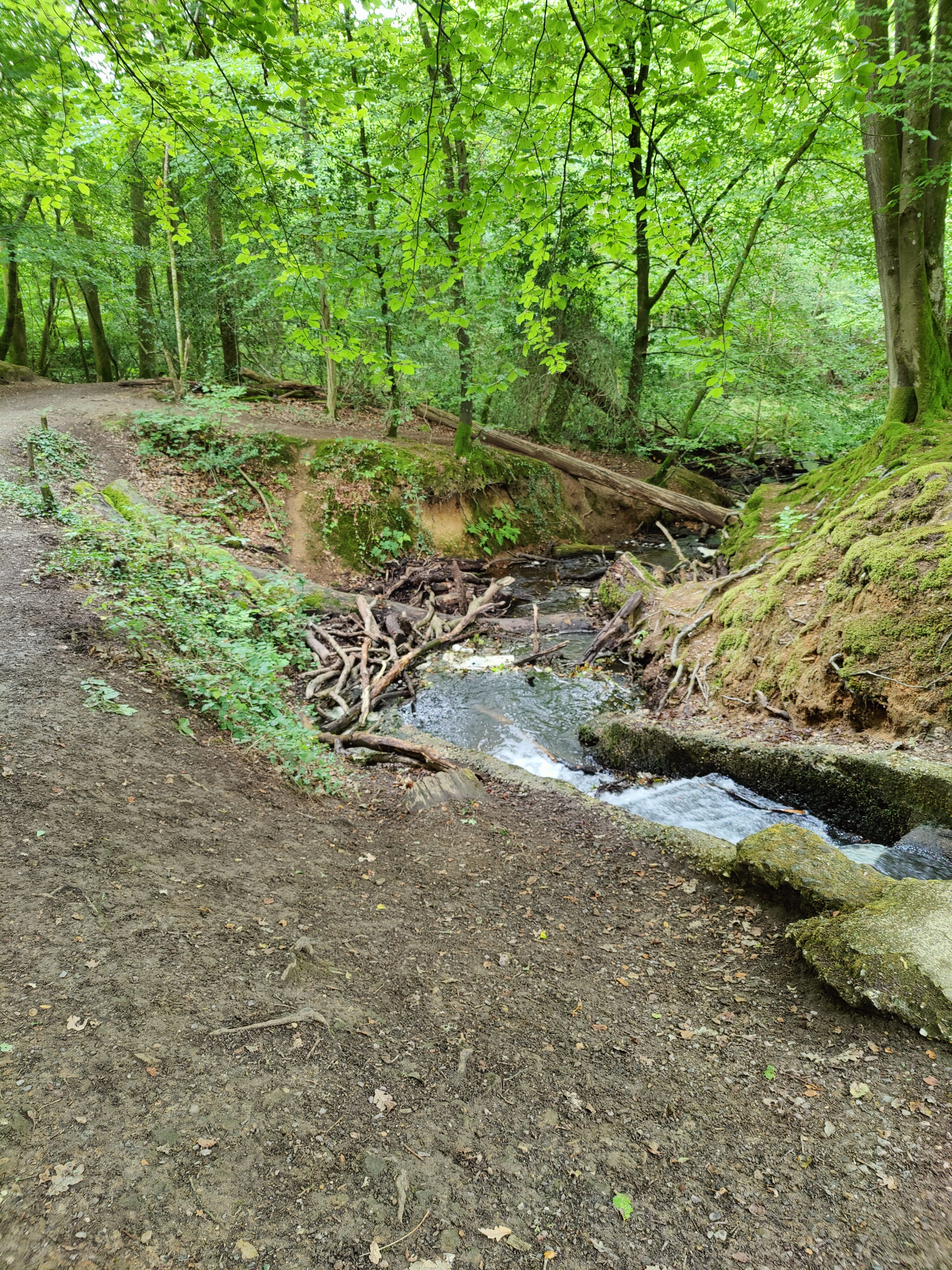
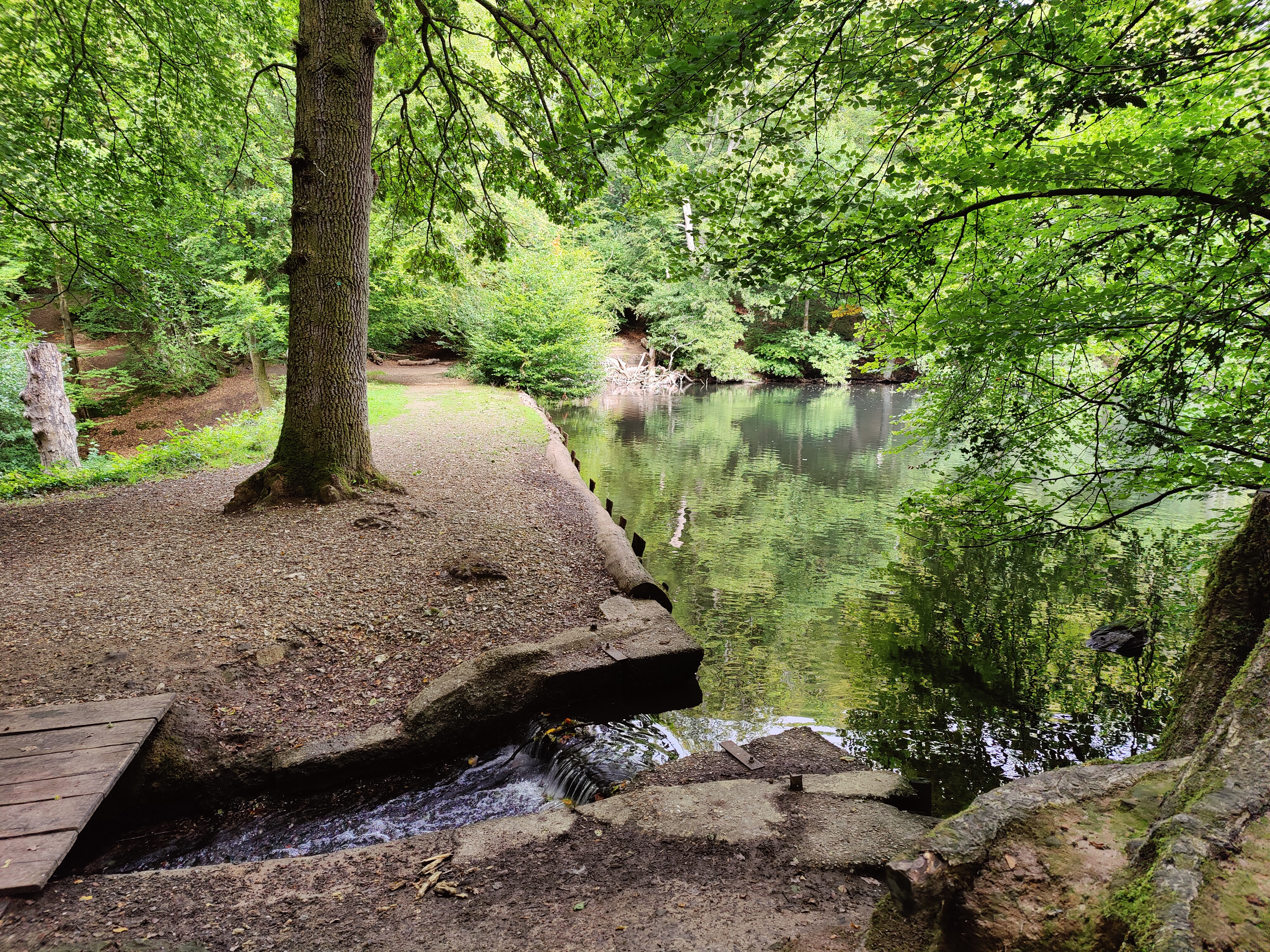
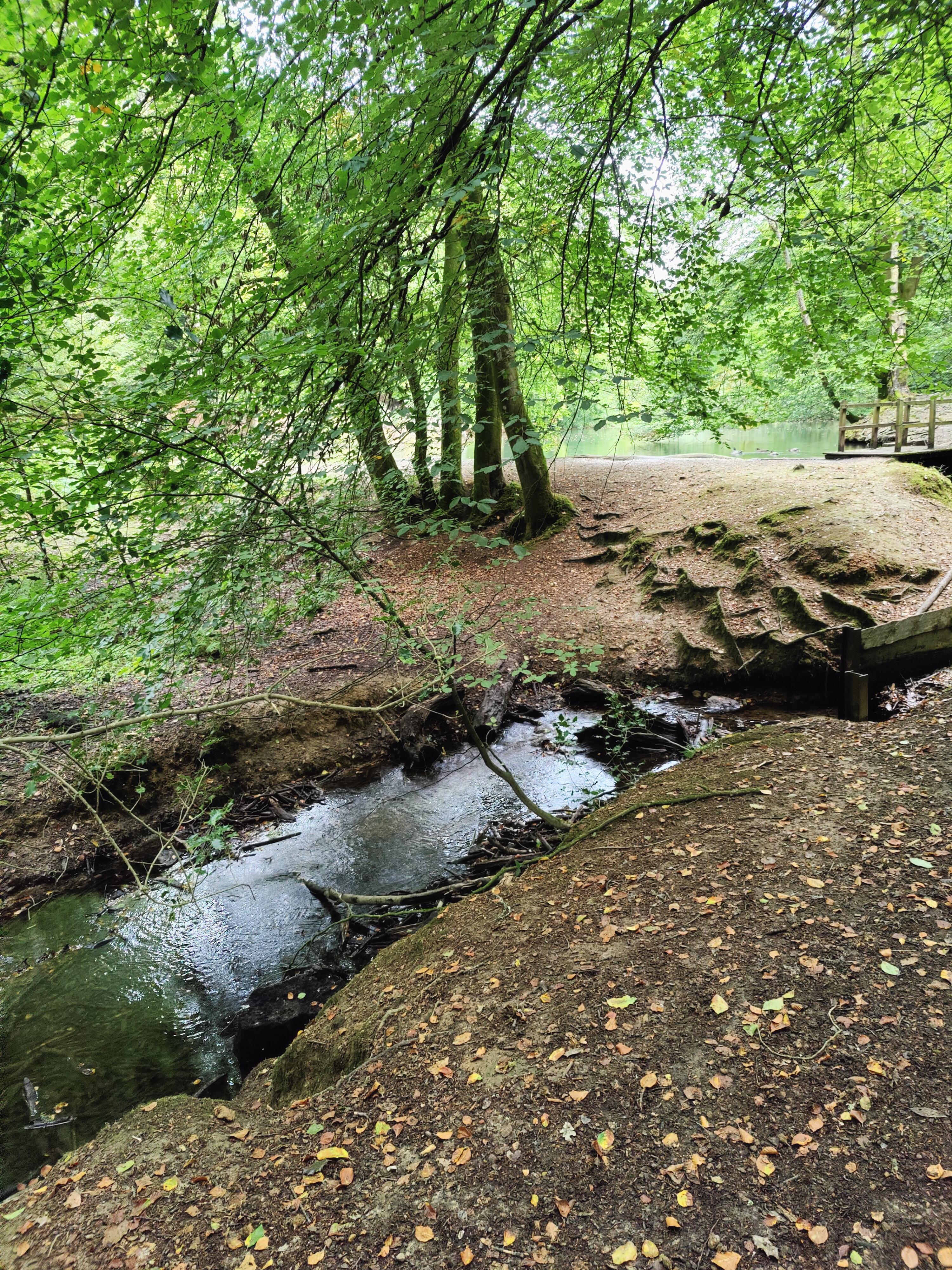
The ponds, now owned by the National Trust, snake their way down the valley, falling into one another via a series of streams.
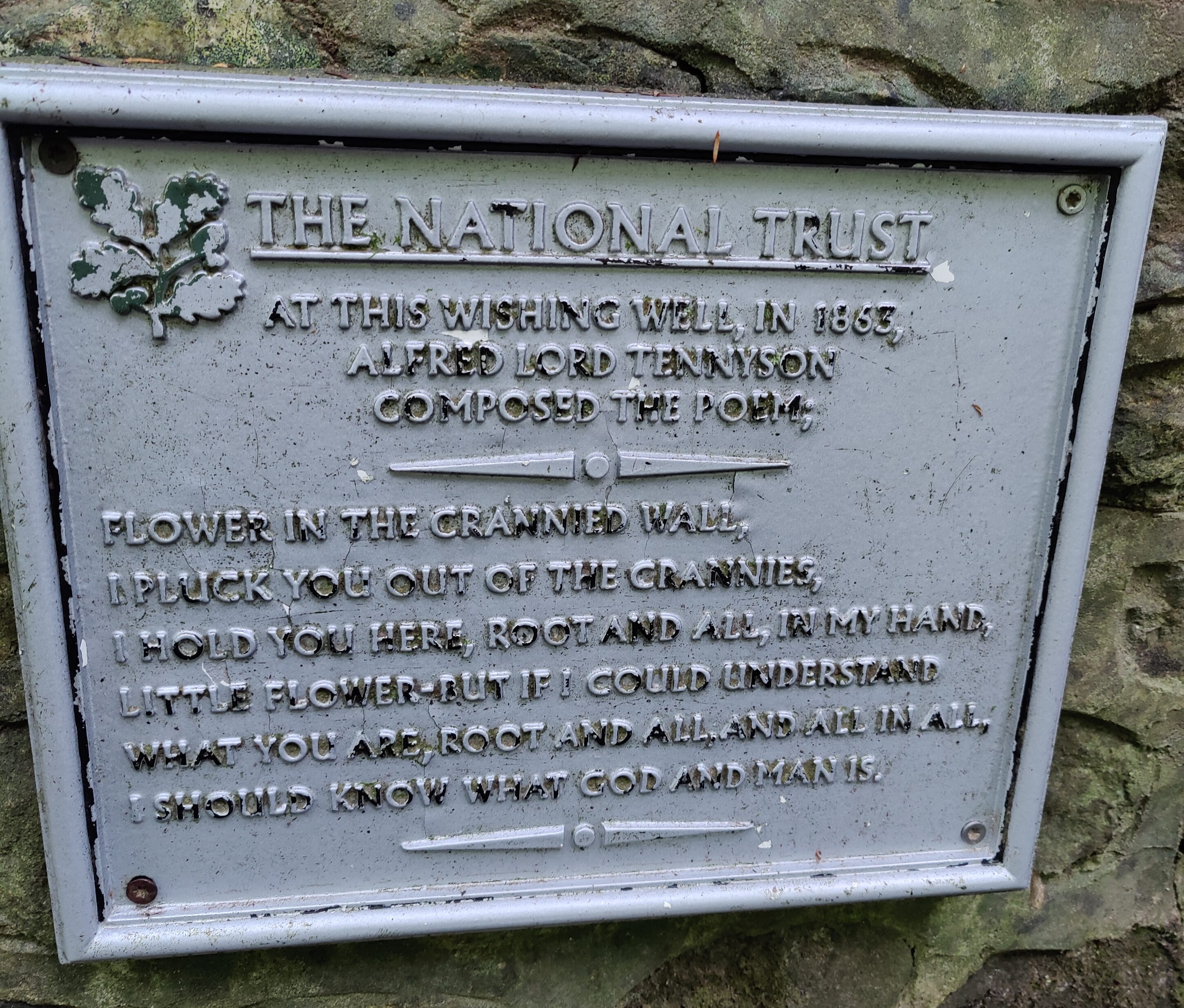
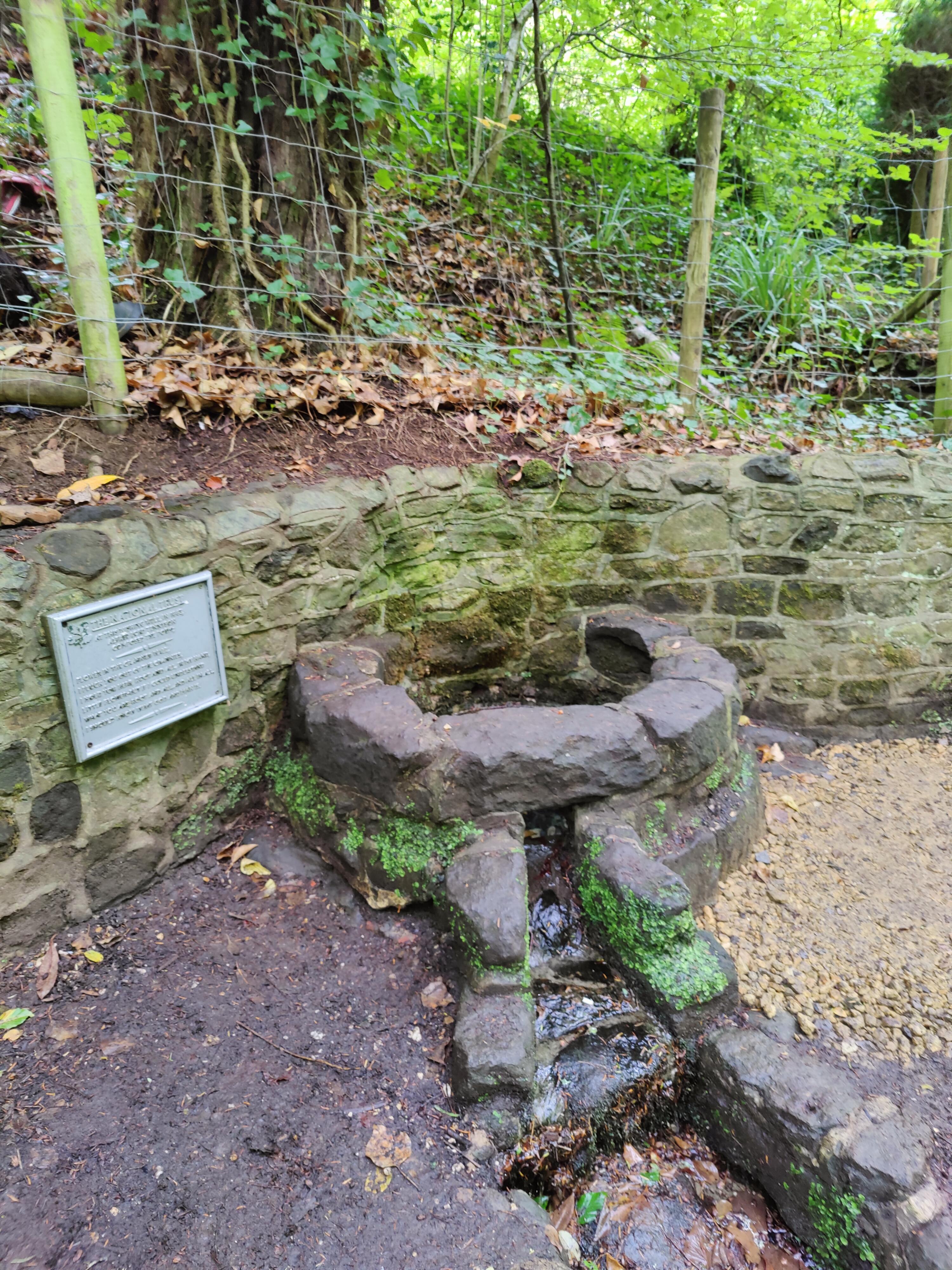
At the far end of the ponds, sits a wishing well with a small plaque next to it, explaining how this place served as inspiration for the then famous Poet Laureate, Lord Tennyson, to write a short poem, Flower in the Crannied Wall.
Flower in the crannied wall,
Flower in the Crannied Wall, Lord Tennyson, 1863
I pluck you out of the crannies,
I hold you here, root and all, in my hand,
Little flower—but if I could understand
What you are, root and all, and all in all,
I should know what God and man is.
The poem uses the image of a flowering plant to explore thoughts on the relationship between God, nature and humanity. The poem is also used on a plaque underneath a statue of Tennyson outside Lincoln cathedral, completed in 1903, where Tennyson is inspecting a small flower he holds in his hand.
Tennyson’s connection to Waggoners Wells started in 1868. At the time he and his family lived on the Isle of Wight where he enjoyed walking on the cliffs high above the sea. Unfortunately, such was his fame as Poet Laureate, he would often find his home swarmed by fans and tourists.
He asked a friend, James Knowles, to build him a house on the Surrey/Sussex border so he could have a home in the countryside with easy access to London. Tennyson spent the last 25 years of his life alternating between this house, known as Aldworth House and the Isle of Wight.
During his time in Surrey, Tennyson wrote a number of fine works inspired by the countryside around him including Queen Mary: A Drama (1875) and The Foresters (1891) and it was here that he died, aged 83 on 6 October 1892.
Waggoners Wells is free to visit and a lovely place for a walk. The wishing well itself is at the far end from the car park. The area is also featured in the writings of Flora Thompson, who wrote the partly autobiographical, Lark Rise to Candleford, inspired by her own experiences of being a postmistress in the nearby village of Grayshott.
Oh and the rock stars I mentioned at the start? Waggoners Wells was also was the location for the internal photo on Fleetwood Mac’s 1973 album, Penguin.
What do you think? Have you ever visited this place? Please share in the comments.
Related reading
If you’re interested in Tennyson, why not start with his selected poems by Penguin Classics? Or perhaps you’d like to try The Legend of King Arthur, which Tennyson completed whilst living in Surrey.
These are affiliate links, which means I may earn a small commission if you buy through them, at no extra cost to you.


Leave a Reply